
by Jackie Houchin
Patriotism
What authors come to your mind as you think of Patriotism? First in my mind are David Baldacci and Tom Clancy for action, suspense, and adventure. I also love David McCullough (1776), and Joseph J. Ellis (Founding Brothers) for making American history come alive. For kids, who could forget Esther Forbes’ Johnny Tremain.
These books make me love my country and stand proud when I hear the national anthem sung or see our flag pass by in a parade.
 When returning home from a recent trip in April and touching down in Washington D.C., the South African pilot announced, “Ladies and Gentlemen, welcome to the United States of America.” I have to admit, I got a lump in my throat and tears welled in my eyes. So often I take the privilege of living in “the States” for granted. So many in the world would change places with me in a heartbeat!
Privilege
Along with all the abundance and freedom we have and love, come the costs. We commemorate some of them each Memorial and Veteran’s Day…. lives and limbs lost by brave young men who freely took up arms to defend our way of life.
The other “cost” of living free is not free at all. Yep, it’s all those income, sales, and property taxes that keep on coming… until we die. (There is even a death tax!) But yeah, you have to admit, highways, police and fire protection, security, courthouses, judges and jails that assure our rights all come at a cost. And we pay it, even if grudgingly, because America is the best place in the world to live.
And where else can we write what we will without fear (as long as it does no harm to others or plagiarizes).
Posterity
Those who follow us; whether our own children and grandchildren, or as writers, our faithful readers. What sense of loyalty and passion are we inspiring in them for our country? Or gratitude for our way of life?
Here’s a challenge. Why not write a short (short) story, article, or poem this week that promotes some good aspect of America. Research a monument, a funny law, one of the Rights, or interview a policeman or fireman for the reason they became what they are.
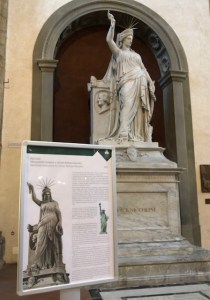 In a church in Florence, Italy, I discovered (along with the burial place of Michelangelo and Marconi) a statue that very well could have been the inspiration for the French gift of the Statue of Liberty. Softer, more feminine, but amazingly similar!
And for a contest, I once wrote a short story about an immigrant man who loved “another woman.” His wife was heartsick as he visited her often and sighed in admiration for her beauty. It was a happy day for her when she discovered her husband’s ‘love’ was “Lady Liberty.”
Peace
Usually, unless you are writing Literary Fiction, your stories will end with some sort of resolution, some sense of justice done or won, and things restored to a peaceable if not perfect situation.
Usually there are many struggles and conflicts that your protagonists must face in your mystery or romance or adventure. Horrible things happen to them (at your hand), but at the end? Law and order reigns, and your readers can sigh in relief. (And maybe write a cool review!) Peace in a story or in a country is worth the struggle.
***
As we celebrate the Fourth of July with fireworks, hot dogs, macaroni salad (Yankee Doodle called that feather in his hat, macaroni after all) and red, white, ‘n blue paper plates, streamers and clothing, remember to look around for possible story ideas or characters who would die for their country … and the villains who will try to make sure they do.
God has blessed America so much! Be a writing patriot.


 My “This” today is a written-versus-spoken mea culpa, and words of encouragement I meant to say in person the first Thursday of this month. There’s a “trying-to-be” startup writing group that is getting together the first Thursday of every month at our local Newberry Family Center. But I didn’t make the last lunch. I wanted to come, and I wanted to offer to the few that might have shown up, encouragement to write, write, write… So, I decided to post my undelivered spoken writing group encouragement thoughts and words here, since I couldn’t make it to that meeting
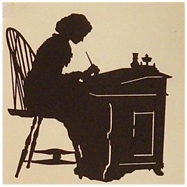 I’m a firm believer that if you aren’t a “pen to paper genius protégé”—which I’m definitely NOT!—you have to make the MISTAKES that make you better: and if you don’t WRITE and REWRITE, you never make those growing mistakes, and consequently, your writing doesn’t improve—and often, doesn’t even get done. You never get that “Great American Novel” out there, or that wonderfully enjoyable cozy series with protagonists you love and hope everyone else will too, or the chronicling of your special hero, or the biography of someone you admire, or your book of poetry, or book of songs, or how to do something you’re good at, or your own memoir… I know, it’s rather trite and obvious words of encouragement—but I don’t think the sentiment can be expressed too often. Write and make those mistakes that move us forward, make us better writers.
 and on—which I wouldn’t have noticed because I liked the character (smile). And there isn’t a lot of thriller/adventure type action throughout the entire book, which didn’t really jump out at me. My editors of course saw these areas for improvement—and in line with my “This” above, pointed out opportunities for me to improve my craft.
 So, here’s the big questions(and my answers) I’m presenting in this post—aimed especially to “in process” authors. Do you want to write? Then doing is the answer, no matter how daunting it might seem. Do you want to be the best author you can be? Then pay attention to areas we can improve for readers to enjoy our work. My thinking is—”writing” is a process, not a done-deal.
 In the case of The Caretakers, I’ve whittled out three pages from the opening, and I think I’ve “livened up” some scenes.

 by Gayle Bartos-Pool
 Polishing the Gem

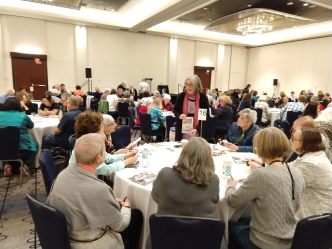 Let me explain what Author Speed Dating is first. In two hours, two authors pitch their works to approximately 144 readers at 18 tables seating 8 people. Each author has 2 minutes to pitch their book/project and then the next author pitches their book for 2 minutes. I partnered with
 After that point I ceded my time to Ann who spoke about her protagonist Inez Stanner traveling from Leadville to San Francisco in the 19th century and then a quick pitch for her friend




 ell, I’ve finished manuscripts for the first two. I’ve also completed initial edits for the first one after I received changes and questions from the editor, and I sent it back this week–and already received the final version back to review. I need to make more


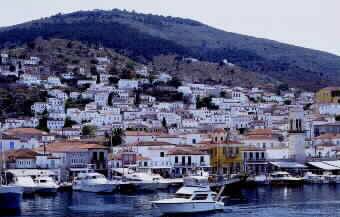 I was recently chatting with my family over coffee in a
 Speaking of imaginations: We went to see the stage version of
 Of course I came back from my travels with more books in my suitcases.


 The 17h century English poet Andrew Marvell wrote the line,
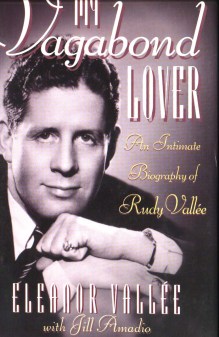 and the discipline is still embedded in my bones, which helps me with setting up and meeting deadlines today, especially for my column in the UK magazine, Mystery People. When I began to write books after settling in America I discovered I need privacy to write my books. Plus perfect silence, a fine view, classical music, and endless cups of tea. I need my files that are always brimming with notes, press clips, drafts, character bios, settings, maps, and travel guides. When I wrote the Rudy Vallee biography I had close to 86 separate folders, one for each year of his life (he died watching television as President Reagan presided over the centennial in New York harbor.
 Like many writers, I jot down notes while travelling or dictate into a digital recorder if I’m visiting settings in my books, luckily all local so far. I also love eavesdropping. Restaurants and airport terminals are great places for this. But for writing crime-ridden scenes no other place beats sitting in front of my laptop at home.
 Last year I picked up Catriona McPherson at the Orange County airport. She was the main speaker at a conference. When I arrived she was sitting on a bench in baggage claim tapping merrily away upon her computer, oblivious to the crowds coming and going. A few days later we were early for her return flight. I went into the café for some tea. When I brought it over to her, there she was again, still tapping away.

 In the spring of 2018, I organized a volunteer program at a local high school. Together with three other writers, we mentor students in a
 Each time we begin a new round of submissions, we, too anxiously await the material, hoping to find both familiar names and new ones. Having worked with the class for over a year, including several students who’ve been in the program since it began, I’m delighted to see a steady improvement in their work.
 (Student), I am stopping my critique here, since this is where your words end and the essay you copied and pasted from (organization’s website) begins. What continues below is called plagiarism – taking someone else’s work and passing it off as your own. Aside from being illegal and dishonorable, you’ve weakened your message.

 On a recent short-term mission trip to Malawi for my church, I had the opportunity to teach Writing classes to two groups of home schooled MKs (Missionary Kids). These were children from American, Canadian and South African families. There were nine in the 3rd-4th grade group and seven in the 5th grade and up group.
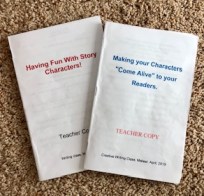 After reviewing the stories and talking to the other home school teachers, we all agreed that the kids needed help in character development. The action was amazing; the worlds they created were vivid, but the heroes, helpers, and villains were flat and hard to imagine.
 Before I arrived I asked that the kids (both classes) bring the first several paragraphs of a story they had written to class. In class, I had them each read their paragraphs aloud. There were Captain Jack, Commander of a Starship, twin girls named Peace and Harmony, and a 20-year old girl named Ella who wanted to become a princess (and a dozen others).
 For the younger class, I had them draw in their workbooks a circle for a face, then slowly add features (eyes, nose, mouth, ears, hair) and write a description of each as they went. Next they drew bodies with any kinds of clothes and shoes (or not) they wished. I had them write why these “characters” were smiling, wearing… glasses, a soccer jersey, a swim suit, a long dress, a tutu, and had on sandals or swim fins. They began to see how to show what their story characters looked like by writing descriptions, and in the process developed more interesting information about them. (I could see “light” dawning in their eyes!)
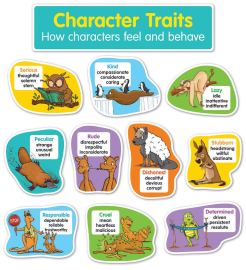 Next, we had fun with thirty-six
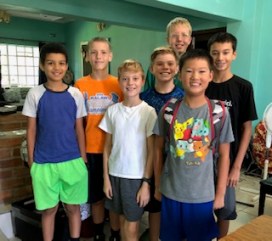 For the older class (all boys, and most writing sci-fi or fantasy) we delved a bit deeper into making their characters memorable by using various ways to describe physical as well as personality traits. They practiced describing a character in an action scene (showing fear or bravery without actually using those words) and played around with using an occasional quirk, flaw, or unconscious mannerism to reveal hidden traits.




You must be logged in to post a comment.