Snail Mail and Literary Correspondence

It was a shock. How could they?

I’m talking about Denmark’s announcement to discontinue its PostNord postal service as of January 1, 2026 (after 400 years of continual service) and to remove all its 1,500 letterboxes.

Think of that!  No friendly postmen. No possibility of letters from family. Or Christmas greetings.  Or bills and solicitations. (Well, I wouldn’t miss those!)

Maybe not having snail mail wouldn’t bother you.  (Tell me how you feel in a comment.)

And yes, yes. I know about email! I use it. But it’s not thick envelopes, colorful stamps, and paper “delight” in your hand.


Anyway…

This news made me aware of a writing phenomenon that has begun in earnest this year. If you are on Facebook at all, you will have noticed.  It is the many opportunities we have to sign up for story-letters: snail-mail fiction divvied out twice a month for a fee.

A while ago, I interviewed the creator of “Letters from Afar,” Shawnee Mills. She researches (and sometimes visits) places around the world. Her fictional character tells readers about them in letters.  She sends field notes, a map showing its location on the globe, and a “find me” game where she hides objects in her hand-painted illustrations.     The Afar article. 

Shortly after the “Afar” letters, I signed up for the “Flower letters,” where an actual story – romantic/adventure/mystery – was told through correspondence (and inserts and artifacts).

But now. Wow!  In a short time, I discovered a baker’s dozen opportunities for you to receive bi-weekly story letters via snail mail.  I’ve listed some. You can find them on Facebook by typing the titles into the search bar.


  1. The Moonlit Letters – a cozy mystery where a young woman inherits her grandma’s cottage on Ocracoke Island and discovers/solves a mystery. Postcards, recipes, and a map are included.
  2. The Lost Letters Society – four choices of historical-fiction war correspondence, most including romance.  Authentic-looking letters.
  3. Letters by Lanternlight – a choice of three small town cozy whodunnits (all include a cat)
  4. Storyville Letters – mystery, romance, adventure. Two choices: one is from the 1920’s, the other is 1874, Victorian London. The creator of these is a filmmaker, so they are bound to be atmospheric.
  5. P.S. (PostScript) Letters – These are original historical fiction, in “the imagined voice” of women you may know. Not biographies, just private, human letters. You will read letters by Emily Dickinson, Jane Austin, Helen Keller, Amelia Earhart, Eleanor Roosevelt, etc.
  6. Letter Joy – letters for history buffs. Produced by the same people that create the PS Letters. You’ll read everyday correspondence from authors like  Fyodor Dostoevsky, Arthur Conan Doyle, Mark Twain, etc.
  7. Epistolary – “Letters, Lattes, and Lies,” a cozy mystery told in letters of observations and evidence by a retired librarian, to a reclusive homicide detective.
  8. The Heart Letters – a more serious “novel” told in letters.  The creator calls this 24-letter series “therapy through storytelling.” It is designed as “a gift experience for women navigating transition, healing, heartbreak, empty nest, divorce, or loss.”
  9. The Romantasy Letters – Bold, daring, fiery, spicy, romantic fantasy with passion, intrigue, and magic. (Not my cup of tea.)
  10. The Titanic Letters – Passengers tell their secrets in correspondence. “An illicit affair and a gripping mystery.”  The creator rates the letters PG-13.
  11. The Asylum Letters – psychological suspense set in the Danvers Asylum in 1926: a secret correspondence between a female inmate with amnesia and a new doctor. By the creator of #10,  rated PG-13.
  12. The Salem Letters – correspondence by an herbalist held in prison for the witch trials. Dark mystery/romance. Rated PG-13.
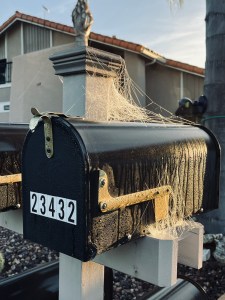
  13. Scaremail – a “terrifying, unfolding horror saga told through personal correspondence between characters.  (The ocre envelopes are splotched with black dripping stuff!  EEEEKKK!)

And there are more of these letter-stories available, like:  The Max Letters, Writings from the Wild (animals), and  The Cozy Letter Club (a farmyard mystery) for kids.  (There are also fictional Pen Pal stories to interact with.)

Most of the serialized stories span 12 months of biweekly letters and cost $99-$149.  It’s a bit expensive, but it’s fun to find them in your mailbox!

There is a series I didn’t mention above, because it was only available briefly. It is Mysteries in the Mail, written by mystery writer Sara Rossett.  I signed up for the series and have received 3 letters so far.  It’s different in that the “letters” seem like chapters in a cozy mystery book written in 1st-person POV.  There are some lovely hand-drawn, colored illustrations among the text, but no other inserts.

Have YOU ever done or thought of writing and mailing serialized fiction? It would mean some creativity, a bit of postage, and of course a mailing list – but some of YOU have that already.  What do you say?

Now is the time to jump on the bandwagon, especially if you have something unique. Any of the writers on this Writers in Residence blog could do what Sara Rossett has done.

And, who knows when the US Postal Service may discontinue!!!  Yikes!

But… if you don’t want to go through all the rigamarole of sending out prescribed letters, you can always do what these authors have done.  Write your story in a series of letters.  It’s called an Epistolary Novel.

Lee Smith did it with “Fair and Tender Ladies.” Helen Hanff did it with “84, Charing Cross Road.”  Annie Barrows wrote “The Guernsey Literary and Potato Peel Pie Society.”  And one more by Virginia Even, the new, highly touted “The Correspondent.”  Go for it, girls!  (And guys.)

.

Me?   I’ve written (and illustrated) several serialized letter stories in the past. They are fun. I wrote mysteries for each of my three elementary-aged granddaughters via letters in snail mail.

I also wrote a series of twelve letter-stories for the same-age kids at our church, about life in Africa. (These were actually email story-letters.)

If I can do it, so can you.  Why not give it a try… while you still have time….  AND MAILBOXES!!!
My Reading Life: Finding Comfort in Uncomfortable Times

By Maggie King

Do you ever need a respite from the news of the world? Or maybe a respite from personal concerns? In recent months I’ve found solace in what I call “comfort” reading. I stumbled across Jen’s Reading Life on YouTube. Jen describes herself as “A 50+ Booktuber sharing my love for timeless literature, cozy mysteries, British women’s fiction, and comfort reads that warm the soul.”

Exactly what I needed. On Jen’s recommendation, I enjoyed Enchanted April by Elizabeth von Arnim, Miss Buncle’s Book by D.E. Stevenson, Spam Tomorrow by Verily Anderson, and 84, Charing Cross Road by Helene Hanff. Jen describes each book she reviews as “lovely and charming” (Jen herself is lovely and charming!).

The following may, or may not, be on Jen’s lists–she has a lot of lists.

For cozy mysteries, I’ve discovered Betty Hechtman’s crochet series.

The Gentle Art of Swedish Death Cleaning by Margareta Magnusson focuses on decluttering–during your lifetime. It is an ongoing activity in my house.

The satirical Lula Dean’s Little Library of Banned Books by Kirsten Miller addresses today’s controversial issues, but in a highly entertaining way.

I loved Bonnie Schroeder’s Write My Name on the Sky. Bonnie was featured guest for my holiday newsletter.

I tried to read Christmas stories, but couldn’t find one that held my interest. Exception was “The Adventure of the Christmas Pudding” by Agatha Christie. The Killer Wore Cranberry is a Thanksgiving-themed mystery anthology featuring a variety of tales.

I still return to the “dark side.” ellegal treasures by C.V. Alba and The Pilgrim by Thomas A. Burns, Jr. are hard-boiled tales that offer little in the way of comfort but much in the way of great stories. They do have happy endings, so there’s that.

If you’re in need of some comfort reading, I suggest visiting Jen’s Reading Life, and reading Tolstoy Therapy’s article “16 of the most wholesome comfort reads for a hug from a book.”

An added benefit: all this comfort reading is making writing more comfortable for me!

Tell us what you’re reading and recommending. Let’s keep those TBT lists toppling over!

Always Ask Yourself – A 3 Part Series

By Gayle Bartos-Pool

The writing class I teach might be based on Aristotle’s Sage Words from his classic work, The Poetics, but I do add my own thoughts. The main one is a simple reminder. I hand out a 5 x 5 inch card that reads:

Always Ask Yourself:

Does it Advance the story?

Does it Enhance the story?

Is it Redundant?

The first point is actually something new writers don’t see until it’s pointed out by their editor or their friends or writing group that gets a chance to read an early draft of the story. It might be the result of the writer trying to beef up the number of pages in the book so it looks like a novel and not a short story. Actually, several good short stories can be published in a collection if the writer has a bunch of those shorter works. Nothing wrong with that. I’ve published several myself.

But if the writer wants to turn out a novel, those sections that just take up space don’t help the story. In fact, they slow it down because the reader starts wondering what is the point of the book if it’s full of stuff that doesn’t add anything to the plot except pages.

Whether it’s a mystery, thriller, adventure or romance novel be sure to have each section add something important to the story. Every Murder: She Wrote episode has a part in the beginning where characters are introduced but there is always that one thing that happens or is said or is pointed out in those first ten minutes of the show that points to the killer. Good ol’ Jessica Fletcher doesn’t recognize it then because the murder hasn’t happened, but she sees the light in those last few minutes of the show when she puts all those earlier pieces together. But the clue was there.

So, when you’re writing those scenes in your book make sure the scene is relevant. Maybe it introduces a few characters, one of whom might be the killer in a mystery or the new man in the leading lady’s life. Each subsequent scene or chapter can add a few new details or roadblocks to solving the murder or finding the love of the gal’s life. But a gaggle of gals in a tearoom or a bunch of boys at a neighborhood bar talking about a new dress shop in town or a bargain at the local hardware store might not add anything to the underlying story.

If the ladies talk about a gal in town who seems to frequent a certain divorce lawyer’s office a little too often or the guys mention a neighbor who seems to have come into a little extra money right after a bank robbery, then there’s a reason for the scene. But I have read books where there are scenes that provided nothing to the book at all. Personally, I never make a point of trying to figure out the killer ahead of time in a mystery, but I do like to keep track of the characters so I can make sure the clues were given even if I didn’t figure out “whodunnit” by chapter five. I just like to make sure the plot makes sense and the clues were really there.

I recently read a book by a famous author who writes an equally famous series. Names won’t be mentioned just to be nice, but this particular book had so many characters I needed a scorecard to keep track of them. To top it off, three people had contact with the deceased. One pushed him down a hill and thought they killed him. One actually killed him. One moved the dead body thinking that would protect who he thought did the deed. None of these people knew about the others. I thought yet another person, a woman, had done the deed. She didn’t though she had good reason to bump off the bum. Several others had a motive and might as well have done it since nobody liked the dead guy in the first place. The killer basically got away with it, not that nobody discovered the actual facts, but the killer was mentally challenged and he needed hospital care not a jail cell…

Overall, I was disappointed that the plot was so bloody confusing with way too many suspects and some other stuff packed into the plot that really didn’t add to the story at all. Did they advance the story…No. And they lowered the likability of the main character as well.

In Aristotle’s Poetics he listed the “Five Basic Elements of a Story.” Those Elements are Plot, Character, Dialogue, Setting and the Meaning of the story. I’ve discussed this in previous blog posts. Aristotle wants you to make sure you have some good characters in your story. I added my own requirement to the “character” qualifications. I want there to be at least one character you’d want to invite into your own house. This “famous writer” didn’t have a single character I’d invite over for a beer…Not even the hero.

Others may see the book in an entirely different light and like it. I will still write my books with a bunch of characters that most people would invite into their homes. I want those characters to have values and standards, but with some of the things I see on television I’m afraid a lot of those standards have disappeared. I’ll still craft my heroes with the standards I grew up with. I’ll continue subtly passing them along to readers through my stories because I learned things by reading good books, watching good movies, and a bunch of the old television shows that had those same standards.

As my characters learn things through various encounters at the beginning and the middle of my books they can solve the crime or make it to the destination they are seeking and the readers can enjoy following that journey because I kept advancing the story chapter by chapter because that’s the goal of a writer: Get the reader to the end of the book…and look forward to reading the next one.

So, this is part one of a three part series. See you later for part two. Write On!

Yes, It’s 2026! And…

by Linda O. Johnston

            I hadn’t initially realized it, though I was sent the Writers in Residence calendar by our member Jackie Houchin. But this is the first WinR post of this year! 

I get to introduce all of you to Writers in Residence 2026 and what our group is up to. Well, at least what I’m up to. Our other members will have to fill you in during their posts. 

Me? Well, unsurprisingly, I’m writing. Even more slowly now, thanks to my broken wrist, but I have stories I’m under contract for and others swirling around in my mind. That’s my usual, and I’m working on them. 

Plus, I’m having fun with my dogs—and my husband too. For one thing, we have some travel plans, though the dogs will be spending time with some special sitters rather than coming along. I’ll miss them—but will be having fun since some of the trips will involve other family members too.  

Did I make any New Year’s resolutions? Only indirectly involving writing and healing and such—nothing exciting. 

But how about you? If you’re a writer, how has your new year started? What writing are you working on or planning? And, writer, reader, or whoever you are, are you planning any trips? If so, using them for research? Yes, I’ll be doing that on my travels. And the first thing in the year is a good time to think about that, including anything besides writing you want to achieve this year.  

Are you starting this year in any different manner than in other years? Do you usually plan things, including your writing? If so, do you generally stick to your plans? 

Will you have any books published this year? I will, but fewer and later than I most often do. 

Will you be reading books? I definitely will, and have some themes in mind to look for. Dogs always work for me, but other topics too, including romance, mystery, and more. 

In any case, I hope you all have a wonderful 2026.

Write in the New!

What are YOUR writing plans, ambitions, and hopes for 2026? 

Will you finish that book manuscript or begin a new one?  Will you submit a short story (or two) to a contest?  How about brainstorming a month’s worth of blog posts? Or will you finally write that book review for your favorite author’s new (or almost new) novel?  If you’re really stuck, go to one of those online sites that have hundreds of daily, seasonal, or holiday lists of prompts, and free write for 10 minutes several times throughout the day.

Whatever and whenever, in 2026, get to writing!  (And I’m talking to myself here too!)

Happy New Year!

Merry Christmas

from Gayle Bartos-Pool

The holidays come fast. School gets back in session in September, then it’s Halloween and then Thanksgiving. We all see Christmas decorations pop up in stores along with the ghosts and goblins and before you know it…It’s Christmas.

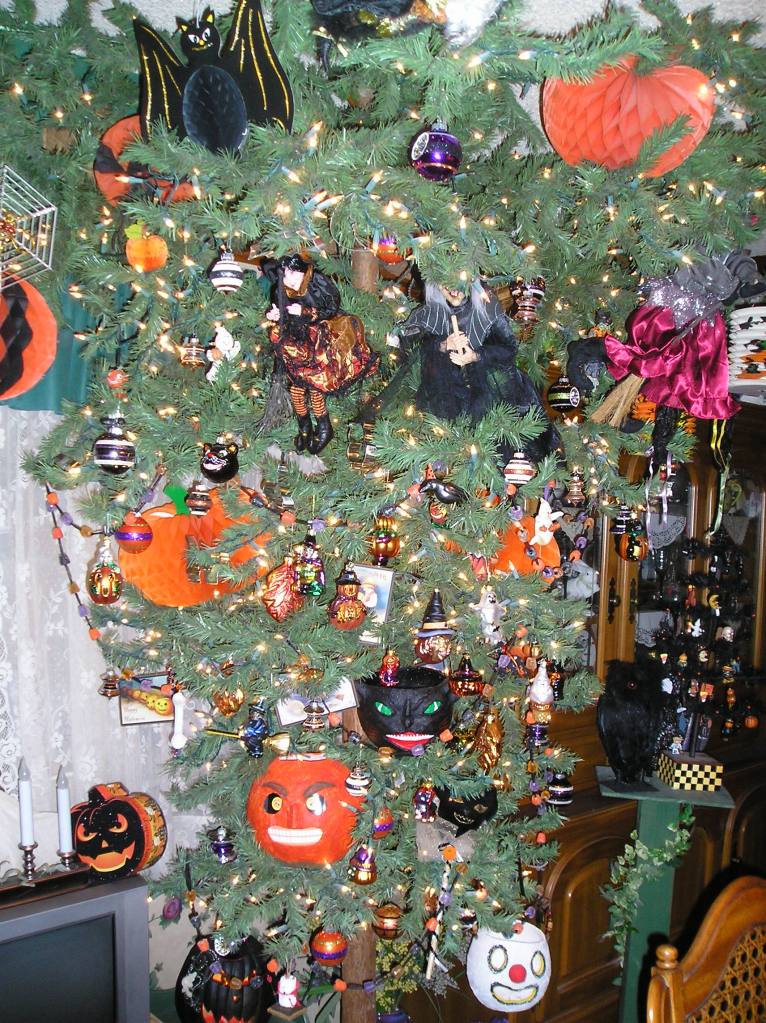
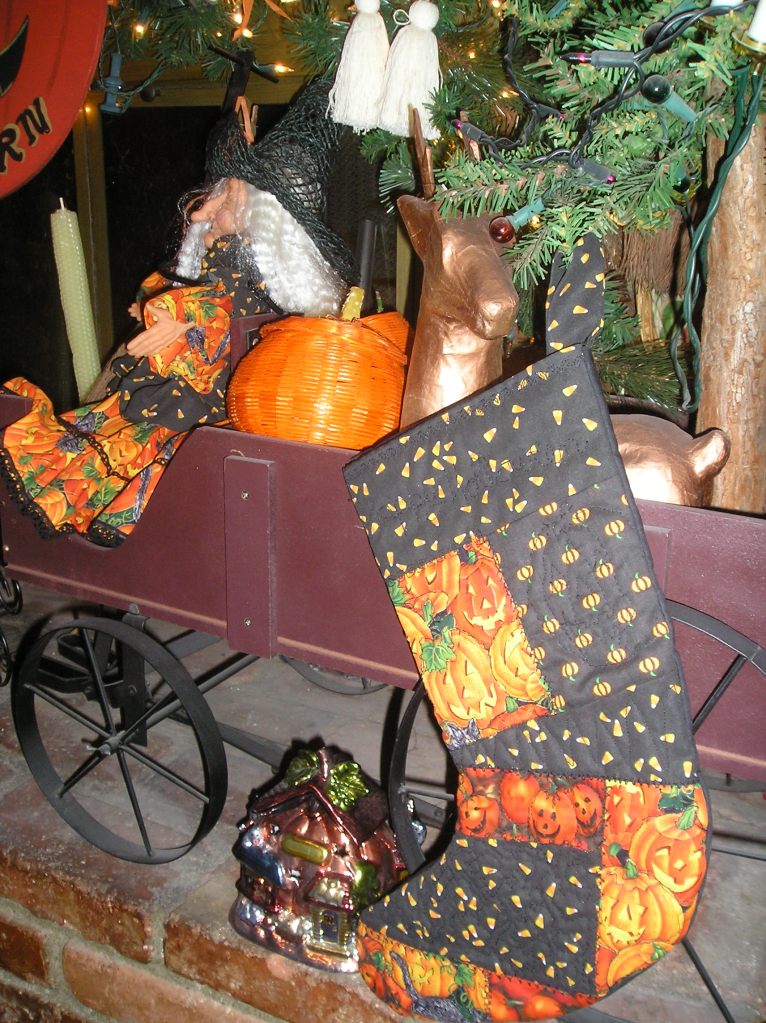
Do I have a problem with that? No. I start decorating right after I take down the Halloween tree and stocking.

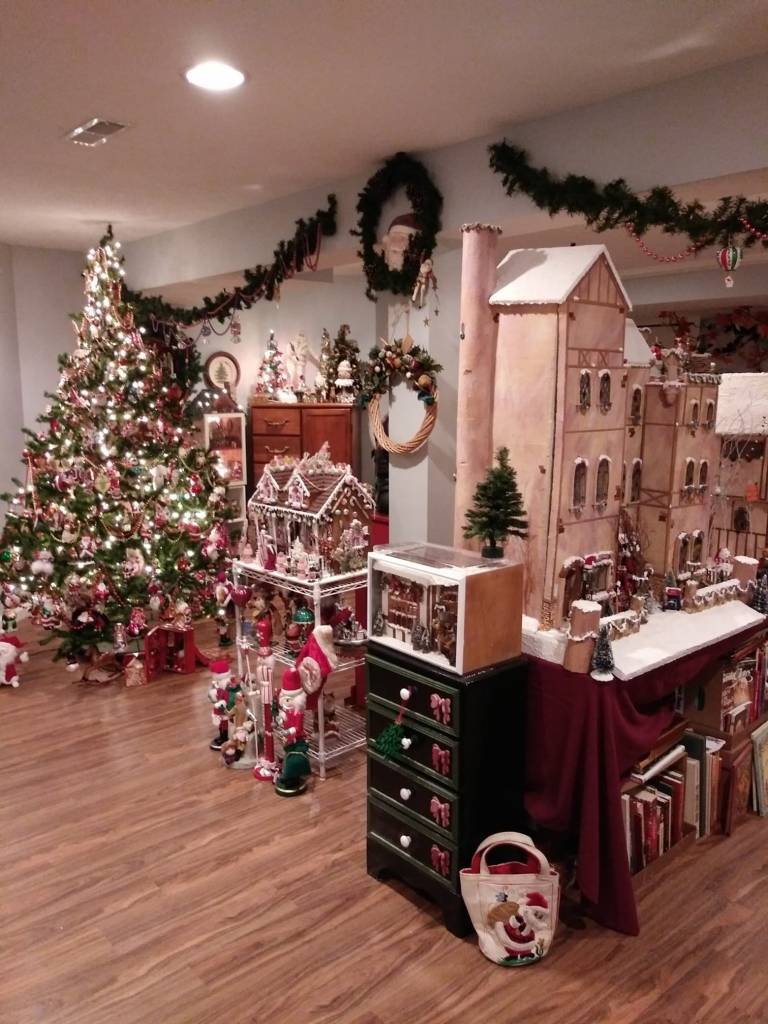
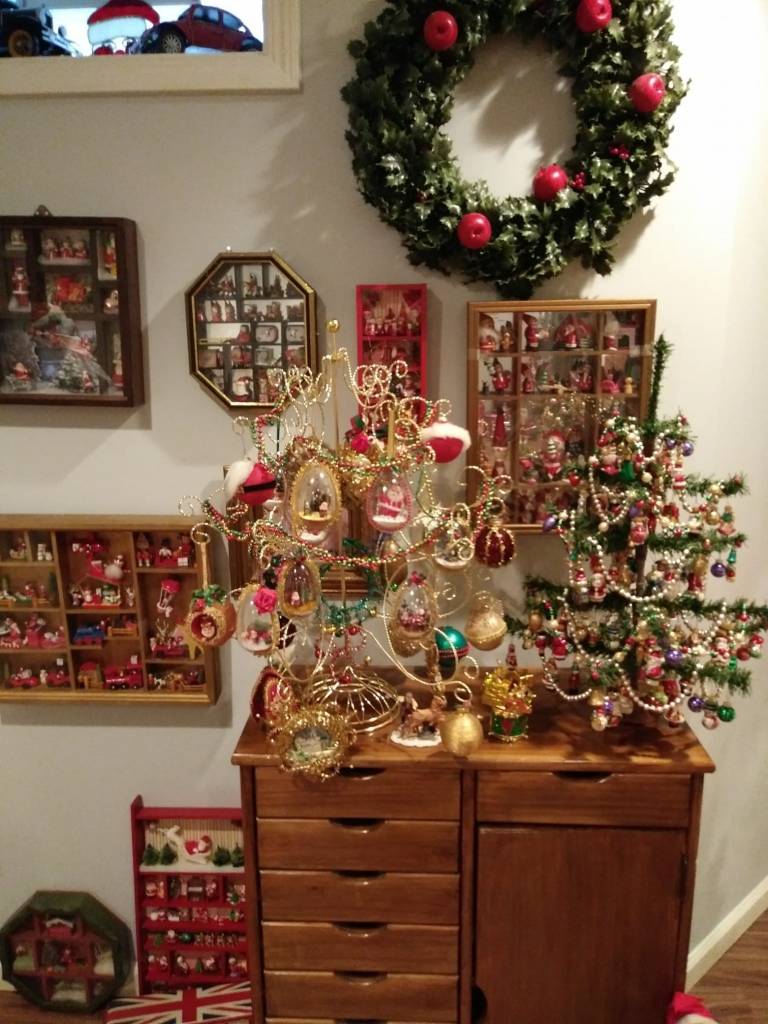
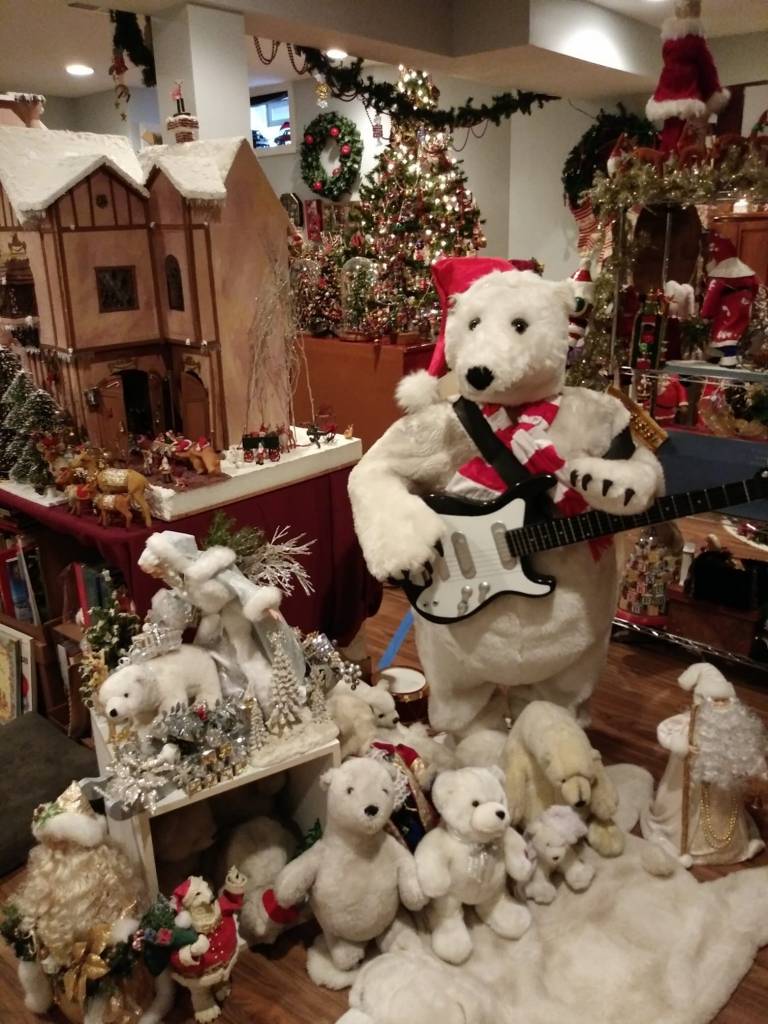
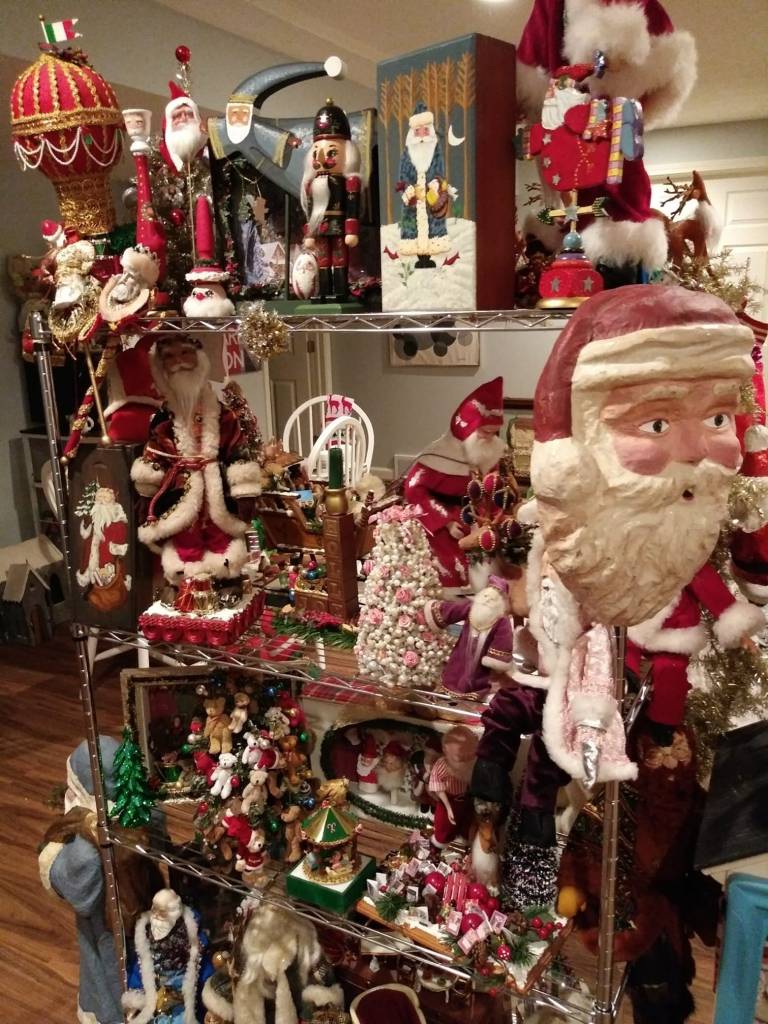
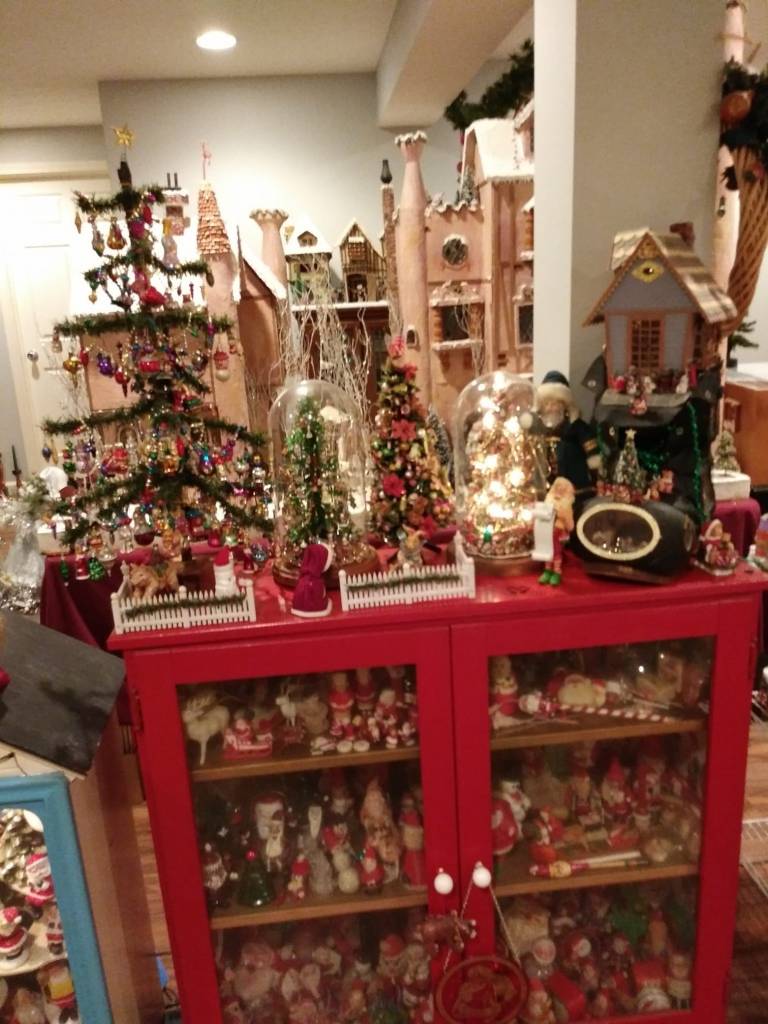
Since I’ve been collecting Christmas decorations, especially Santas, I have a lot to unpack. I’m glad this new house in Ohio has a finished basement so I can keep some of the things out all year.

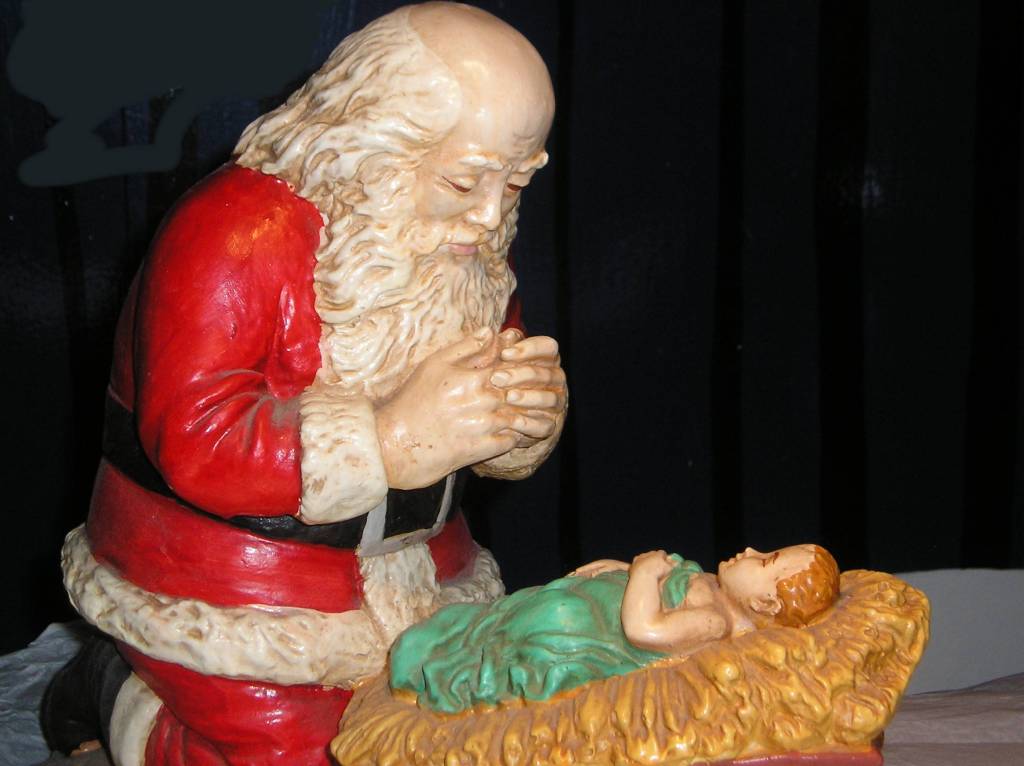
So, enjoy the season…family, friends, decorations and especially the Reason for the Season. You might celebrate this time of year in a hundred different ways, but we can all take time to wish everyone Peace on Earth, Good Will to All.

A WRITERS’ MERRY HOLIDAY….

                                    By ROSEMARY LORD

            Do you ever feel that you’ll never catch up before the year ends?

Meanwhile all around, folks are panicking at not having enough time to complete their yearly goals, year-end deadlines, working to bring in much-needed last-minute, additional income after a slow financial year and wrap up assorted 2025 ventures.

At the same time, people want to make the most of the Holiday Season: Hanukkah, Christmas and New Year’s Eve.

            Many are adding travel to their already over-packed timetables, to visit relatives, distant friends, escape to warmer climes as winter weather encroaches – or just a New Year getaway on the schedule.

Some of us are asking ourselves, is this all a bit overwhelming? Have I taken on too much? Have I added too many incidental items to my accomplishment wish-list?

As writers are we pushing ourselves to finish that book before the year end, when we really need to give ourselves more time to investigate the timelines, plotlines, deepen our characters? Are we rushing to complete that article before the January 1st deadline, just to get it out of the way?

I think that sometimes today, in our busy, rather overwhelming lives, we miss the point of the satisfaction of totally immersing ourselves in the creative pleasure that we’re privileged to do for a living. Just writing. Be it with pencil and pad, or the latest computer programs. Without the cacophony of social media expectations and the fear-of-missing-out, we would calmly (well – not always…) focus on the task at hand. We could focus on what we were writing, even when the deadlines loomed. We did not get distracted by today’s outer craziness. We researched, we wrote, we completed the assignment in a more centered way.

We were at the helm. None of the pressure from outside nudging us to keep posting things on social media or keeping up to date by reading everything on Facebook and Instagram, so we know what everyone and their cousin is doing or thinking. Being sure to read the ‘right’ blogs, attend the ‘right’ events, use the ‘right’ words, keep in touch with the ‘right’ people that may be able to boost our career or our ‘online presence,’ – or not.

What happened to the basic, simple goals we had carefully planned?

Our aim used to be to write an (almost perfect) article, book, novel, investigative report, children’s book. Something we would be fastidious in researching, writing and editing. Maybe running it by our beta-reader friends before sending it off.

But today we seem to have become distracted and overwhelmed by the outside influence of a thousand chattering voices telling us we’re not doing enough. That we should have this ‘online presence’ and become a social media darling so that everyone recognizes our faces and our logo. Everyone should have a distinctive logo, they say. Who is ‘they’?  

Yes, I appreciate that is today’s way to sell more of our books, our articles, get more advertising revenue. But I can’t help thinking that, if it’s the money you’re after and if your goal is to become a millionaire and get a million ‘clicks,’– there are a lot easier ways to do that than through the writing world.

When we started out, it was our writing that we wanted people to read, enjoy, appreciate, even applaud. Somewhere along the road that seems to have gotten lost.

Originally, we each felt we had something to say. A voice to be heard and enjoyed. But then some got caught up in the rush of outside influences, instead of listening to that calm, still voice inside our writers’ brain.

Some of us got too busy listening to everything and anything and lost our way, then found ourselves thinking, ‘Is this how I really want to spend my life?’

And this is a wonderful time, over these festive holidays, to calmly step back and remember what we came in for. Where is our time best spent? Rushing around following the crowd? Or finding our way back to our original writing goals?  

So, as we have our overfill of eggnog in the next couple of weeks, let’s take a deep breath and quietly plan for a wonderful year ahead of writing what WE want to write, in the way WE want to write it. Dust off our writing dreams – and tell Santa Claus what we really want for Christmas…

Happy Hanukkah, Merry Christmas and a wonderful New Year to all of you writers and readers out there.

2025 – A YEAR IN REVIEW

by Miko Johnston

The end of December. A good time to review what’s transpired throughout the year, including all the information and revelations that came from our WInRs in 2025.

WInRs may be women of a certain age, but we keep up with the times, as evidenced by several posts – including Jill’s – on AI. I expect this subject will be revisited as the technology progresses … or perhaps takes over?

When Gayle posted Characters: Real and Imagined, I could relate to her reflections on using famous people in our writing. As the author of a historical fiction series, I had to include actual people to balance the historical with the fiction. Her tips on incorporating the famous with the fictitious will help all writers.

Maggie’s Get Those Details Right! also struck a chord with me. I’d had to research locations in Prague during Covid, which meant canceling my planned in-person trip. I learned the limits of Google Maps firsthand when certain information I got from it turned out wrong. Fortunately, other ways to research locations exist (see this post).

Being an author means you never have to retire, a point made by Linda’s post, Retirement? Even if we stop writing for publication, we can continue to pen (or type) notes, keep a diary or journal, or log our family history for future generations.

Jackie’s piece on Mystery Books to TV Series inspired me in a reverse way. I selected a few series I’d enjoyed watching and bought the books, one of which I’m reading now.

Readers of this blog know I love to travel and often do, another reason I always enjoy the journey I take whenever I read one of Rosemary’s posts. London’s World of Words and Stories not only brought me back to a city I hadn’t been to in many years but reminded me how much travel has inspired and informed me about life outside my bubble, not only as a writer but as a human being.

Possibly the most controversial post this past year came from me. In A Contrarian View of Cozies I explained why I won’t read the sub-genre. Some of the responses softened my opinion. A little. Interestingly, when I wrote about cliches in mysteries in an earlier post, I never expected life to imitate art. After the recent jewel heist at the Louvre, a photo of policemen standing guard at the facility included a very dapper man, which raised questions as to who he was:

                                                                                                         Photo by Thibault Camus/AP

According to one pundit*: “Never gonna crack it with a detective who wears an actual fedora unironically. To solve it, we need an unshaven, overweight, washed-out detective who’s in the middle of a divorce. A functioning alcoholic who the rest of the department hates.” I couldn’t have said it better myself. Turns out he had nothing to do with the investigation, but it proved my point.

Our purpose at The Writers in Residence is to entertain, inform, and encourage our readers. If you follow this blog, or recently found it, have we achieved our goal? Did any posts help or influence you as a writer?

*Melissa Chen, a tech executive based in London, wrote this in an X post that has been viewed more than five million times.

Miko Johnston, a founding member of The Writers in Residence, is the author of the historical fiction series, “A Petal in the Wind”, as well as a contributor to several anthologies, including the recently released “Whidbey Island: An Insider’s Guide”. Miko lives in Washington (the big one) with her rocket scientist husband. Contact her at mikojohnstonauthor@gmail.com


Last ‘Group Post’ in 2025 – a Holiday Story

by WinR members

In 150 words or fewer, use (most of) these holiday words in a story: snowflake, candle, cookie, bell, star, and mitten. Your story can be funny, magical, reminiscent, or adventurous—it’s up to you!”

  1. Jill Amadio

“Despite the snowflakes landing on her nose and eyes (the only parts of her uncovered) as she trudged along the lane in Boston, she kept hoping for a glimpse of the stars. It was her sole method of navigation, and she longed to see Venus, her home planet.

Suddenly, she spotted a small dark object a few feet ahead. Curious, she picked it up, noting five leather tubes, four next to each other, and another, shorter tube separated from the others (a mitten!). The object appeared to be similar to her own three tubes for each hand. She threw it back onto the snow as she heard a deep booming sound coming from the pointed structure up ahead (a bell tower!).

She stopped to listen as the booms changed tone quickly, and she realized this was what mortals called music. She entered and saw a myriad of little burning candles on a stand. Was this a code?

She ran outside, fumbled in her pocket to retrieve her “nallimachine,” and pressed the shifter button. Instantly, she shot up into the sky, through the snow clouds, and into a triangular craft that had its door already open.

“SoiurmmegivomortChristmasalsii,” she gasped. The pilot nodded and pushed a series of knobs, sending the craft into space.

.

2. Maggie King

Every year, my daughter Molly and I watch Christmas movies. When The Bells of St. Mary’s ended, I started Frosty the Snowman and went to the kitchen to heat hot chocolate for the two of us. Outdoors, fat snowflakes fluttered in the air, covering the ground in a thick, white blanket. I picked up one of Molly’s mittens from the floor.

“Mom,” Molly cried from the family room. “The star is crooked!”

I handed Molly a mug of fragrant hot chocolate and straightened the star on top of the tree. The tinsel on the branches reflected the lights in jewel colors of red, green, and blue.

“Mom, can we leave Christmas cookies on the mantle for Santa?”

“Of course, darling. And you get to pick the cookies Santa will like.”

Molly squealed in delight. “I love Christmas, Mommy.”

“So do I, darling. So do I.”

.

3.  Jackie Houchin

Mittens, my black-and-white tuxedo kitten, jumped from my bed to the bookcase by my window and wiggled her head through the slit in the curtains.  I heard her “chat-chat-chatter” at something outside, but I was too cozy in my bed to get up and see.

She started “running” her front paws on the cold glass, making a squeaking sound, and jingling the bell on her collar.  “Meow,” she said, pushing through the curtain to stand on the windowsill, her tail twitching.

I popped the rest of my gingerbread cookie into my mouth and climbed out of bed. “Brrrrr.” I stuck my head between the curtains to see what Mittens saw. She was purring as loudly as an electric pencil sharpener now!

“Awwww,” I purred too. In the neighbor’s upstairs window across from mine was my friend’s new white Persian kitten. She had a big red Christmas ribbon around her neck. 

“Hi, Star!” I said and waved Mittens’ paw at her.  She squeezed her golden eyes shut briefly and smiled.

.

4. G. B. Pool

A bell went off in young Bobby Gentry’s head last year when he tried catching a glimpse of Santa and his reindeer, which he did every Christmas Eve. He saw something flash across the night sky, followed by a shower of snowflakes that looked like glittering stars.

He planned all year for this next Christmas Eve. He picked out the prettiest cookie his aunt had made for the holiday party earlier that evening and stuffed it in his pocket. It was broken by the time he got home, but it would have to do.

He left a note, the cookie, some mittens for Santa to keep his hands warm, and a handmade card. In the note, Bobby said he didn’t want anything for himself, but would Santa deliver this card on his journey.

The card featured a lopsided cake and three candles. Written inside were these words:  Happy Birthday, Jesus.

.

5. Linda Johnston

Who Saved Who?

Wearing a jacket and boots, Ava approached her car outside her Indiana home as snowflakes fell. Christmastime was nearing. Today was growing late, and a star glowed in the darkening sky.

She and her husband, Bret, had no kids yet, and Ava was lonesome since Bret had suddenly left town for business.  Well, she knew where to go. She and Bret had already made the decision. Now, it was time.

Driving carefully, Ava soon reached the pet shelter where a candle burned in the window. Exiting her car, she pulled on mittens for the short walk inside.

And yes! She was met at the entrance by volunteer Sue, with a special dog leashed beside her: an adorable, abandoned Papillon mix.

“Hi, Lucy!” Ava knelt to offer a small dog cookie.  As Lucy ate it, Ava stood and looked at Sue. “Is she–?”

“She’s yours after we finalize paperwork.”

Ava smiled and picked Lucy up. Christmas in their household would be wonderful.

.

6. Renee LeVerrier (guest)

A Haiku

Mom’s cookie tins hold

Stars and snowflakes, mittens, bells 

Reach in for childhood

.

7. Barb Bland (guest) 

All the other women in my family were up to their eyebrows cooking, shopping, wrapping, and decorating for Christmas, so I volunteered to look after my three-year-old niece, Lizzie, who was sick in bed. In her darkened bedroom, I told her about The Star and the heavenly angels appearing to the shepherds watching their flocks by night. 

“The German Shepherds?” she interrupted.

I realized that her next-door neighbor had two dogs of that breed and that Lizzie was too young to have yet learned about nationalities, so I simply laughed and said,  “Yes. The German Shepherds.”

.


Hope you all enjoyed the stories.  Got any of your own to share??


Listen to Any Lyrics Lately?

by Jill Amadio

Listened to any lyrics lately? I seem to be spending far more time in my car than usual and, of course, I have my CDs at the ready.

I have to admit, shamefully, that I never truly considered songwriters to be real writers. Yet, they record their daily lives, romances, disappointments, failures, joys, and happiness with succinct and clever poetry and core messages that perfectly fit the moment.

My favorite is Leonard Cohen’s “Hallelujah” and then all of his other works. I enjoy singing along with him until he slides into recalling some of his private, sexy moments for all the world to share. I quickly fast-forward.

His writing is pretty explicit even when he writes about religion, and I am sure his childhood and into adulthood included prayer and participation in services.

Which brings me back to lyricists and their skill at fitting words that we often fling about so wildly, are perfect for the composer’s work. Only Frank Sinatra did it ‘his way’ and sometimes scrambled words together and stretched them out, to my mind. I have never attempted to write a lyric, although I was forced to dabble in some corny poetry in school. It never occurred to me that songwriters, both those who write the words and those who compose the music, were so gifted and creative. Interestedly, they manage to make simple sentences sound beautiful when sung. I urge my memoir writing class students to read their prose aloud and none have ever broken into song. Maybe that’s a good thing. But I am sure that lyricists practice their sons aloud as a way to judge their effect.

It amazes me how songwriters like ABBA and “The Mommas and Poppas” manage to squeeze a lifetime of hurt and happiness into a 3-minute song. It is understandable, of course, when they are singing about one specific moment, but even that requires a skill that many regular writers lack. I wonder if they trim and edit, as we fiction and non-fiction writers do?

I have never met a lyricist, although I have several poet friends, and I watch time and again movies about composers, although the films rarely ask, to my mind, the crucial questions, such as must the lyrics rhyme? Whence comes the inspiration?  Like many famous writers who are the subject of other writers’ biographies, the nitty-gritty of lyric writing and composing are often lost in the labyrinth of their concert performances.

I have read that lyricists and composers work together, but which comes first? Are the words arranged to fit the music, or vice versa? Does erasing carefully-conceived words annoy the lyricist as our editors annoy us? I remember reading that Ernest Hemingway had huge fights with his editor, Max Perkins at Scribner’s, who invariably won the battle and improved the books so magnificently into bestsellers.

I don’t recall any such fights between songwriters, but I am sure there were plenty. Perhaps they were short – like their songs, although I can’t imagine the writers of the lyrics criticizing the music unless they are composers themselves.

.

Perhaps we mystery writers should try to create a murder that can be described in just a few words, a one-page short story, although some songs have several stanzas. It seems that more contemporary songs are brief and to the point, except for country-western, which are often depressing and mostly seem to be about lost love.

Of course, once we’ve murdered the victim in our books and solved a sub-plot or two, finding the killer could take up an entire music album. Perhaps ancient people wrote songs although archaeologists only appear to discover crockery and texts. What would their songs sounds like?

These literary musings are a rather fun way to procrastinate although I am actually seated at my desk and using my laptop. And, I am writing!