
by Jacqueline Vick
 Lots of people dream about writing. And writing for yourself and your family is great. Recording memories. Journaling for fun and self-awareness. These are all wonderful, creative pastimes that I encourage. In fact, if you write, you are a writer.
I suspect what most people mean when they say they want to be writers is that they want to make a lot of money doing something they enjoy. And that’s an honorable goal. But there will be challenges.
One thing that stands out from my time with the Sisters in Crime Los Angeles Speakers Bureau is the number of people in the audience who asked published writers for tips and then rejected them.
Audience Member: How do you find time to write a book?
Writer: You need to write every chance to get. On the train or bus if you commute. During your lunch hour. Or get up early.
AM: I drive to work. My lunch hour is too short. I have enough trouble getting up for work. I have no time.
Audience Member 2: How do I sell my book?
Writer: You have to put yourself out there to meet other writers and readers. Meet with book clubs. Do library or bookstore events.
AM2: I’m too shy. And I don’t have a car.
Writer: If in-person events are a problem, there are many online opportunities available.
AM2: I don’t have internet access.
Writer: You could do paid advertising.
AM2: I have no money.
Based on those conversations, I thought I’d give aspiring writers a reality check in the most loving way possible.
If you want to write for a living, you will run into obstacles. You will either find a way over them or around them, but, if you’re serious, you will move forward.
There are many paths to publication.
Online zines publish short stories, and some of them pay. Competition is high.
Traditional publishers will most likely require you to have an agent submit your book, which means having a clean, edited copy of your manuscript along with a polished query letter. Check with each agent for their requirements. (Or the publishers, for those who accept direct submissions.)
Self-publishing. You will need to have a professionally edited book and a professionally designed cover. After that, everything falls under your responsibility: submission to the markets, marketing the book, and handling all business decisions and finances.
My point is not to scare you but to prepare you.
I spend my typical day writing AND marketing. At this point, probably 40% of my time is working on marketing, whether that is appearances on websites or blogs, testing creatives for ads, testing headlines for ads, testing primary text for ads, keeping up with trends, watching my ads and making adjustments, such as killing the ones that aren’t working and adding ones I hope will work better. And so on.
I also spend hours each week in marketing groups as well as writer’s groups.
Part of my budget is spent on tools that help make me a better writer and marketer. ProWritingAid for grammar. Fictionary for story development. Unbounce, Mouseflow, and Shopify for marketing and direct sales. And the plugins to make Shopify perform better. Not to mention the thousands of dollars I spend on ads each month.
Usually, I come out ahead, but there are no guarantees. Some months, especially when Facebook makes a change that affects the algorithms, I don’t. But it’s a growing and learning process. You need to hang in there.
If that sounds like something that interests you, I suggest you join a writer’s group that focuses on your genre. Sisters in Crime, Romance Writers of America, and Society of Children’s Book Writers and Illustrators are a few. They often have great resources.
Follow authors you like, especially those who write in the same genre, on social media. See what they’re doing. Study their Amazon book pages, author pages, or, more popular now, their direct sales shops.
And don’t expect overnight success.
If that sounds appealing to you—or at least it doesn’t scare you—good luck. May you have a long and fruitful career ahead of you.
###
- Jacqueline Vick
- The Frankie Chandler Books
- The Harlow Brothers Books
- www.jacquelinevick.com


 In the spring of 2010, just six months after I published
  For example, in Maids of Misfortune, I had created two elderly dressmakers who lived in the O’Farrell Street boardinghouse. One of these sisters talked all the time, the other never said a word. And that was about all a reader learned of them in that first book. But I had developed a whole history for them and I wanted my readers to learn that backstory. So, in my second short story,
  Finally, I write these stories so I can explore historical themes in more detail. In
 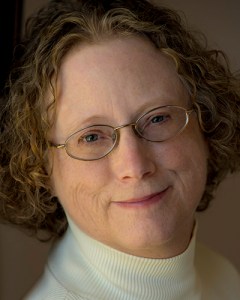 Louisa Locke, a retired professor of U.S. and Women’s History, is the author of the USA Today best-selling cozy Victorian San Francisco Mystery series. This series features Annie, a young boardinghouse keeper, and Nate Dawson, a local San Francisco lawyer, as they investigate crimes with the help of their friends and family in the O’Farrell Street boardinghouse. Not content with just exploring the past, Locke also helped create an open source, multi-author science fiction series called the Paradisi Chronicles. You can find out more about Locke’s books from both of these series at



 “Ideas had space to roll around in my head,” she said. “My thoughts were uninterrupted. It was divine. These days the life of a 21st century writer are frantic, a pressure cooker requiring one to write reviews, connect with fans and friends, and try to stay in the game. ”
 Jill Amadio is from Cornwall, UK, but unlike her amateur sleuth, Tosca Trevant, she is far less grumpy. Jill began her career as a reporter in London (UK), then Madrid (Spain), Bogota (Colombia), Bangkok (Thailand), Hong Kong, and New York. She is the ghostwriter of 14 memoirs, and wrote the Rudy Valle biography, “My Vagabond Lover,” with his wife, Ellie. Jill writes a column for a British mystery magazine, and is an audio book narrator. She is the author of the award-winning mystery, “Digging Too Deep.” The second book in the series, “Digging Up the Dead,” was released this year. The books are based in Newport
 Then, on Sunday, I was on a panel for Sisters in Crime at the Thousand Oaks Library, where several published authors were on Dying Laughing, a mystery authors panel, where we were asked questions about our writing–how it starts, how it continues, and a lot more, including humorous aspects. And I, unsurprisingly and fortunately, was asked a lot about the dogs in my stories.
 Linda O. Johnston, a former lawyer who is now a full-time writer, currently writes two mystery series for
 I’m a writer.
 Now I’m working on the fourth of those books. I’m first doing a synopsis and three chapters to turn in, then finishing the rest of the manuscript. I have a few months, so I should be fine. But right now I’m looking at all the weekend events, panels and more, that I’ve agreed to in the near future. Then there will be a visit from some dear family members that will probably use up a week. And an annual trip that has been extended to see those family members at their home. So… well, I’m worried about meeting that deadline.
 Yes, deadlines are a part of life.



 Jill Amadio is from Cornwall, UK, but unlike her amateur sleuth, Tosca Trevant, she is far less grumpy. Jill began her career as a reporter in London (UK), then Madrid (Spain), Bogota (Colombia), Bangkok (Thailand), Hong Kong, and New York. She is the ghostwriter of 14 memoirs, and wrote the Rudy Valle biography, “My Vagabond Lover,” with his wife, Ellie. Jill writes a column for a British mystery magazine, and is an audio book narrator. She is the author of the award-winning mystery, “Digging Too Deep.” The second book in the series, “Digging Up the Dead,” was released this year. The books are based in Newport
 I was going to write this post on “how to make $1 million on your first book” and follow the story of paranormal-romance writer Amanda Hocking who actually sold 1.5 million eBooks in 2010 and made $2.5 million. “All by her lonesome self. Not a single book agent or publishing house or sales force or marketing manager or bookshop anywhere in sight.”
 As I began to read blogs about self-publishing and downloaded PDFs like “Checklist for Publishing Your Book” and “Which Format Should I Choose” and followed marketing blogs with tips on using social media, launching your book, advertising, newsletters, and websites, I discovered there’s a lot more to consider.
 I bought and read “How to Self Publish Your Book” by Craig Gibb, which details about titles, pen names, and blurbs, as well as editing, cover designs, formatting, promoting and marketing options.
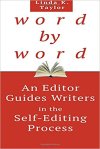 “Word by Word, An Editor Guides Writers in the Self-Editing Process” by Linda Taylor describes in detail the process of content and copy editing, proofreading, formatting, and all the front and back matter I would need to write for a complete “up-loadable manuscript package.”

 by Jackie Houchin
 Just kidding! You won’t get rich from these sales, but you will get “writing clips.” And when magazine editors discover your timely, well-written articles/stories etc., they will approach YOU with their needs.


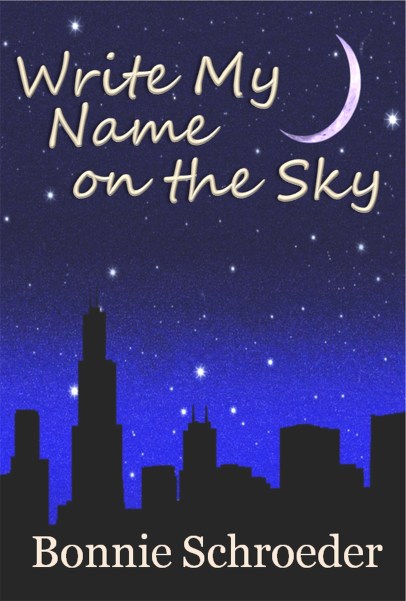
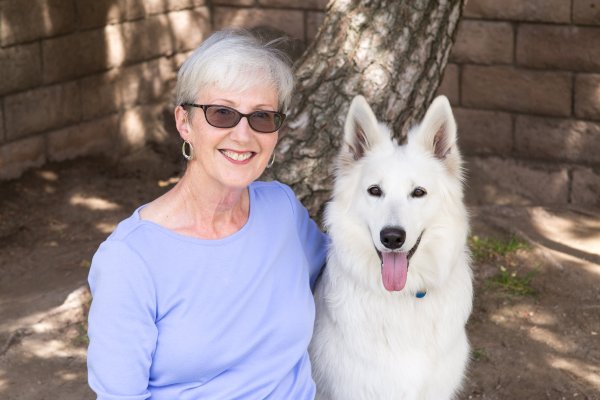


 my hands trembled; and my previously well-organized thoughts scattered like dandelion fluff. I could tell from the pitying looks on my colleagues’ faces that my talk was a total disaster.
 g Dreams, I was able to jump right in and pitch my novel to the group, and their enthusiasm and encouragement carried me through the launch and on into a string of other appearances. Several of the club members even came to the book launch to show their support. The group has become a treasured part of my writing life.
 , I realized I’m not scared anymore, and that awareness was the same kind of high I get when the solution to a thorny story problem suddenly comes clear.
 ng to make your words heard, you can focus on more important issues. I used to be afraid of microphones, until I realized how much easier they made things. Take whatever’s available—and if you’re using a hand-held mike, clamp that arm to your side and keep it there; gestures are great, but you don’t want to be waving that mike all over the place.
 The Writers in Residence
You must be logged in to post a comment.