
By Gayle Bartos-Pool
 That Aristotle guy was smart. He understood the basics in writing a story: Plot, Character, Dialogue, Setting, and the Meaning of the story. If the writer doesn’t address all those points… what’s the point of the story? Of course you have to have a Plot. Something’s got to happen. And without people or even a furry face, there is nobody to watch as they uncover those twists and turns. Without a Setting you have no place to wander through while the main characters are exploring that environment. And without a Meaning to the story the reader is going to wonder: Why am I here?
But what about Dialogue? That is the way each character tells the reader who they are and even sometimes explains what that environment looks like in personal terms. Remember, one character might see a desert as a wasteland while another might see it as a beautiful vista. That being said, dialog can be tricky. Ask an actor who has to interpret those words and make their character have personality and not be just another passenger on the bus. I learned this lesson when I took acting lessons back in California.
There was a time I thought I would write for the movies and television. Yeah, me and about ten million other people. In California, half the people you meet want to be actors, the other half want to write for the silver screen. I thought a good way to see what these actors needed from a screenwriter was to take acting lessons and learn firsthand. I actually learned a lot from the acting teachers I had.
The first teacher was actor Bruce Glover. What a character, and I say that with deep respect. He was in the movie Diamonds are Forever with Sean Connery. He played one half of the “killer” duo that wanted those diamonds and did whatever they could to retrieve them. The patter between Glover’s Mr. Wint and Puffer Smith’s Mr. Kidd was reminiscent of the old Vaudeville act featuring the song: “Absolutely, Mr. Gallagher. Positively, Mr. Shean” in the movie Ziegfeld Girl 1941.
Glover took that a step further and made sure his character had not only the delivery right, but he did a little bit of business so the camera picked up on his actions. Don’t they say: Actions speak louder than words?
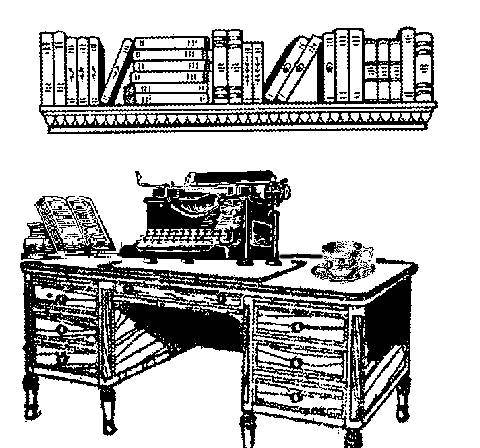 So as a writer you need to give your character something to say that fits his or her character, but also have them do something that nails that character while they are speaking. Whether you are putting those words on the page to be read in a book or writing a scene for a movie, describe those characters with words unique to them and give them something unique to do. And I don’t mean just your main characters. Why have somebody show up on the page or in a scene who adds nothing to the story. If you don’t want to add a superfluous character, have someone literally send a telegram and then let an established character read it out loud. But remember, when they’re reading that message let them give it some personality… it’s either good news (slap your thigh)… or bad news (cringe)… or it’s a disaster (dive under the table!)

EXAMPLE:
Ladies sitting around having tea and mentioning the great weather doesn’t move the story.
Ladies sitting around having tea, mentioning the weather and the latest fashion doesn’t move the story, either.
But how about this…
Ladies sitting around having tea, mentioning the weather, talking about the view, noticing the flower arrangements in the restaurant and the latest fashion being worn by other guests doesn’t move the story until one of the ladies finally says: “Let’s stop talking about nothing and talk about Sarah’s murder. Somebody killed her and we’re going to find out who did it.” Now that gets the ball rolling.
Let’s explore the last example. We can see/hear the ladies chatting. Each character’s view of her surroundings will tell us a little about that character whether one lady is envious of someone’s very expensive outfit or they notice the guy this other lady is with and they know he isn’t her husband. Meow!
Or how about the lady who thinks the prices on the menu are a tad too high and she reveals that her husband just lost his job.
Or maybe one lady doesn’t want to mention that the handsome guy coming in the door of the restaurant with the little floozy used to be her boyfriend, but one of the other women points it out in a catty remark.
But the gal who wants to get down to the important things like who killed their friend is setting the story off in another direction. And what if all the ladies are raring to go to solve the crime except one of their group who is hesitant. She doesn’t say much or maybe says nothing. Does she know more about this than she’s willing to admit? What if our main character picks up on that lack of comment and confronts her later? Or maybe somebody else confronts her and one of them turns up dead?
What they say… or what they don’t say. That’s part of Dialogue. And their actions as well. Sometimes actions do speak louder than words. What if the quiet one excuses herself early from their tea and the next thing we hear is that one lady’s home was broken into and that someone just might have something to do with the death of poor Sarah?
Ah, Dialogue. That Aristotle, who was born in 384 B.C., knew of what he spoke. Words have consequences. And how they are delivered can even change their meaning. How about this: two versions of the exact same Dialogue.
First Version: A guy and a gal are on a date. He has been a little free with his affections with another lady and she knows about it, but she will forgive him.
He says, “I’m sorry I was such a fool, Gwen. It’ll never happen again. I’m crazy about you.”
She says, “I’m just mad about you, too, Harry,” she responded, touching his face lovingly, seeing the love in his eyes.
Compare it to this version:
He says, “I’m sorry I was such a fool, Gwen. It’ll never happen again. I’m crazy about you.” He says this while looking off in another direction.
She says, “I’m just mad about you, too, Harry,” she responded, grinding her cigarette into the plate of uneaten lobster.
Does Harry have a chance in version two? Probably not.
What a character says and how he says it and what he is doing while he is saying it tells a story.
So, as you write Dialogue always ask yourself:
Does it advance the story?
Does it enhance the story?
Is it redundant? Is it redundant?
Write On!


 (Dianne Ascroft’s Cozy Mystery Short Story is part of the Deadly Traditions: A Cozy Mystery Christmas Anthology, by




 Petal in the Wind Book IV: Lala Smetana
 Mystery writers are often asked how they decided to choose not only the genre but the plot itself. My revelation for my debut novel came about when I moved to the United States. I’d been a reporter and figured on continuing in that profession forever. I loved it. However, life has a way of setting one down a different path than planned.


 Happy Writing Trails
 Check out Mending Dreams’ spiffy new cover, designed by the amazing

 How many of you have ever read the Book (or parts of the book) of Ecclesiastes in the Bible? It’s in the Old Testament, right after Psalms and Proverbs (other excellent books to read!).
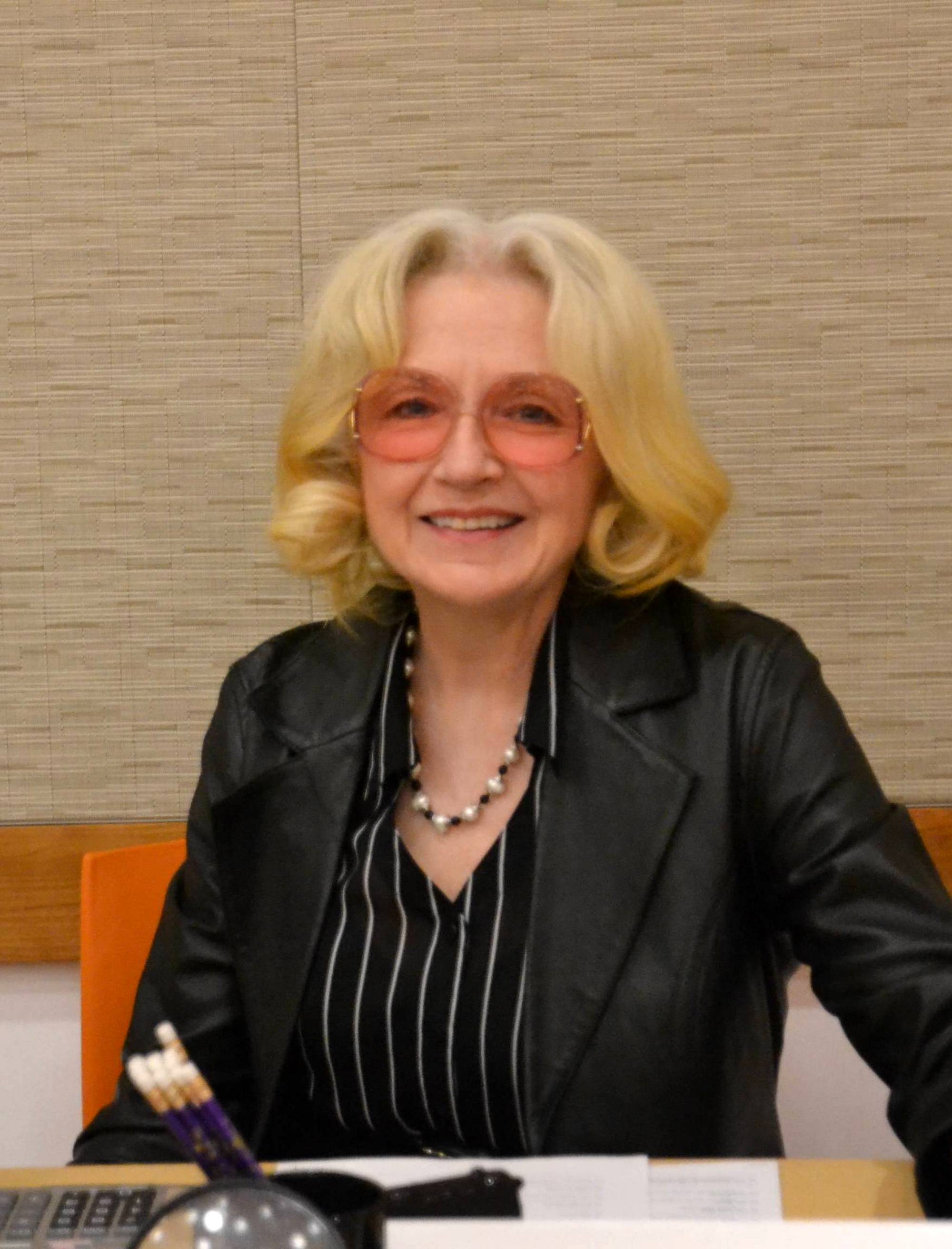
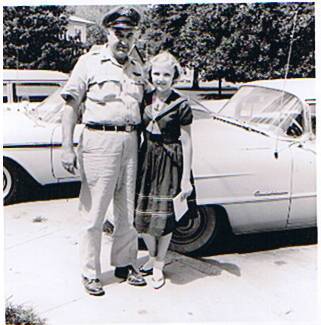 I had the opportunity to have a father in the United States Air Force. We lived on the island of Okinawa when I was 5-7 and in France when I was a teenager. I went to a boarding school that provided an education that exceeded my first year in college in Memphis. I switched schools because I wanted to actually learn something. To pay for my college education, my wonderful dad sold some of the French clocks he and my mom had collected while we lived in France. I worked a year between my sophomore and junior years in college as a private detective to earn money myself and to see what the world was all about. That was probably as important as the four years in college. After I graduated from Rhodes College in Memphis and worked another year to earn money, I moved to California. I took acting lessons so I could learn about the movie industry and especially how to write dialogue because I wanted to write for TV or the movies. I had a few scripts looked at, but none sold. I decided to write mystery novels instead. There is even a story in how that came about, but you’ll have to read my upcoming memoir to see how that happened. It’s a good story. Oh, I went on to write 24 books. I guess all this preparation in life laid the groundwork for that little endeavor.


You must be logged in to post a comment.