
by Gayle Bartos-Pool
 Platform: 1. a raised flooring 2. the flat area next to a railroad track 3. a set of principles
Now is the time to add another definition to your Webster’s. If you are a writer, or you would like to be a writer someday, definition #4 is essential.
Platform: 4. an accumulation of skills and accomplishments along with various methods of broadcasting that information to the publishing world and the reading public; Your goal is to drive people to you and your book.
Learn what type of tools to use to build that platform: website, Internet, writers’ groups, other social networking
Building a Platform in the 21st Century
It isn’t enough for today’s writer to merely write the novel or short story, or for that matter a non-fiction piece, newspaper article, or screenplay. Today’s writer needs to get noticed. Does that mean be a flaming exhibitionist? Yeah. Sort of.
As described in definition #4: a “platform” is an accumulation of skills along with various methods of broadcasting that information to the publishing world and the reading public. And this can be started before you have a book in print. In fact, it should have been started before you are knee deep in trying to promote a published book.
If you have visions of your future publisher footing the bill for your world-wide book tour or arranging your multi-city American book tour, wake up, sweetheart. More than likely, you will be doing this yourself.
But, if you have developed certain skills and have laid a foundation (a.k.a. platform) for getting your name out in front of the public, you are ahead of the game. But a “platform” isn’t just a website or a blog. It’s a lot of things.
If people (agents, publishers, booksellers, librarians) know they can count on you to get a job done, you build your credibility. Sometimes that means just showing up at a literary event and helping out. If you exhibit this type of capability, your agent and publisher will consider you a professional, especially if you have this part of your budding career taken care of before you drop your first manuscript in their laps. And let’s face it, when you sell your book, you won’t have time to learn these new skills. Take the time now, while you are still polishing that second or third draft, to get yourself up to speed.
Now you might say, “But, hey, I just want to be a writer.” (Boy have you got a lot to learn.) Unless you actually have the next Harry Potter book, or Twilight series stacked up around your computer, you have things you need to do now. Both Ms. Rowling and Ms. Meyer have people to handle this. Unless you have “people,” you will have to do this part yourself.
This will be a Bullet Point Presentation of many of the ways you can build your own platform. This will include creating a web presence, getting your face out there (short of on the Ten Most Wanted list), and discovering who you really are in the first place.
 Roll up your sleeves and join me as we polish the gems that we are inside.
Please note: I am primarily a mystery writer, so I will use examples based on writing mysteries. But a writer is a writer. These skills fit all shapes and sizes.
Gayle Bartos-Pool, aka: GB Pool, mystery writer

Bullet Points for Building a Successful Platform
Point #1 –
- Who are You? Before you can really start building a platform of skills to promote yourself and your work, you need to know who you are and what you do best. In other words, what is your niche? If you were a book, where would you be in the bookstore? Mystery section, Short Story collections, Mystery plays. When you meet people, do you say, “Hi, I’m Agatha Penwrite. I’m a mystery writer.” Or are you still not sure what you want to be or write? If you can’t figure out who it is you are, you won’t be the only one.
Look back over the things you have already written and take inventory. At the California Crime Writers Conference in Los Angeles (June 2009), Gayle Lynds (The Book of Spies) said that you will probably have five novels under your belt before you sell your first one.
 So, what do you primarily write?
The other half of knowing who you are is this: What other skills do you bring to the party? Were you once a cop, a private detective, a chef, a hooker? Hey, all of these are the basis of a good storytelling. What skills do you already have that will add credibility to your writing?
When I first started to write seriously, I wrote three long spy novels. The length alone said they wouldn’t be selling anytime soon. My dear husband said to me, “You were a private detective once. Why don’t you write a detective novel?” Duh. Boy, was he right.
So ask yourself, “What actual expertise am I bringing to this novel?” If you are a great cook or professional chef, you might center your stories around cooking. (Jerilynn Farmer’s Perfect Sax). If you are good at research, you might tackle an historical novel. (Jeri Westerson’s Veil of Lies) If you are a doctor, lawyer, or police officer, you have case studies by the score from which to draw stories. (Michael Crichton, John Grisham, Joseph Wambaugh.)
All the people with the above job descriptions have something to talk about when speaking to an audience besides their great new novel. They have real life experience in the subject matter. They bring credibility and great insight to their latest book. Sue Ann Jaffarian (Booby Trap) is a paralegal writing about paralegals. Sheila Lowe (Dead Write) is a real life handwriting expert. Her protagonist has the same job. Doug Lyle (Forensics for Dummies) is a heart doctor. They each write about what they know best.
Not only does Sue Ann have actual knowledge of her subject matter, but she can also go speak at a paralegal convention or a lawyer conference. Her expertise carries weight. It’s a great draw.
 So, what is your biggest asset?
Not a doctor or lawyer? You still have resources. Mari Sloan (Beaufort Falls) comes from a long line of Southern eccentrics and visionaries. Her storytelling skills made her book fascinating, but her ability to tell those stories out loud made her book events unforgettable. Did you hear some good family tales growing up? Bruce Cook (writing as Brant Randall) wrote a novel that incorporates some of his family’s stories in a knock-out book, Blood Harvest. But not only did he have the interesting stories, but Bruce is also a movie director and he knows how to stage a story for the most impact. And his eye for detail shows up on the page.
Now ask yourself again: “What am I bringing to the party? What else can I talk about that shows I just might have credibility in the subject matter of my book?”
Write a one-paragraph biography about yourself listing pertinent accomplishments and skills. You’ll need this when an agent asks: “Give me a brief bio about yourself that I can send along to the publisher when I submit your manuscript.”
Are you getting the idea what a platform is? Good. There’s more coming up the next time it’s my turn on the blog. Watch for it.

 When I first moved to Sunny Southern California in the early Seventies, I decided I should take
 My only claim to fame by that time was playing Girl Number Two in a high school production of Sabrina Fair. I had maybe two lines, but I did get a few laughs when my character had to feign a headache to make another character think that was why me and the Boyfriend, another minor character, were out on the patio getting some fresh air. I guess I did the funny bit of business well enough to get a chuckle from the audience. As for the girl who played Sabrina,
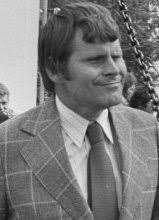 During the nine months I worked for him, he got me into an acting class. The first class was taught by
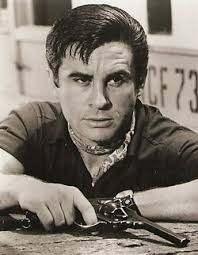 That brings me to the second acting class I took. The talent agent I was working for thought I might like to try another class taught by a couple of guys he admired. The guys were
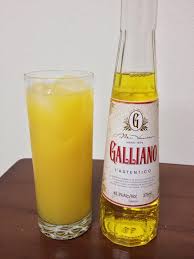 I ordered a
 So back to my original point. Karen and I knew our roles. We knew the characters. We did the scene for Guy Stockwell one evening at the acting studio and he liked it, then he asked how well we knew the scene and did we know each other’s part? Yes. Next he said, “Switch roles.” We did. Karen played the fastidious Felicia and I played the ballsy Esther.

 by Gayle Bartos-Pool
 Polishing the Gem



 by Gayle Bartos-Pool


 by Gayle Bartos-Pool
 Polishing the Gem

 In the spring of 2018, I organized a volunteer program at a local high school. Together with three other writers, we mentor students in a
 Each time we begin a new round of submissions, we, too anxiously await the material, hoping to find both familiar names and new ones. Having worked with the class for over a year, including several students who’ve been in the program since it began, I’m delighted to see a steady improvement in their work.
 (Student), I am stopping my critique here, since this is where your words end and the essay you copied and pasted from (organization’s website) begins. What continues below is called plagiarism – taking someone else’s work and passing it off as your own. Aside from being illegal and dishonorable, you’ve weakened your message.

 A Synopsis just to whet your appetite…
 The Authors


 by Gayle Bartos-Pool
 As for scads of editors available to help you whip your novel into shape if you do land a publisher, that privilege goes to the top five percent of the authors under contract to those last few publishing houses in existence. The other ninety-five percent and basically all the writers with smaller houses are usually asked to furnish a finished manuscript with every typo fixed and every misspelled word corrected. And don’t forget, you will have to make sure you have used the correct punctuation. If you’re lucky enough to find a small or medium size publisher who will glance at your work and run an editing pencil over it, lucky you.

 Polishing the Gem
 There is another reason why this

 My husband, Will Zeilinger and I co-write the
 As a co-author we agree on location first when we start a new novel, then comes the murders, victims and culprits. In


 We both looked back at the red carpet, looked at each other and realized, Hollywood is known for its red carpet affairs, and various award shows.


You must be logged in to post a comment.