Big Words, Bad Words

By Maggie King

Many years ago I read a mystery with so many words I didn’t know that I had to keep my dictionary close at hand. As I enjoy learning new words I liked the experience the popular author provided. But when I mentioned it to a couple of friends, they said, “Not me. I’d have put that book down, and fast. I want to read words I already know.”

I’ve always had a love of words. I fondly remember vocabulary lists in high school: perspicacious, truculent, vapid, loquacious, polemic, specious, logy. With all those big words swirling through my brain, you’d think my SAT scores would have been more impressive than they were.

When I presented my manuscript for Murder at the Book Group (my debut, published in 2014) to a long-ago critique group, the members advised me to ditch the big words. “What big words?” I asked, bewildered. They named a few but the one that stuck with me was “diatribe.” I didn’t consider diatribe a big word and it would surely be understood in context, as in “Arthur ignored his mother and carried on with his diatribe against Evan.”

The upshot was that I kept diatribe, but changed some of the other “big” words.

A word I recall from reading Nancy Drew was “elated,” as in “Nancy was elated by the news.” The context wasn’t clear, so I ran to the dictionary and learned that Nancy was ecstatically happy by the news. Elated is a wonderful word to teach a ten-year-old.

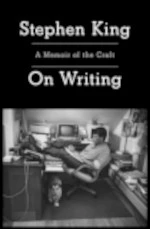
One of my favorite books on writing is On Writing: A Memoir of the Craft by Stephen King. In the book, King says, “Wherever your vocabulary is at today is fine. There’s no need to learn more words or different words. Whatever words you know right now, you use. This will help you develop your voice and sound unique.”

Is using big words in a story a good idea? In my opinion, the answer is yes—as long as the writer chooses words whose meaning and context is easily understood. A thesaurus is a great tool, but don’t use it to come up with words you think sound cool and sophisticated. Readers have a wide range of word knowledge but even those with an impressive vocabulary feel that showing it off is pretentious.

To sum it up: use your best judgment.

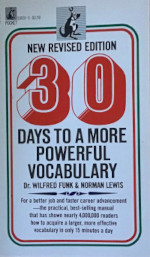
In the meantime, I’ll hang on to my precious dog-eared copy of 30 Days to a More Powerful Vocabulary and see how many of the words I learn end up in my writing. Ceraunophobia, anyone?

To swear or not to swear?


Do your characters swear? Do they swear too much? Not enough? Should they swear at all?

Personally, I don’t get exercised over swearing. Let’s face it, people swear—some a little, some a lot, some only when “necessary.” Swearing can add a touch of realism to our writing (after all, what does one say when tripping over a dead body?). We’ve all known colorful folks who liberally season their conversations with salty words. For one story, I created a character loosely based on a former co-worker who never felt the need to censor her speech. Not a word of it.

But my readers object to profanity and I must respect their wishes. There are ways to suggest swearing and author Naomi Hirahara is so skilled at this that you know the exact word she’s not using. Another author, F.M. Meredith, has this to say about the lack of salty language in her Rocky Bluff P.D. series: “Oh, the characters do cuss, I just don’t quote them.”

Here are ways I’ve suggested swearing in my stories: She shrieked a litany of curse words; She continued to scream and curse …; He included a few four-letter words of a sexist nature; Donna slurred a few non-PG13 adjectives to describe her feelings for her ex; Kat cursed a blue streak (I wouldn’t choose this one again, as it’s a cliché that sneaked past me and my editor).

On several occasions I’ve presented a seminar/webinar on dialogue and tackled the question of profanity. This is how I answered the question “To swear or not to swear?”:

• Know your reader and your genre. Cursing and four-letter words are more acceptable in a thriller than in a romance or a cozy mystery.
• Refrain from profanity in narrative, but an occasional expletive in dialogue is acceptable (depending, of course, on genre).
• Realize that profanity is more noticeable in a novel than it is in real-life conversation.

Again, use your best judgment. And ask your beta readers for feedback.

Your thoughts?

Giving Back

by Gayle Bartos-Pool

Gayle at Bill's House Sept 2022 cropped

I’ve learned a lot from other writers. This blog has allowed me to gain knowledge about what we need to do to get those words on paper or into our computers. We might have a few different technical methods for getting that story actually written down, but many times I’ve noticed that we use similar ways to come up with the narrative.

Many writers actually let their characters “talk” to them so they can craft a unique person in their story. I’ve done it so often that I rely on that connection with those characters when I’m writing.

When I first had the idea for my Johnny Casino books, I sat down and basically let Johnny give me a two-page monologue about who he was. That “chat” ended up being the opening pages of my first book about Mr. Casino.

I learned about creating a biography for a character when I took acting classes from a terrific actor named Rudy Solari. He told us when we were doing a scene from a play to write out a short bio about the character we were playing. The script might have the words and the actions of our character, but Rudy wanted us to know more about the person we were playing like their education, where they grew up, and how they viewed the world so we would know who our character really was when we first stepped onto the stage and delivered our lines.

I use that method when I write my characters in my short stories and novels. When I start crafting the story, I jot down the name, age, general attitude and some special characteristic of that person so I can keep track of him or her throughout the story. I don’t want a 25 year-old blonde named Mary to turn into a 45 year-old red head named Mildred later on in the book because I forgot who she was supposed to be.

1.19VroGayl+sleuths

That lesson from acting class has stayed with me for over fifty years. It works. I learned a few other things from actors, other writers, and by just honing my craft. But for many years I thought I should share this stuff I was learning with other writers, so when I became Speakers Bureau Director for Sisters-in-Crime/Los Angeles, I thought I would put on a few classes to let other writers know how I got words on paper.

Simi2

This “giving back” to fellow writers became something I have done for years. Not everybody can give money to groups and causes they endorse, but we can give of ourselves. I’ve done this by speaking at women’s clubs, libraries, and to other writer groups. And the times I’ve been on a writers’ panel has always been fun, because I learn new things, too.

Something else I try to do is to encourage people, not just somebody wanting to write that first novel, but to regular people who have lives that are frankly extremely interesting. I tell them to try writing their own autobiography so they can share their life experiences with their family and friends and maybe a whole bunch of other people who learn that this person they just met has a book out there about their incredibly interesting life. That just might prompt the next guy or gal to jot down a few of their own memories for a book of their own. But somebody else learns from that memoir – the writer. They learn things about themselves. Nothing wrong with that.

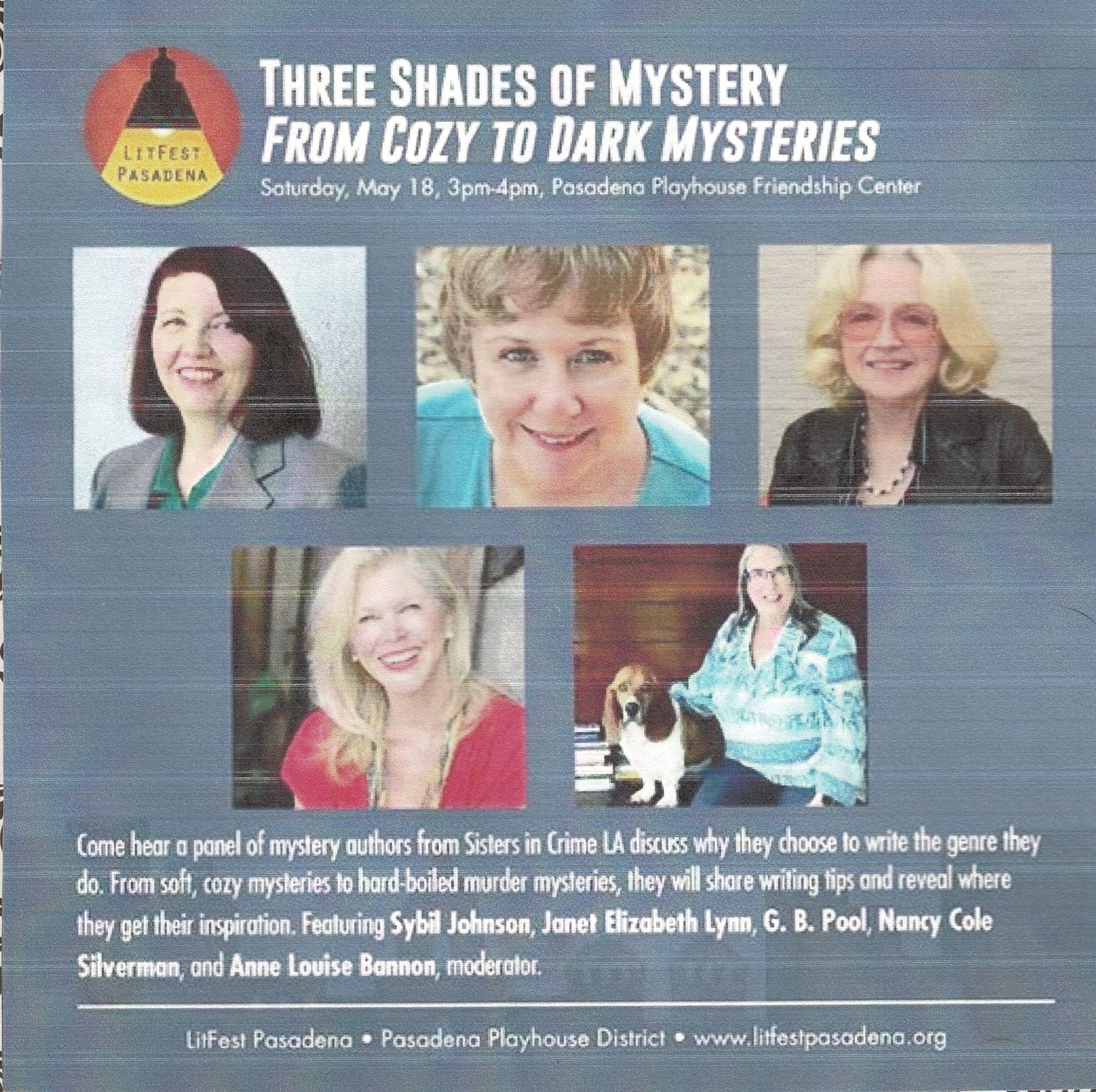
Pasadena LitFest Panel

I want to encourage people to write and to read. Both are becoming a lost art. Look at the handwriting of kids and even young adults nowadays. It looks like a first grader. Ask a teenager what was the last book they read. You’ll be lucky if they ever read a book outside the classroom.

By encouraging people to write, we might get a few more words on paper, a few more ideas in print, and a few more interesting stories to keep people company when the Internet is down. People might actually see there really is a world out there and they are an interesting part of it and they have a few stories to tell as well.

Read On, Write On, and Teach Others!

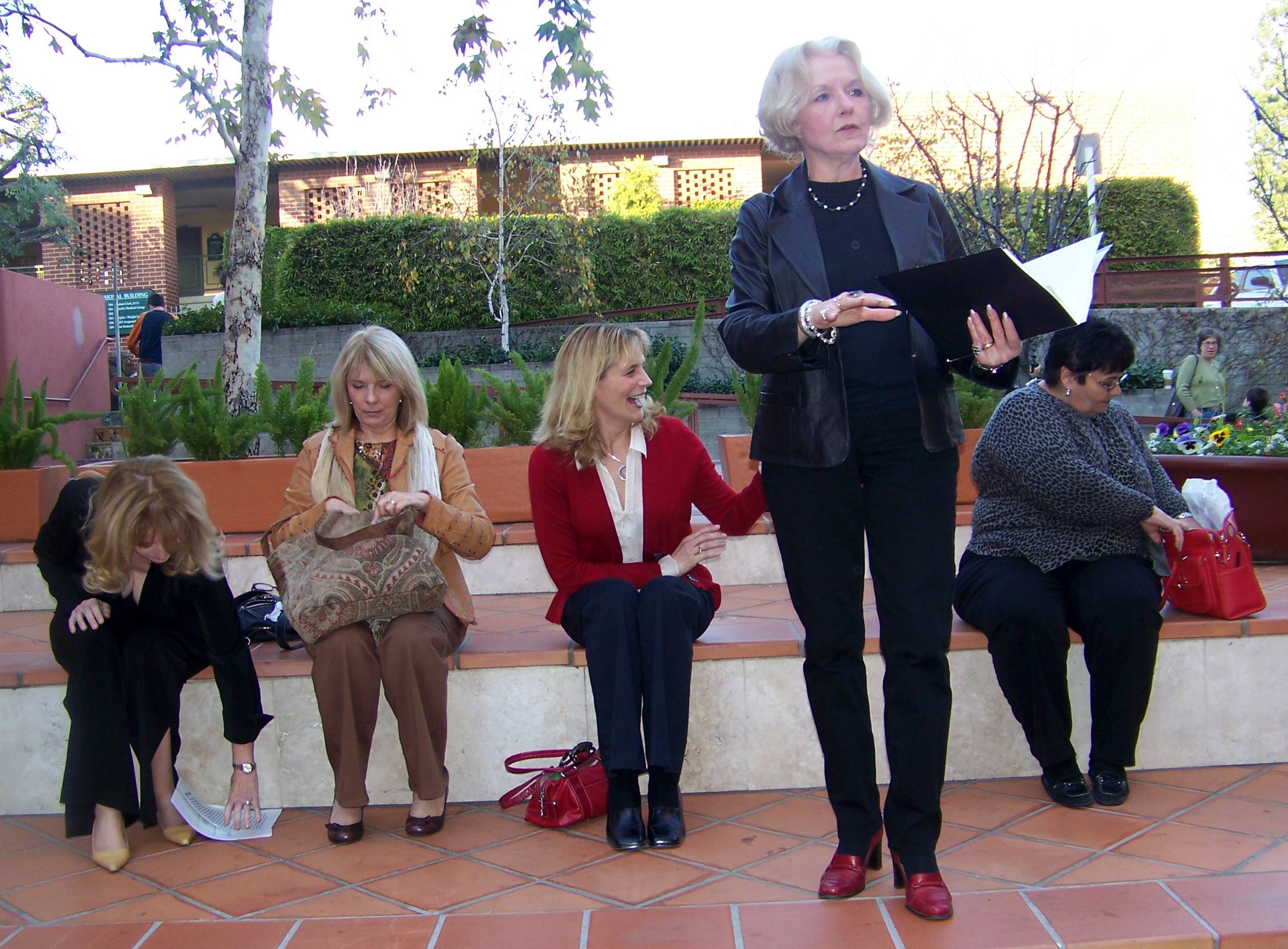
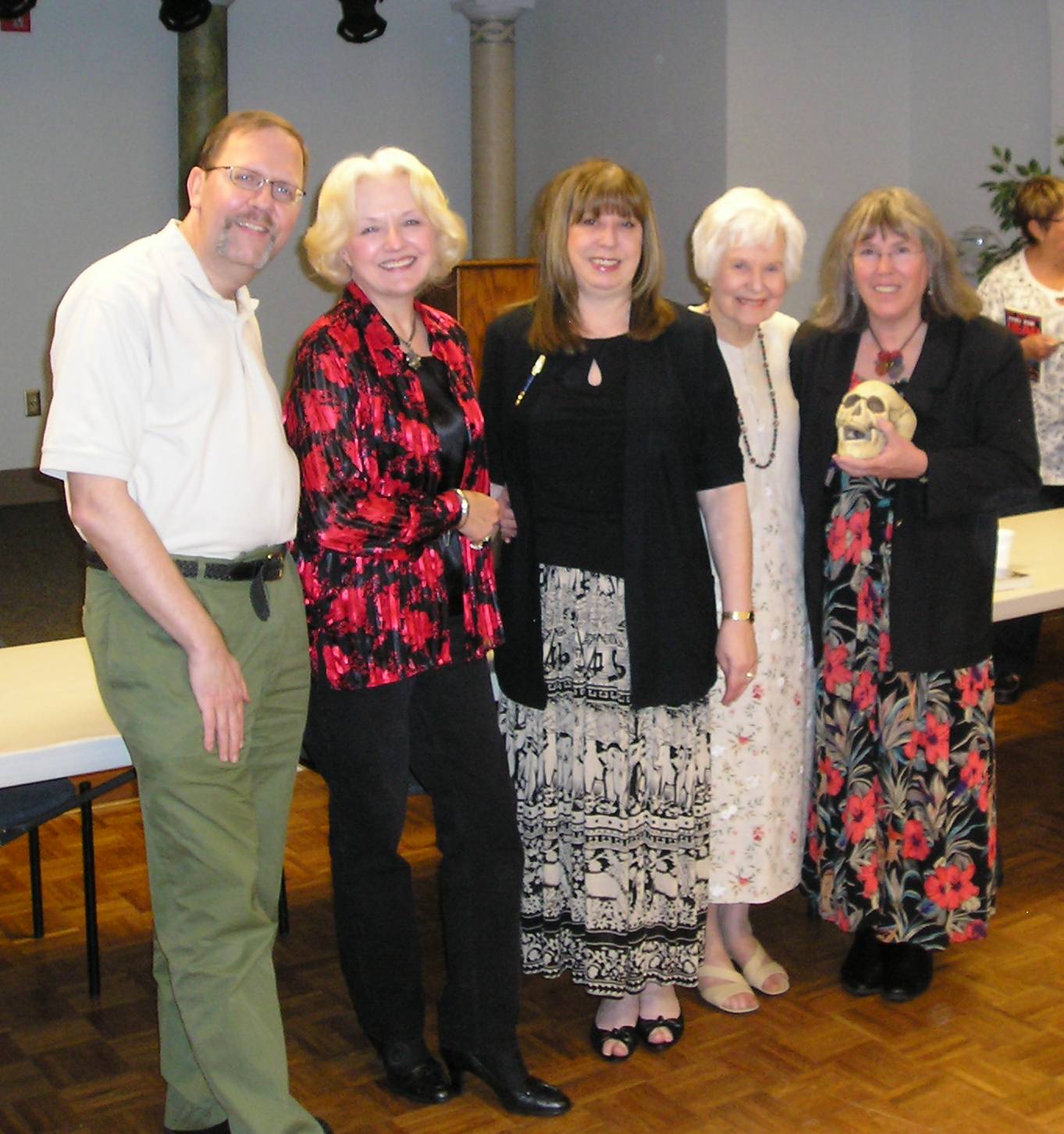
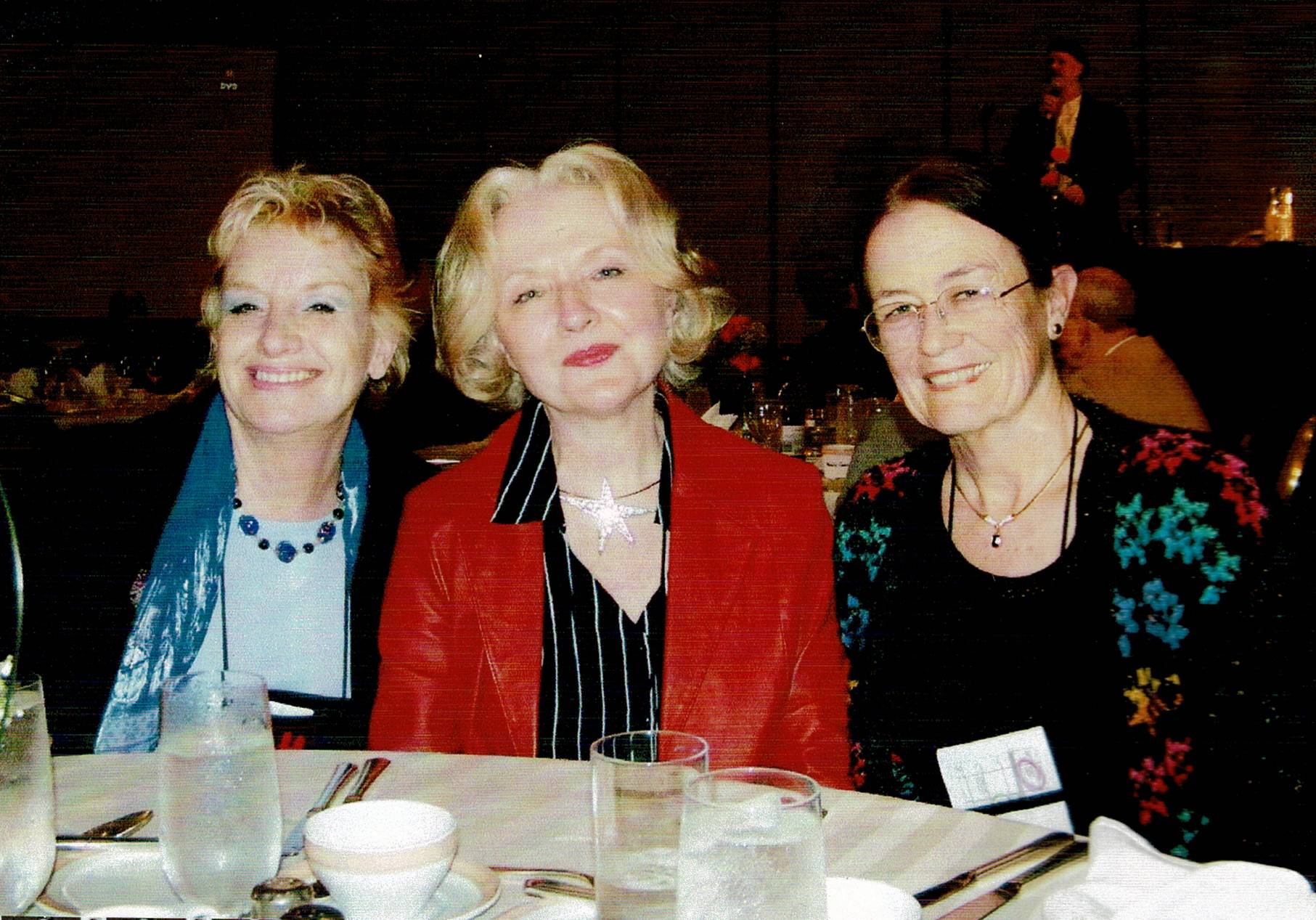
Here are a few of us Writers-in-Residence at one of the writers conventions.

Rosemary, me and Jackie

Left Coast Crime trio

Or how about one of the panels I put on at the Burbank Library. It was a Total Hollywood moment…And yeah, I had fun doing those events.

HollyGylB1236

Why write?

by Linda O Johnston

As I’ve said before, writers write. But why? 

I’m sure we each have our own reasons for wanting to write and to get our work out there in various ways for others to read. 

Sometimes it’s because we have things to say that we want the world to know about, right, you writers out there? That’s one reason I write. Anything good about dogs is best for me. 

But why else do I write? 

Well, it’s who I am. I started writing as a child. I even had a story about a couple of kids who got together to travel to see the world. My mother saved what I wrote, and I think I have a copy—although I’d have to hunt around to find it. 

And after? For one thing, I loved my English classes, learning spelling and grammar and how to write. I still have an affection for grammar, although it’s changed over the years. Who would have thought that? 

In high school, I got into advanced English. And then, when I went to undergraduate school at Penn State, I majored in journalism with an advertising option. That helped since I also did some writing and editing for my dad, who had an advertising and public relations agency, and I eventually became his employee. Before I became full-time there, I wrote articles for a small newspaper, making use of my undergraduate degree in journalism. But while I worked for my dad, I met the guy who became my husband and he got me interested in law school. And yes, although that involved a lot of reading and studying of law cases, there was writing involved there too. 

When I eventually started practicing law, I did write some legal briefs, then became a transactional attorney. And I’ve always said that contracts are just another form of fiction! 

As I practiced law and before, I also started writing actual fiction, and started getting it published–including winning the Robert L. Fish Memorial Award for the best first short story of the year for my first published story—and so it continued. 

Why? Because I loved it. Still do. I like trying different forms of fiction, though now I’m concentrating on romantic suspense and mystery. 

How about you? How and why did you start writing? Did you always like it? Do you like it now? 

Write on! 

LET GO AND LIVE….

by Rosemary Lord   


I went to the zoo. London Zoo. With my brother Ted. We took a picnic.

It was a lovely sunny day in May, shortly after my birthday, as we sat by the fountain enjoying our sandwiches. Just like we had done as small children – just yesterday!

Oh, the pleasure of revisiting such childhood memories.

Since then, the London Zoo has improved greatly, totally remodeled with expansive, imaginative new areas for the animals with the Global Wildlife Conservation programs. We saw the wonderful abandoned 1950s Indian railway station that is now The Land of Lions, complete with abandoned luggage, old handcarts and peeling, vintage Bollywood movie posters, to make these endangered Asiatic Lions feel they are still in Gujurat, India. The Sumatran tigers have their own roaming wilderness, as do the wild African rhinos. All endangered species, now thriving in this spacious conservation program. Even the butterflies have their own newly designed habitat. Each sanctuary was as fascinating as the last. It was an educational joyride.

Yes, I was in England visiting my family for the gathering of the Lord clan. After London, my siblings and I went back to the small fishing village in Greece that we’ve been returning to for several years. Not telling you where or it will get overrun with tourists! This is where we enjoyed leisurely dinners in the harbor, overlooking the small fishing boats. Souvlaki (chicken skewers) and moussaka still favorites – at around $14 a head including lots of wine and other dishes! We spoke of books and writers. We always come back to books and writers. Richard Osman’s Thursday Murder Club was much discussed as a well-thought-out Agatha Christie-style mystery. Also on the reading menu were Mick Herron’s Slow Horses, Victoria Hislop’s latest, The Figurine, and Sinclair McKay’s intriguing book about The Secret Life of Bletchley Park. I love those World War II books. And am fascinated to learn more about the young women at Bletchley Park, who, having signed the Official Secrets Act, never spoke of their heroic work.  

We wondered whether today’s kids will be as voracious readers as we were and still are…

We spent a couple of days in the delightful waterside town of Nafplio, an hour south of Athens. More delicious Greek food and friendly Greek hospitality.

Back in England, our wonderful, long-suffering brother-in-law, Peter, drove us to Broadstairs, in Kent – next to Ramsgate. What fun! It’s a lovely, old-fashioned ‘seaside’ town. It was one of Charles Dickens haunts. Bleak House stands on the top of the cliffs overlooking the expansive beaches. It’s a leisurely mix of old and new. The Edwardian and Victorian architecture, the Kent and Sussex painted wooden beach huts and wooden fishing and boat structures at the waters edge, unspoiled, next to charming new buildings. Beachside shops selling souvenirs, buckets and spades and saucy postcards. Fish and chips for lunch, of course. Perfect!

This was my much-needed escape from Hollywood and all the dramas of the Woman’s Club. To my jaded eyes, it seemed so much easier to be a writer in London now. Lots of cozy cafes in which to write the next best-seller and to swap literary tales with aspiring and established writers. They are everywhere in London.  Cafes and writers, that is. And there are endless magazines to read, too. Several have selections of short stories.  Where did the American writers’ magazines go?

And this time away gave me the chance to take a look at what I had been doing with my time and where I was going.

I read a piece by DJ Adams on ‘Letting Go of Expectations…’

She’s right.  As writers and artists – how perfect do we want to be? And who decides what is perfect? “To fully embrace your creative artists or muse,” she writes, “You must learn to let go. Let go of who you think you are, releasing your idea of what your creative gift is and what you expect to achieve. This is so contrary to everything we’ve been taught in order to be successful. So instead of holding on to who you think you are (noir novelist, oil paint artist, songwriter) stand back and observe your abilities. Just like our personalities are ever changing, so our muse has many faces. Our creative consciousness absorbs. Let yourself go. Experiment without considering the outcome. Stephen King said ‘Good writing is often about letting go of fear and affectation…’ Let go – to grow!”

Sounds good to me.

“It’s not where you start – it’s where you finish…” wrote Dorothy Fields, lyricist for the Broadway musical Seesaw, “It’s not how you go, it’s how you land.”

And Ralph Waldo Emerson put it another way: “Life is a journey, not a destination.”

And so, as I flew back to my Hollywood home, I thought a lot about those words.

I think many of us are still working with the adjustments forced on us by the Covid nightmare. And all of those challenges that crept up on us. Life is different now. Reading and writing habits have changed, too.

Now, I decided –  I wanna be FREE! I wanna be ME! I have so many untold books and stories in me, I feel I’m bursting at the seams. I gotta lotta writing to do!!

So, I’m ready for new horizons. I’m ready to let go. Not sure where or when. Not even sure who I am anymore. Just one big leap of faith into an amazing creative future.

Who do you think you are today? What do you expect of yourself? Or do you like where you are now? Eh?

HOW I FOUND MYSELF WORKING AS A WRITER IN RESIDENCE OF A HIGH-SECURITY MALE PRISON

by Hannah Dennison

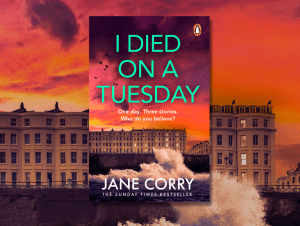
I’m excited to introduce our special guest today Sunday Times bestselling thriller author Jane Corry. As you’ll soon learn, Jane’s writer-in-residence experience is quite simply extraordinary.

Jane – welcome! 

My novelist career took off when I went from being a features writer on a well-known women’s magazine to prison.

I’m not joking. But I should add that I was a writer in residence at a prison rather than being a prisoner myself.

My story started the month I got divorced from my first husband after 27 years of marriage. Two weeks later, my weekly magazine column ended due to a staff shake-up. Although I had maintenance, I found myself in need of extra income in order to bring up my three children.

After moving house, my new neighbor suggested that I look in the papers for work. I hadn’t applied for a job for 27 years—I’d been a freelancer since my children were born. But there it was—an advert saying, ‘Wanted! A writer in residence of a high-security male prison.’

Frankly, I didn’t think I had a chance. After all, I didn’t have any experience of prison, either from the outside or in.  Indeed, the only crime I’d ever committed was to park on a double yellow line.

But the money they offered was exactly what I needed to pay my mortgage – to a penny.

My sister and friends didn’t think I should apply. In fact, they thought I was crazy even to consider it.  I was, as they pointed out, in a bad place emotionally. How was it going to help me to work in a prison? I like to think it helped both me and my students, but I’ll come onto that in a moment.

I was very surprised to get an interview and not at all surprised to fluff it up. The governor asked what I would do if a prison officer came into the room where I was running a writing class and told everyone to get out. I said that I would get them to stop in the middle of the sentence so it would make it easier for them to come back to it – it’s a good writing technique. He looked at me, his eyebrows raised. ‘And by that stage,’ he pointed out drily, ‘half the prison would have escaped.’

He had a point. From that moment, I relaxed because I knew I’d blown it. So you can imagine his surprise when he rang that evening and offered me the job.

On my first day, I was given the keys to the prison. To be precise, I was handed a key belt and told that I had to lock any doors that I unlocked and went through, otherwise I’d be out on my heels. I also had to make sure that I signed in every night and handed the key back.

My role was to be a sort of literary Pied Piper. I wasn’t part of the education department, where people had to come to my lessons. I had to woo them in through notices which I put up round the prison.  I printed them out with titles such as ‘Come and join my workshop to write a letter, novel, short story, life story.’

Life stories were particularly popular. I learnt more about crime than I care to talk about. I will say, however, that I was reduced to tears of shock and horror by one man’s story. He then apologized for upsetting me and I told him he should be apologizing to the people he had held up and threatened with death.

I entered his life story for the Koestler Awards, given to men and women for art and writing in prison and he won a silver. His behaviour immediately changed for the better and the guards said that it was due to his new-found story telling skills. He told me that if he hadn’t expressed his remorse on paper, he might have banged his head against the wall.

On the whole, I was treated very well in the prison, although there were times when I was scared. I was followed around at one point by a man who – when I looked up his crime – had tried to kill his girlfriend. I didn’t look up any crimes after that apart from the former accountant who had been a rapist. I don’t want to go into that. He seemed such a nice man.

One night, the governor asked if I would spend the night in the prison for a charity drive. I would have turned down the invitation but the money was going to help pay for my next year at the prison. So I felt obliged. It was terrifying being locked in. There was a bowl under the bed for my business. I spent all night typing. The gov had allowed me to bring my typewriter in. In the middle of the night, an officer knocked on my door and asked what I was doing. I told him I had permission to write and reluctantly he went away.

On other occasions, I brought in writer friends to talk, including Colin Dexter. The men asked him how he got his inspiration. He told them that it was a large bottle of malt whiskey. This didn’t go down well with the officers, but the men thought he was wonderful.

When I started my prison job, I was told that the men either spent their leisure  time in the gym or in the chapel. That stayed in my mind. Then as I walked past the gym, with sounds of machinery pounding, a title fell into my head. The Book Of Uncommon Prayer. So I asked both the men and the staff to write down sayings that helped them through life. I’d written something similar for the women’s magazine earlier. It seemed to go down well and also improve relations between some staff and men.

My two year contract was extended to 3 years. They then asked me to stay for a fourth but I thought that I might never leave. By then I’d got married again so I said goodbye but I volunteered to be a judge for the Koestler Awards and have done so now for the past ten years. Every summer, I go up to Wormwood Scrubs and leaf through entries. The winners’ work is displayed at the Southbank in London every autumn.

I gave up romantic fiction and began writing gritty suspense novels about families who’d been affected by crime, either as aggressors or victims. I changed agents and my new one sold me to Penguin. I’ve since had eight top ten Sunday Times best-sellers.

People sometimes ask if I miss my old life. Actually, it haunts me.  You can take the girl out of the prison. But you can’t take the prison out of the girl.

You can buy my new novel ‘I DIED ON A TUESDAY’ in supermarkets, shops and   https://bit.ly/3SE8UVi. Thank you. You can also find out more about my books at www.janecorryauthor.com,   

The book on Amazon

BRINGING CHARACTERS TO LIFE

by Miko Johnston

We can plot our stories well, describe settings vividly, and touch on all the senses, but the heart of any story is its characters, and they need more than a heart to make them come alive.

I began writing fiction, or more accurately, learning how to write fiction, while working in a library. It gave me access to numerous books and magazines for self-study. One book in the collection devoted a chapter to creating characters, complete with a checklist of traits and their opposites – outgoing vs shy; scholarly vs uneducated – from which the prospective writer could choose and assemble. I found the idea silly and worse, useless. Whether in my writing or my reading, I want characters to resemble real human beings, only more interesting than the average person. You can’t achieve that by compiling random parts. Just ask Dr. Frankenstein.

We’re told to have our characters want something and then keep it from them, make them fight for it. Good advice, crucial for plot. We must describe them with enough detail so the reader can visualize them; again, good advice. Backstories and bios, family and friends, strengths and flaws, jobs and hobbies or interests. How they dress. What and who they like or dislike. The dark secret in their past that drives them forward or holds them back. These big picture details lay a foundation for characters. However, it takes more to breathe life into them. Whether you call them quirks, idiosyncrasies or eccentricities, these subtle differences add a realistic quality to them.

Although our individual quirks may differ, we all have them, which makes this a commonality. In other words, a human trait.

Think of Robert Crais’ Elvis Cole and his affection for cartoon characters, the dry humor of Nelson DeMille’s John Corey, or the fussy Inspector Poirot and his eggs in Agatha Christie’s mystery series. Master art restorer Gabriel Allon inherited his talent, as well as trauma, from his Holocaust survivor mother. And while we naturally empathize with a blind girl like Marie-Laure in “All The Light We Cannot See”, the way she copes with it makes her mesmerizing.

There are two general types of quirks – nature and nurture. Nature includes those the character was born with, such as personality types or bio-physical traits like an intellectual disability or a club foot. A life experience, whether an acquired taste or an emotionally painful experience, would fall under the nurture category. In all cases, how the character has internalized the trait leads to the quirk.

Quirks have to be worked organically into the story. They shouldn’t be unrooted in the character’s history or biology. They should play a role in the character’s thoughts, emotions or actions. They need to be noticeable, but not too blatant; subtle, but not too vague. Readers need to discover them on their own by being shown the behaviors rather than being told about them.

A character’s quirks can be related to their physicality, the way they dress or groom themselves, their behavior or personality, or they can be completely random. Here’s one example: money. Most everyone I’ve met has a philosophy, or criteria, about what they’re willing to spend on something. They’ll be tight-fisted about some things and looser, even extravagant about others. What does it say about a character who’ll spend hundreds of dollars on tickets to the opera, a Broadway play, or the Superbowl, but won’t pay two dollars for a can of tuna in the supermarket unless they get a double-off coupon? Or worse, not buy it at all because they can remember when it cost thirty-nine cents? It says they’re “human”.

Ultimately, it’s not so much a matter of “what” a character does or doesn’t do, what they like or dislike, that makes them full-fledged humans. It’s the “why” that makes it interesting and brings them to life. Always listen to your character, for they’ll often tell you what’s right for them. For hints on this, see Gayle’s earlier post.

When treading the fine line between character and caricature, here’s what to avoid:

  • Cliched or overused idiosyncrasies. If I had a dollar for every alcoholic PI, or divorced or widowed detective, I could pay my cable bill for a year. If you’ve seen it before, add a new twist. If you’ve seen it over and over again, avoid it like the plague (humor intended).
  • An assemblage of unrelated quirks, as if selected from a list found in a book (jab intended). Author Rex Stout’s Nero Wolfe tends his orchids, reads voraciously, and feasts on gourmet food from the comfort of his luxurious home. The genius of his character is how all his passions connect.
  • Limit the number of quirks, or else – well, just ask Dr. Frankenstein.
  • Don’t overdo the ones you use. Quirks are like seasoning – you need enough to enhance the flavor without overpowering it.

If you found this post helpful, leave a comment, and feel free to contribute your suggestions for making characters come to life. Frankly, my ulterior motive in writing this comes as much from my goal to write books with believable and engrossing characters as my desire to read them.

Miko Johnston, a founding member of The Writers in Residence, is the author of the historical fiction series, “A Petal in the Wind”, as well as a contributor to several anthologies including the about-t0-be-released “Whidbey Island: An Insider’s Guide”. Miko lives in Washington (the big one) with her rocket scientist husband. Contact her at mikojohnstonauthor@gmail.com


Teach A Writing Class?

by Jill Amadio

Teach a writing class? I have enough trouble getting myself to work on my next mystery, of which I only have one-third finished. However, I am working full-speed on my new career as a writing coach.

Westport, CT has more than its share of elderly, I was told at the town’s country-club-style senior center where I use their gym. The executive director figured many of the members would love to write their life story if only they knew how.

Interesting, I thought, because I have been looking for a paying job. I’ve written four biographies under my own name and a few as co-author. My greatest contribution to assist another person’s attempt to get their autobiography on the page has been as a ghostwriter. I’ve written 15 for clients. This is the kind of book you can write with no repercussions tied your own fragile persona. No one can take pot shots at you for you putting on the published page swipes or dislike for certain relatives, remembered experiences that showed others as fools, or perhaps an opportunity to lay bare your absolute hatred of your cousin’s prize poodle. I do, however, urge a client’s caution and I try to appeal to their good nature, if they have one.

So, did I want to take up the challenge of teaching some old fogies like myself how to write their memoir? The idea appealed to me. I had never taught anyone anything in my whole life. Well, maybe a few table manners to my kids.   So, yes, I accepted the challenge to help anyone over 65 jot down their life story in presentable and publishable form.

Creating a curriculum was my first worry. What would I teach? The elements of style came immediately to mind. I’d want to know how to structure a book, create my personal style, and how to write down my thoughts and feelings.  I’d want to know how to describe places and people, events and experiences that had made up my world since birth, and was still occupying my psyche both physically and mentally.

For the first class I asked my students to create a Timeline, a list of each year of their life with a significant note, a few words, to mark why it was memorable.

I decided that handouts were important because I had always loved receiving them at writers conferences, so I found Rudy Vallee’s timeline I’d created back in 1989, as well as a champion cowboy’s timeline that chronicled his trek across America from coast to coast on horseback. One handout was a list of 106 descriptive verbs I’ve used for years.

In addition to the Timeline, I also mapped out writing techniques and elements for the following classes. In addition to Structure, Style, and Context I added how to write Characters, Flashbacks, Settings, Cliffhangers, Editing, Beginnings and Endings, Publishing, and Marketing.  I became so enamored of my advice I began to inspect my own WIP and made changes. I dredged up a few tips and notes I’d taken at various conferences and thus was able to flesh out my curriculum.

An observation about the students. They were exreremely keen to learn how to write their memoirs. It was clear some of them had been thinking about writing such a tome for a few years but had no idea how to go about it. By the homework I gave them, i.e. the Timeline, they returned to class time and time again more enthusiastic than ever. I told them to always interrupt me any time with questions, hoping that my fear they’d forget them before the end of class was not apparent.

Among these senior students, limited to 12,  were a school bus driver, a poet, an attorney, an ad saleswoman, a lady from Germany who escaped the Nazis, a couple of teachers, a financier, and an accountant. One gentleman dropped out after lesson #2 because he said now that he was about to describe his life he found it too painful to do so. Another gentleman said he doubted he would continue because as a reporter he was trained to write lean, and that was the antithesis of writing a book. I told him I’d initially experienced the same hesitation when I was first approached about ghostwriting. My editor at the magazine I wrote for said that a CEO had called asking for a referral to a writer for his business book. Before calling him back with a recommendation she sked me if I’d be interested.

“A book? A whole book? No way!” I said.  “I enjoy writing the 3,000-word articles for the magazine but 70,000 words? Forget it.”

“Think of it this way,” the editor said. “Approach each chapter is an article. And the pay is really good.”

“Oh. Okay, I’ll do it.”

After that first book I received many referrals and became a ghostwriter, a few people contacting me through my website, www.ghostwritingpro.com.  One client, a banker, asked me to ghostwrite her novel about a financial fraud.

“Hmm,” I said. “Sounds a bit boring. How about we add a murder to spice it up?”

“Yes! How many murders can we have?”

The publishing of that book inspired me to create my own Tosca Trevant mystery series while I continued to ghostwrite as my main source of income.

Back to my seniors’ class. The atmosphere was informal, friendly, and focused. I showed them several of my memoirs, and said that although we only had eight hours in total with which to cover the subject, at least it would get them started thinking and planning.

By lesson #4 we all felt comfortable with each other reading aloud the homework. One lady was writing her memoir only for her grandchildren and refused to share with us but everyone else was eager for everyone’s critique. The lawyer fella incorporated funny poems into his memoir, and someone else brought us to chuckles with her descriptions of working in a donut shop as a teenager. The German lady brought us to tears with her childhood memories of fleeing the Nazis

That first 8-hour course was popular enough to be repeated, and later in the spring I shall be teaching How to Write a Short Story or Essay. Luckily, when I lived in Laguna Woods, California, several of my stories were published in the community’s anthologies over the years although I can’t remember ever writing an essay. Tips for my seniors, anyone?

Teaching a Writing Class?

by Jill Amadio

Teach a writing class? I have enough trouble getting myself to work on my next mystery, of which I only have one-third finished. However, I am working full-speed on my new career as a writing coach.

Westport, CT, has more than its share of elderly, I was told at the town’s country-club-style senior center where I use their gym. The executive director figured many of the members would love to write their life story if only they knew how.

Interesting, I thought, because I have been looking for a paying job. I’ve written four biographies under my own name and a few as co-author. My greatest contribution to assisting another person’s attempt to get their autobiography on the page has been as a ghostwriter. I’ve written 15 for clients. This is the kind of book you can write with no repercussions tied to your own fragile persona. No one can take potshots at you for you putting on the published page swipes or dislikes for certain relatives, remembered experiences that showed others as fools, or perhaps an opportunity to lay bare your absolute hatred of your cousin’s prize poodle. I do, however, urge a client’s caution, and I try to appeal to their good nature if they have one.

So, did I want to take up the challenge of teaching some old fogies like myself how to write their memoirs? The idea appealed to me. I had never taught anyone anything in my whole life. Well, maybe a few table manners to my kids.  So, yes, I accepted the challenge to help anyone over 65 jot down their life story in presentable and publishable form.

Creating a curriculum was my first worry. What would I teach? The elements of style came immediately to mind. I’d want to know how to structure a book, create my personal style, and how to write down my thoughts and feelings.  I’d want to know how to describe places and people, events and experiences that had made up my world since birth and were still occupying my psyche both physically and mentally.

For the first class, I asked my students to create a Timeline, a list of each year of their life with a significant note, and a few words to mark why it was memorable.

 I decided that handouts were important because I had always loved receiving them at writers’ conferences, so I found Rudy Vallee’s timeline I’d created back in 1989, as well as a champion cowboy’s timeline that chronicled his trek across America from coast to coast on horseback. One handout was a list of 106 descriptive verbs I’ve used for years.

In addition to the Timeline, I also mapped out writing techniques and elements for the following classes. In addition to Structure, Style, and Context, I added how to write Characters, Flashbacks, Settings, Cliffhangers, Editing, Beginnings and Endings, Publishing, and Marketing.  I became so enamored of my advice I began to inspect my own WIP and make changes. I dredged up a few tips and notes I’d taken at various conferences and thus was able to flesh out my curriculum.

An observation about the students. They were extremely keen to learn how to write their memoirs. It was clear some of them had been thinking about writing such a tome for a few years but had no idea how to do it. By the homework I gave them, i.e. the Timeline, they returned to class time and time again more enthusiastic than ever. I told them to always interrupt me any time with questions, hoping that my fear they’d forget them before the end of class was not apparent.

Among these senior students, limited to 12,  were a school bus driver, a poet, an attorney, an ad saleswoman, a lady from Germany who escaped the Nazis, a couple of teachers, a financier, and an accountant. One gentleman dropped out after lesson #2 because he said now that he was about to describe his life, he found it too painful to do so. Another gentleman said he doubted he would continue because as a reporter, he was trained to write lean, and that was the antithesis of writing a book. I told him I’d initially experienced the same hesitation when I was first approached about ghostwriting. My editor at the magazine I wrote for said that a CEO had called asking for a referral to a writer for his business book. Before calling him back with a recommendation, she asked me if I’d be interested.

“A book? A whole book? No way!” I said.  “I enjoy writing the 3,000-word articles for the magazine, but 70,000 words? Forget it.”

“Think of it this way,” the editor said. “Approach each chapter as an article. And the pay is really good.”

“Oh. Okay, I’ll do it.”

After that first book, I received many referrals and became a ghostwriter. A few people contacted me through my website, www.ghostwritingpro.com.  One client, a banker, asked me to ghostwrite her novel about financial fraud.

“Hmm,” I said. “Sounds a bit boring. How about we add a murder to spice it up?”

“Yes! How many murders can we have?”

The publishing of that book inspired me to create my own Tosca Trevant mystery series while I continued to ghostwrite as my main source of income.

Back to my seniors’ class. The atmosphere was informal, friendly, and focused. I showed them several of my memoirs and said that although we only had eight hours in total with which to cover the subject, it at least would get them started thinking and planning.

By lesson #4, we all felt comfortable with each other reading aloud the homework. One lady was writing her memoir only for her grandchildren and refused to share it with us. But everyone else was eager for everyone’s critique. The lawyer fella incorporated funny poems into his memoir, and someone else brought us to chuckles with her descriptions of working in a donut shop as a teenager. The German lady brought us to tears with her childhood memories of fleeing the Nazis

That first 8-hour course was popular enough to be repeated, and later in the spring, I shall be teaching How to Write a Short Story or Essay. Luckily, when I lived in Laguna Woods, CA several of my stories were published in the community’s anthologies over the years, although I can’t remember ever writing an essay. Tips for my seniors, anyone?  

.

Jill’s article was posted by Jackie Houchin

Writing About Bloodhounds & Pet Detection

Guest post by Landa Coldiron

I’m a Bloodhound Handler. I’ve been using my bloodhounds to find lost pets for 18 years.

I recently had a book published by Austin Macauley about my work as a pet detective. It is a work of ‘faction,’ as I like to call it. Some stories are true, some are fiction, and some are combined (real and made up).

It is titled ‘The Bloodhound Handler—Book One: Adventures of a Real-life Pet Detective.’ Like people, in search and rescue, search dogs are used for a direction of travel that can locate the pet, provide evidence, clues, and eyewitnesses, and /or target a search area where resources can be deployed.  In my book, I wrote about these abilities in stories, using the character Kalinda Dark as me.

My book is currently available on Amazon as a paperback or Kindle. It is a great action adventure with some mystery and has had many positive reviews. It has also been featured at Barnes & Noble.

I wrote the book a few years ago after my first bloodhound, Ellie Mae, died. She was young, and it took me by surprise. I knew I had to write about her and our life together.  Ella Mae won the 2011 California Veterinary Medical Association Animal Hall of Fame award for her work in finding lost pets.

Writing The Bloodhound Handler book took me three years of writing every day and another two years of rejections. Finally, I got an offer from a publisher!

The book also contains stories about Glory, my second bloodhound. She won the American Humane Search Dog of the Year in 2015. It was a national award over a weekend at the Beverly Hilton. Many celebrities were in attendance. Glory won over 500 other dogs in the category.

We were also flown to Washington, DC, to speak in front of a small congressional hearing on the lost pet problem in America. You can search her name on YouTube under American Humane, and you will find her story. It is really something. Glory has a Facebook following of over 16,000 people!

Thanks to anyone who supports my book. If you are an avid Kindle reader it is only $4.50 and even has colored pictures.

#

Landa Coldiron is a two-time award-winning bloodhound handler in Los Angeles. Her website and Facebook are Lost Pet Detection, and her Instagram is @thebloodhoundhandler.

###

NOTE from Jackie: I knew and wrote about Landa for a newspaper when I lived only blocks from her in Shadow Hills. I was privileged to watch Ellie Mae in action and learn about what pet owners can do when their pet goes missing. (The book covers this too.) 

Landa has also owned and trained Cadaver Dogs for her work. 

The Bloodhound Handler book is a fascinating read. It follows cases of lost (or stolen) pets from the first panicked telephone call through the process to the ending, which is sometimes joyous and thrilling and sometimes disheartening. One case toward the end of the book involves a missing dog and little girl and reads like it was “ripped from the headlines.” I enjoyed it very much.

A Woman in Journalism – Nellie Bly

by Jackie Houchin

(Note to self: Use this article as a base – review two books written about her – “Ten Days In A Madhouse” and “Nellie Bly & Investigative Journalism for Kids.”  Fill in info from other sources, use the three photos (her in 1890 and the book jackets.) )

Eighteen-year-old Elizabeth Cochrane was living in Pittsburgh when the local newspaper published an article titled “What Girls are Good For” (having babies and keeping house was the answer, according to the article). The article displeased Elizabeth enough that she wrote an anonymous rebuttal, which in turned so impressed the paper’s editor that he ran an ad, asking the writer to identify herself.
When Elizabeth contacted him, he hired her on the spot. It was customary at the time for female reporters to use pen names, so the editor gave her one that he took from a Stephen Foster song. It was the name under which she would become famous—Nellie Bly.
Bly’s passion was investigative reporting, but the paper usually assigned her to more “feminine” subjects—such as theater and fashion. After penning a controversial series of articles uncovering the working conditions of female factory workers, and subsequently being assigned once more to cover society events and women’s pastimes, at the age of 21, Bly embarked on a hazardous and unprecedented (for a woman) mission to Mexico to report on the living conditions of the working-class individuals there.
After her reporting got her in trouble with the local authorities, she fled the country and later published her dispatches into a popular book.
At age 23, having established a reputation as a daring and provocative reporter, Bly was hired by Joseph Pulitzer’s New York World and there she began the undercover project that made her famous. In order to investigate the conditions inside New York’s “Women’s Lunatic Asylum,” Bly took on a fake identity, checked into a women’s boarding house, and faked insanity—so convincingly that she soon found herself committed to the asylum.
The report she published of her ten days there was a sensation and led to important reforms in the treatment of the mentally ill.
The following year Bly undertook her most sensational assignment yet: a solo trip around the world inspired by Jules Verne’s Around the World in 80 Days. With only two days’ notice, Bly set out on November 14, 1889, carrying a travel bag with her toiletries and a change of underwear, and her purse tied around her neck.
Pulitzer’s competitor, the New York Cosmopolitan, immediately sent out one of its reporters—Elizabeth Bisland—to race Bly, traveling in the opposite direction. As Pulitzer had hoped, the stunt was a publicity bonanza, as readers eagerly followed news on Bly’s journey and the paper sponsoring a contest for readers to guess the exact time of Bly’s return (with the correct guess winning an expense-paid trip to Europe).
Seventy-two days later, Bly made her triumphant return (four and half days ahead of Bisland), having circumnavigated the globe, traveling alone almost the entire time. It was the fastest any human had ever made the journey. Nellie Bly was an international celebrity.
At age 31 Bly married industrialist Robert Seaman, a 73-year-old millionaire, leaving behind her journalism career and her pen name. As Elizabeth Cochrane Seaman she helped run the family business. She patented two inventions during her time as an industrialist, but business was not her really in her skillset and under her leadership the company went bankrupt.
When World War I broke out, she returned to journalism, becoming one of the first women reporters to work in an active war zone.
Nellie Bly’s remarkable life ended on January 27, 1922,  when she died of pneumonia in New York at age 57.