We are a group of published writers who come here weekly to entertain, inform, and encourage you in your writing and your reading journey. Grab a cup of coffee, get comfortable, and join us.
Author: gbpool
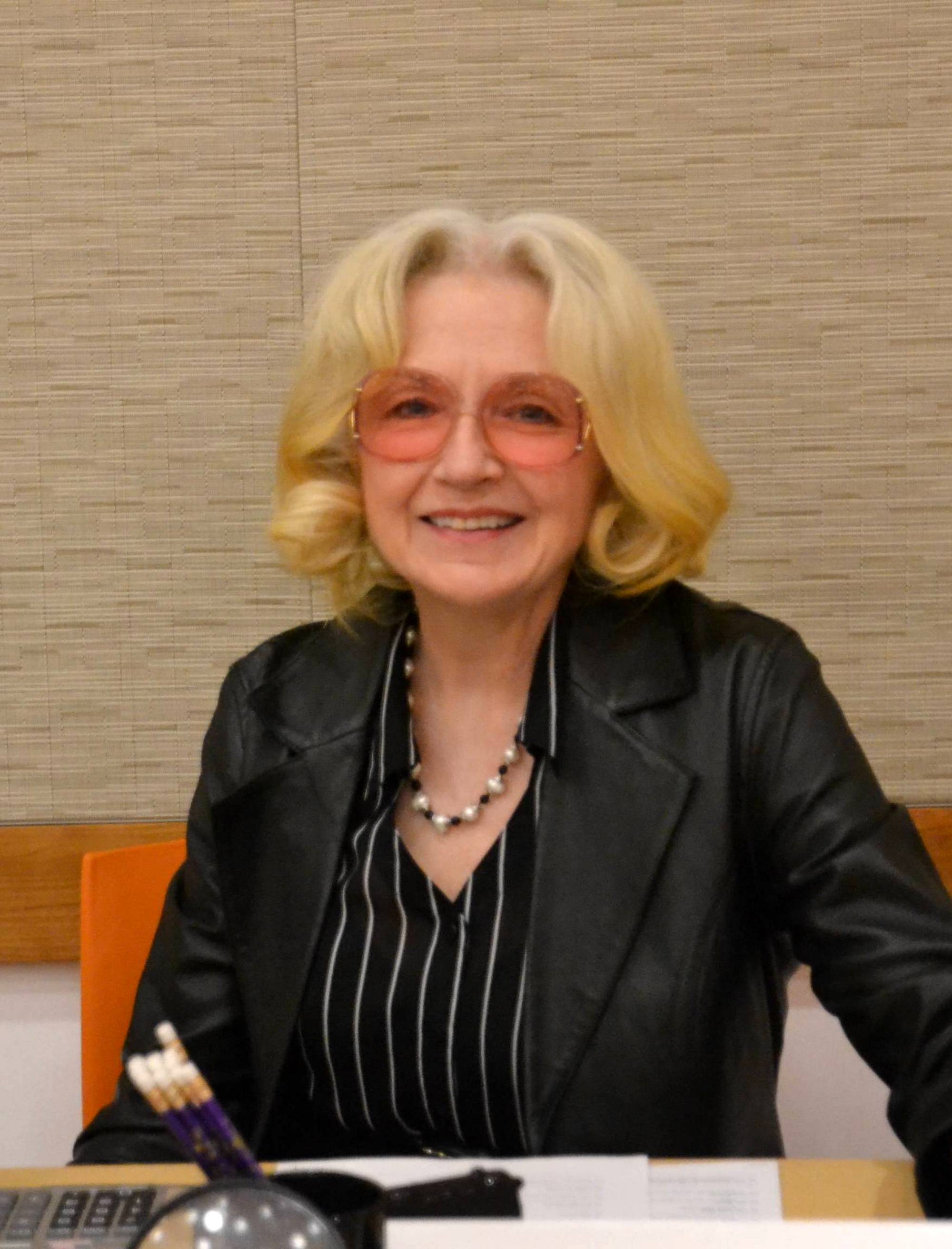
A former private detective and once a reporter for a small weekly newspaper, Gayle Bartos-Pool (writing as G.B. Pool) writes three detective series: the Gin Caulfield P.I. series (Media Justice, Hedge Bet & Damning Evidence), The Johnny Casino Casebook Series, and the Chance McCoy detective series. She also penned a series of spy novels, The SPYGAME Trilogy: The Odd Man, Dry Bones, and Star Power. She has a collection of short stories in From Light To DARK, as well as novels: Eddie Buick’s Last Case, Enchanted: The Ring, The Rose, and The Rapier, The Santa Claus Singer, and three delightful holiday storied, Bearnard’s Christmas, The Santa Claus Machine, and Every Castle Needs a Dragon. Also published: CAVERNS, Only in Hollywood, and Closer. She is the former Speakers Bureau Director for Sisters in Crime/Los Angeles and also a member of Mystery Writers of America and The Woman’s Club of Hollywood. She teaches writing classes: “Anatomy of a Short Story,” (The Anatomy of a Short Story Workbook and So You Want to be a Writer are available.) “How To Write Convincing Dialogue” and “Writing a Killer Opening Line” in sunny Southern California. Website: www.gbpool.com.
Ideas for stories come from everywhere whether it’s a person, a memory, a trip, a news article, an object or a picture. Something triggers a writer’s imagination and a story starts to form. Every short story or novel I ever wrote came from something I came across in my life. My three Christmas novels are no exception.
Bearnard’s Christmas was the first one. Many years ago I worked at a miniature store in California. It was one of the first of its kind in the country and the owner had a great store. She also had a holiday shop in a backroom off the open patio. We did Easter, Halloween, and most of all, Christmas. I could buy Santas for my budding collection wholesale which helped my bank account, but we also went to the Rose Bowl in Pasadena when they had their monthly swap meet. I could get Santas for $.50 to $1.00 way back then.
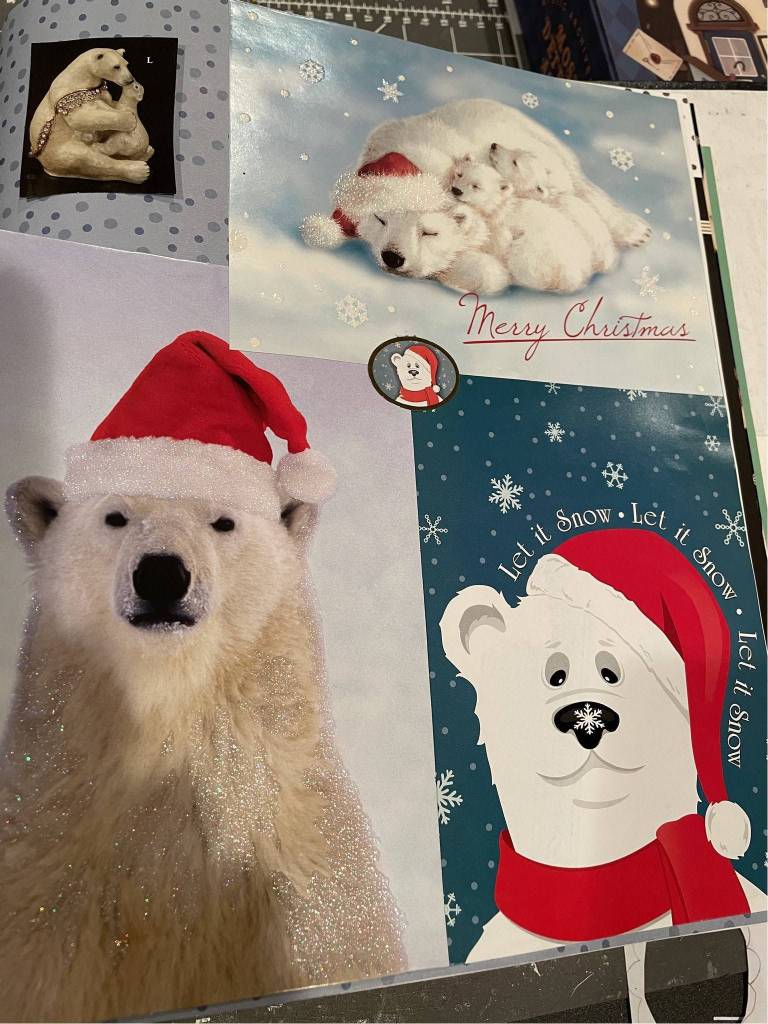
But Kay Kelley also had Christmas cards. I remember seeing one with a Polar bear in a Santa hat. Bing! That got me thinking about a story about this Polar bear who helps Santa and a lady who just happened to collect dollhouses who ends up at the North Pole one Christmas Eve and helps both Santa and Bearnard, the Polar bear.
Now, on my salary, I couldn’t afford to buy a dollhouse, much less a castle, but I could sketch one out that fit my story. Then I started writing that story. A few years later the shop closed and I had to find another job, but I finally found a new one that paid more in salary and I also met and married my wonderful husband, Richard. Within a few years I could buy a dollhouse kit or two, but my story was about a castle.
By then, I had written my story, but I figured I should build the castle to go with it. I did. And I fashioned the characters in the story out of clay and took pictures of everything for my book. Eventually I got the book published.
OLYMPUS DIGITAL CAMERA
Then I saw this Christmas card with a mechanical Santa. Bing! Another idea popped into my head. What if Santa had mechanical likenesses of himself made that could be sent around to stores so his favorite stories could be told to children in his own voice? Santa has his elves make a few mechanical Santas, but a bad guy has them reprogrammed to tell kids to demand more and more toys. What is Santa to do? The Santa Claus Machinetells that story.
A few years later I happened to find this dragon ornament at the hardware store. He was just a little guy, but cute. While I was walking one of our dogs one day, I happened to spot one of those stretchy things girls use for their ponytails on the sidewalk. It was sparkly and just fit around the little dragon’s neck like a Christmas wreath. I slipped it on him and then took him upstairs where the Santa Castle was sitting. I placed the dragon on the roof and said: “Every Castle Needs a Dragon.” Bing! Guess what the name of the third book is?
A Christmas card or two, an ornament, and some imagination provided me with three story ideas and three books. Ideas do come from those things. But there is another holiday story that I wrote that had its own origin.
After the miniature store closed, I got a job at two stores in the Glendale Galleria before I got the better job at a bank. First, it was in a card store and then a bookstore. Both had their moments, but at the mall during the holidays, they had a Santa Claus. We’ve all seen them at stores as we were growing up. Well this guy was a neat Santa, but when kids weren’t around he sang. He had a microphone and he would entertain us with all kinds of songs. Bing!
I moved my singing Santa to Las Vegas where he started out as a lounge singer in really small places, but his agent, just an employment agency guy, gets him a job as a Santa in a mall during the holidays. He meets this little girl with an illness who needs some help and this Santa has to decide between his career and this kid. A few things pop up to let him know what life is all about and he makes his decision. This book is called The Santa Claus Singer.
(All books are available on Amazon.)
So ideas come from everywhere. It just depends on what you do with those ideas that determines if you get a story out of it. Write On!
We’ve all done it… Time Travel, in a book. Or maybe in a flight of fancy or even in a dream. But it’s that journey we get from a novel that interests me as a writer. I wouldn’t have thought about it had I not been reading a book by a favorite author. It was published in 1992. The title of the book and the author aren’t necessary to mention because I like him too much and obviously the publisher and booksellers and fans at the time weren’t thinking about how the book would be received in the future more than thirty years later. But I’m thinking about it now after I had finished some eight chapters of the best seller.
On almost every page there was a reference to a political figure of the time, a current joke going around, or a character in a popular television show or movie. I knew what the author was talking about, but I can bet quite a few of the people in the generation right behind mine wouldn’t understand half of the comments and people in Gens X, Y, Z or whatever young people are calling their particular era now wouldn’t have a clue to what was being said.
I personally can testify that 90% of the current actors, movies, on-line places one would go to be “entertained” or God forbid, enlightened, don’t mean anything to me today. I haven’t read a book written by the younger generations, at least those in their 30s or 40s, if they have ever written a book. Since many high school and even college graduates aren’t exactly proficient in writing our language or maybe even their contemporary slang, maybe there is nothing to read from their generation anyway.
Am I cynical? Yes. Should I be? Yes… and No. I have to be cynical when I see news stories that show some areas of the country have entire school systems with zero kids graduating who can read or do math. And No, it’s not cynical to want the country to do a better job educating our kids so they can write a book, much less read one and to know that 2 and 2 equals four, not five. (There’s a reference there if you care to look it up.)
But there have been books written by older contemporary authors who do a great job writing about bygone eras. How do they do it? They give the reader a nice history lesson along with the story. Their research lets us see what Jolly Old England looked like over two hundred years ago or other places in history. If they do a good job, the reader can “figuratively” walk down a street in London during Sherlock Holmes’ time or Berlin during World War II and see how people lived back then. The scenes are as much of the story as the plot and the characters and the reader gets to learn a little something along the way. Even in science fiction novels we can see the “future” through the writer’s eyes. That’s always fun.
But in a contemporary novel, what if every humorous or “ripped from the headlines” comment mentioned is so obscure the reader thirty-forty years hence won’t understand any of it? When I wrote my three spy novels covering the time from the Second World War up until the early Nineties, I understood the eras, but I had seen a lot of movies made during the war, read quite a few history books on the topics I was covering, and lived through the fifty-plus years after the war. I have to hope they still show some of those great movies made during that time period so future readers have a chance of understanding parts of that history in my books.
But what does a writer do now? Continue dropping current events into their stories just for current readers? How did Arthur Conan Doyle manage to write a story that has lasted through the ages? Even if you never saw the dozens of movies and television series based on his Sherlock Holmes character, the stories are still totally understandable. One thing I can say, he didn’t drop tons of humorous quips into the mix.
When I write a story told in the First Person, the character, if it’s a male, doesn’t have the opportunity to wax eloquently about the surroundings other than a casual mention. Perhaps a woman would comment about the furniture or wallpaper in a room or the fabric in a dress someone wore, but guys usually don’t do that if the story is in First Person. The book I was reading by that famous author wrote in Third Person and did drop in lots of references about everything: clothes, gadgets, politics, movie stars and other current events. My characters, whether it’s a guy or a gal, will often drop a clever remark about something reminding them of a television show or movie, but after reading the book that opened this article, I might not do it as much unless I give a few more details about the show I’m referencing.
I have actually watched reruns of a few television shows done maybe ten years earlier from this current time, but ones I had not watched when they were new, and even in those shows there were one or two references that I didn’t understand. Maybe that’s because I stopped watching television about twenty years ago and haven’t been to a movie in about thirty years. I can’t say it’s my loss, because when I have tried watching a few TV series that I missed when they were new, but was watching them in reruns, they weren’t very good and I stopped watching. To be honest, there have been a few movies and TV series I have watched on television done over these past 20-30 years that weren’t bad. Mostly science fiction or adventure: Galaxy Quest, Star Wars, The Mummy.
But if I want my books readable for a younger audience even when they get into their forties, what do I need to do? Watch contemporary stuff and try to mimic it? I don’t think that’s going to happen. But I will cut down the clever references to favorite television shows and old movies because a whole lot of those particular shows might never be shown again. The future’s loss. Or, perhaps, I will try to explain the reference to the show so even a space alien would understand it. That might work.
As often happens when I’m writing an article or even a book, I will have watched a movie that is pertinent. In this case it was Demolition Man starring Sylvester Stallone and Wesley Snipes. The movie was made in 1993, but the opening scene is supposed to be in 1996, when two guys, a rogue cop and a psychopath, lock horns, cause chaos, and as punishment are frozen for over thirty years for their deeds, but when Snipes is thawed out in 2032, he escapes and starts causing mayhem, but since the “new world” is supposedly crime free, they need to thaw out Stallone so he can catch the bad guy since nobody in this “future” knows how to deal with a criminal.
It’s a fun plot. But in the future, 2032, which is only ten years from the time of this writing, 2023, things are different from the world back in 1993 when the movie was made. But even though the writers of this movie were making up what the future would look like, they hit a few nails on the head. Nobody used cash anymore. Everything was credit card so your every move was watched by “Big Brother.” Another thing that hit me was a word one of the characters used: TikTok. That app didn’t raise its head until 2021. The new society around Los Angeles where the movie takes place had been devastated by an earthquake and this new, non-violent society, emerged where they banned everything and controlled everybody except for the underground rebels who try to get the world back to reality.
Even though the plot was eerily reminiscent of books like 1984 and Brave New World and Fahrenheit 451, most all of the references were familiar to me, but I wonder if younger folks will get the joke about the Arnold Schwarzenegger Presidential Library or even the underlying theme of Big Brother.
So what words or themes or references do writers use that will make it into the future? Should we care? As for caring, of course we should care. Books are what people use to learn things and understand what happened in the past. Movies are those same words in picture form. Are you familiar with the phrase: A picture is worth a thousand words?
But maybe when we write those words we should make sure we don’t overdo it. The book I read by that very famous author had way too many references to current events of his time and they got to be problematic after a while because I was wondering if folks in the future would understand any of them. But since we do have the Internet that allows readers to look up a name or TV show from the past or a fun quote from somewhere in history, maybe the readers in the future will look up a few of them if they want to be enlightened. Maybe they won’t call it the Internet in the future, but if there is a way to learn things, writers might use a few fun facts. Now we just have to make sure people in the future can read…
WRITE ON!
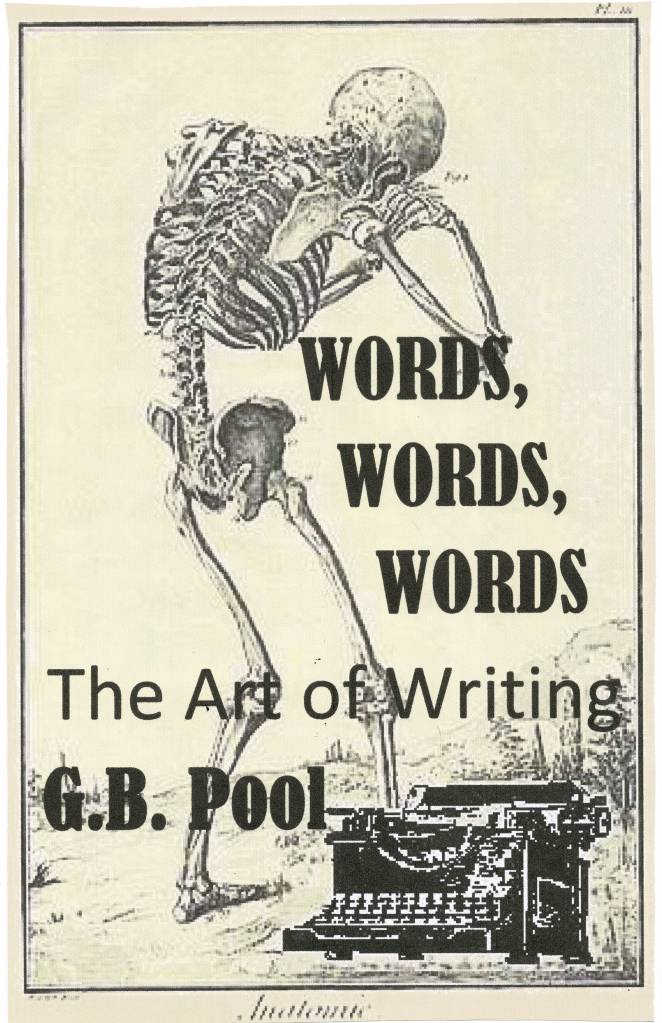
(This article and several others from The Writers-in-Residence blog written by G.B. Pool are in her latest book, Words, Words, Words – The Art of Writing, available on Amazon.)
My apartment smells of burnt candle wick. That’s because the power keeps going out and I’ve been lighting candles everywhere on and off for the past few days. And the power always seems to go out again just as it’s getting dark… Most inconsiderate.
How is that whenever there’s a bit of rain, L.A. comes to a standstill? Drivers go crazy. The local media gets very dramatic. Noah, get out your Ark! They should try living in England, where downpours are the norm, sometimes for days on end, and snatched golden sunny days are relished and worshipped.
So, I’ve been scribbling like mad – with my trusted pencil and yellow pad, in the candlelight, to finish this blog. Research was challenging, as I couldn’t recharge my laptop or phone to get online. But I can still use my dog-eared Oxford English Dictionary given to me by a late and very dear friend, writer Gerry Davis – of Dr. Who, (he created the Cybermen) Doomwatch, Final Countdown fame. I was then a working journalist, so I didn’t consider myself a ‘proper’ writer. He often offered to help me with a novel I was writing at the time. But this foolish, pigheaded girl was too embarrassed to show Gerry her amateur attempts at writing. Boy, do I regret that now!
But I digress.
Writing is, of course, my ‘go to’ thing when things get tough. I write down my thoughts – and solutions. I cheer myself up by writing down affirmations. Of things I want and how I want my life to be. It really does feel good to do this. And I always write, ‘thank you,’ at the end. Because I was brought up to say please and thank you! I write the same wish repeatedly. Pages and pages of the same sentence over and over. (A bit like the schoolteacher telling you write one hundred time, “I must not talk in class”! But more fun!)
In one of my recent decluttering binges I came across a large notebook from several years ago, when I was still pursuing an acting career. Rick and I were struggling financially, so I wrote I Now Have Tons of money. I Now Have Tons of Money. (I tend to capitalize a lot!) Pages and pages of I Now Have Tons of Money.
I had obviously put it aside and moved on to something new. Probably I am now a published author. I am now a published author…
But all these years later, when I discovered those handwritten affirmations, I stopped. And grinned. And remembered. About a year after I’d written those particular repeated affirmations over and over and over, (then forgotten all about them – until their recent discovery) I was cast in one of the leads in a revival of a 1920’s comedy at the local Richmond Shepherd Theatre in Hollywood. Guess what the play was called?
Tons of Money! I kid you not! We had a great run, got terrific reviews, and it led to other bigger roles.
So, I am a firm believer of writing my affirmations each morning. I am just more careful with the wording of my affirmations because I know they worked!
Okay – the power has just come back on again. Now, where was I….
“I write because I want to have more than one life,” Novelist Anne Tyler was quoted as saying. “Writing is our opportunity to peek into other people’s lives,” – or create other lives.
I’ve just started reading “How To Write a Mystery,’ a handbook from the Mystery Writers of America, edited by Lee Childs. Anne Tyler and several of our fellow writers contributed articles.
Our local writer, Naomi Hirahara, has had her first successful novel, The Summer of the Big Bachi published in 2003. It was the first in a series of mysteries about an ageing Japanese-American Gardener, Mas Arai, who became an amateur sleuth. She’s had over 20 more published novels since then and gave a terrific workshop at a recent Writers’ Conference on how her road to publishing success – and the failures along the way.
In this book, she writes about the accidental detective, the amateur sleuth. She says that no other genre reveals more about the writers’ inner life – or their personal life. Especially, new writers create amateur sleuths with a background familiar to the writer- similar to themselves or someone in their lives.
Beth Amos likens the suspense buildup in mystery writing to a roller-coaster: first the build-up, then the exciting plunge, then another build up.
Louise Penny, Charlaine Harris, T. Jefferson Parker, Laurie King, write in this book about “turning your first, raw draft into a clear, compelling story.” Jeffrey Deaver says, ‘Always Outline!’ Catriona McPherson writes about adding the humor.
I’m still thumbing through this thoughtfully produced book, inspired to read the inner workings of such an assortment of writers.
And I still find myself Yak Shaving from time to time. What, you might ask, is ‘Yak Shaving’? It’s from a long-ago blog. Where do I start…? It’s when you find yourself setting out to accomplish one thing, but going off at tangents, taking a circuitous route in order to accomplish your original goal – much later than you had intended. It’s doing something as irrelevant as shaving a yak (don’t ask!), instead of the goal you set out to accomplish.
I think we all find ourselves yak-shaving from time to time – except for those super-human, prolific novelists who churn out novel after novel, without stopping and who never, ever get distracted from their goals! Hmmm. Just how do they do that?
But the rest of us, we may have to do a bit of pencil-sharpening, fridge-defrosting or ironing before we sit back down to write the next page. Ironing is a good distraction because you can watch television while you’re ironing and tell yourself your doing research, watching re-runs of Murder She Wrote. I’ve thought this through, as you can see.
Now – back to writing page 173 – before the power goes out again.
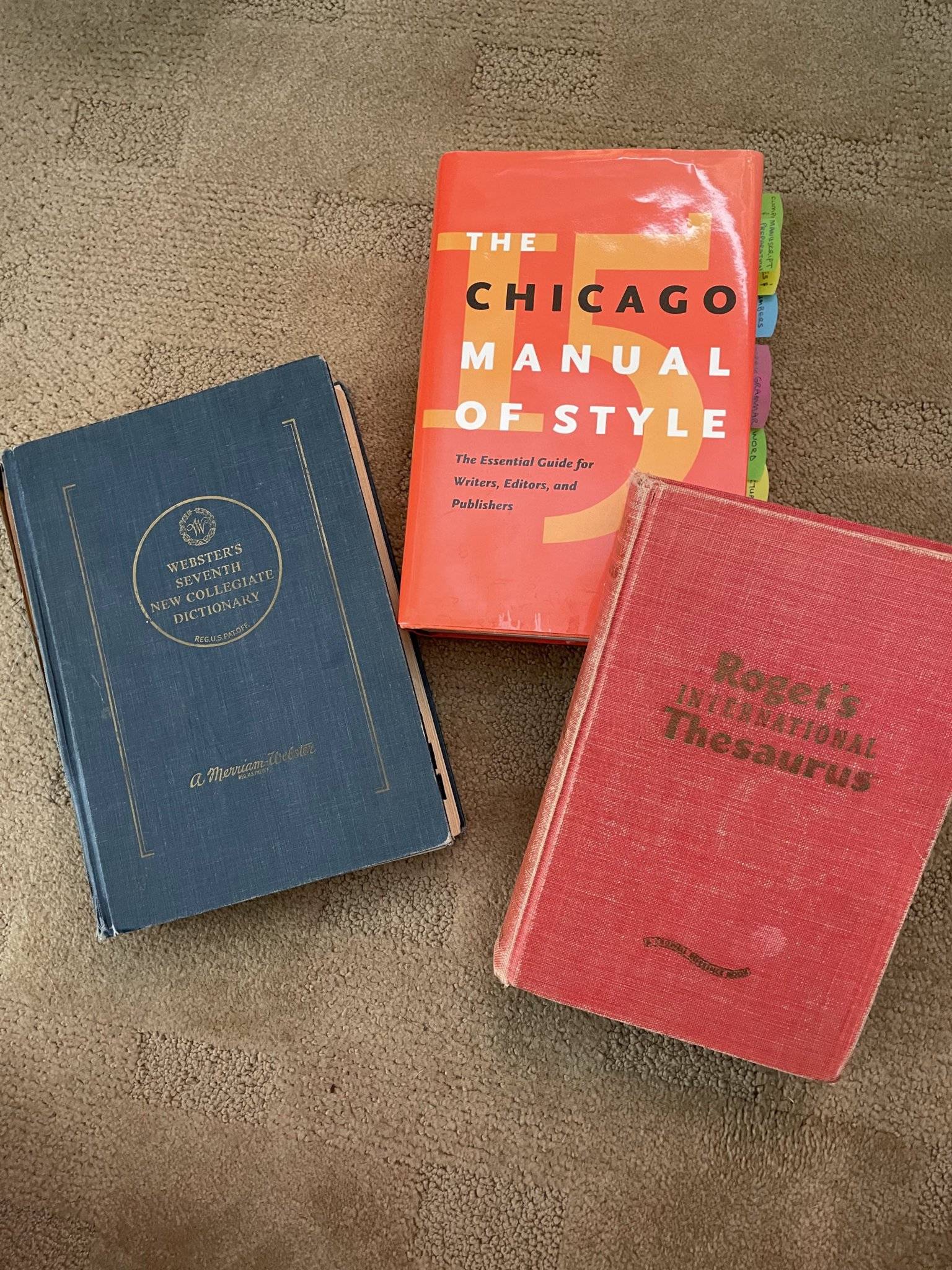
This is a Follow-Up to Jill Amadio’s post about words used by younger folk that might need a new dictionary to understand them because they aren’t in my old Webster’s Seventh New Collegiate 1965 edition. We hear slang on TV shows geared to a younger audience and from young folk in our daily life, some of which needs to be defined by the user because the listener has no clue what they mean. But what will books in the not so distant future be like? Here’s a sobering take on this subject.
I was in a writers’ group years before we formed the Writers-in-Residence blog that consisted of aspiring novelists of all ages. The majority of us were older, but the young folks wanted to be writers and this was a good way to have their work critiqued and maybe improved. Each month one person in the group would submit 30-60 pages and the others would read them and make notes and suggestions about that sample. The pages were usually part of a novel-in-progress. None of the younger people had published work, though most of us older folk did have one or two books in print or wrote for a newspaper. We still wanted our work read and have the group toss around ideas to make the WIP (Work in Progress) better.
That was basically wishful thinking on most of our parts. First, the younger folks didn’t understand sarcasm and how it was used in writing. In other words, they couldn’t understand a good joke about life in general. They also didn’t understand references to anything more than a few years older than they were. A sense of humor was foreign to them, as were the names of famous movies or actors or World History or… Anyway, much of the color and character in our work went over their “collective” heads.
As for their work, I remember reading the first few pages of one person’s novel. The lousy spelling and total lack of punctuation made the pages unreadable. I felt like a Fifth Grade teacher grading a kid’s paper who would definitely be getting an “F.” I had to tell the person why I didn’t finish reading his work. He wasn’t happy and didn’t stay in the group much longer. But every one of those younger people wrote the same way: badly.
I have heard that schools aren’t teaching little things like grammar or spelling or punctuation or math or science that you might find in a school book back in the last half of the last century. I’m not talking about the 1800s. I’m talking about 1950-1999. But remember: Gravity still exists. 2 plus 2 still equals 4… so far. A dictionary from that earlier era should still be relevant. We can add words, but not change their spelling or eliminate their original meaning. Or can we…?
If a word can mean anything you want it to mean or its spelling can be whatever you key into your handheld device with your thumbs or if World War Two was won by space aliens and not the Allied Forces, “Houston, we have a problem.”
But if this Brave New World is what the future holds, the only hope we have is that the people who use these new words can’t spell them, much less understand how to use a pen and write them, so there won’t be any new books out there to read containing these odd words with nebulous meanings. But folks in the future will still have Shakespeare and Agatha Christie and a few books by some of us who still write in a readable language… but that of course does depend on a hope that kids are taught to read in school and right now that doesn’t look too promising. And of course some people are removing great books from schools and libraries or are rewriting them to suit a new generation’s feelings, so that is problematic. Ray Bradbury wrote about a dark future like this in Fahrenheit 451. Orwell saw this coming in his book, 1984. I actually made references to the books 1984 and Brave New World in this post, if you caught the sarcasm. (Look up the meaning of the word if it’s unfamiliar. Use a Webster’s…) So folks, keep copies of these great books in your home library and other books that you have in your collection so future generations can see what people wrote about a century earlier, though you might have to read the book to these younger folk if they weren’t taught in school…
Do I think this is a problem? What part of “Yes” don’t you understand? (Oh, by the way, that’s sarcasm…)
Why do I say this? Because I have done just that and my characters have taken me places I didn’t know I would be going to. They have told me who they were when I thought they were somebody else. This goes for minor characters as well as major characters.
When I was writing CAVERNS about rats eating away the ground underneath the high rises along Lake Shore Drive in Chicago, I was going to kill off a cop who first discovers the rats, but as I was writing about him, I realized I liked this guy, so I had him turn into one of the three male leads in the book. I gave him a life with a not-so-great wife, a great kid, and a really nice girlfriend. He kept telling me who he was and the story grew. I even have my female lead in the story help rescue the girlfriend. Who knew there was that much more story to write? I guess my character did, because the cop character kept nudging me to write more about himself.
One of my three detective series features this guy named Johnny Casino. I figured that would be his name. I grew up reading detective novels that my mother had and watching detective shows on television. There were three famous detectives from old TV series and a movie whose name was like a playing card: Spade, Diamond and Heart. Sam Spade from the Humphrey Bogart movie The Maltese Falcon, David Janssen’s TV series “Richard Diamond, Private Detective,” and Robert Wagner who starred in “Hart to Hart.” I wanted my detective to be the fourth playing card, a club. But “Club” wasn’t right for a last name, so I thought: what name means club? How about casino? And Johnny Casino was born.
But wait: Johnny was more than just a name. He started “talking” to me about who he was. The first page of The Johnny Casino Casebook 1,Past Imperfect, the first book in the trilogy, was literally Johnny telling me about himself. I just typed out what he was saying. This is the first paragraph in that book:
My name is Johnny Casino. I’m a retired P.I. with a past. I just hope it doesn’t catch up with me. Before I went legit, I ran numbers in Jersey for Big Louie “Fingers” D’Abruzzo and then busted heads in Miami for Big Eddie “Mambo” Fontaine. But at the ripe old age of twenty-four, Little Johnny beat a hasty retreat to L.A. when somebody slipped the cops a hot tip and all of a sudden, I became the fall guy for the Mob.
That first page was typed out in one continuous effort… No re-writes. This was who the character was going to be. I couldn’t tell you where it came from, but there it was. He knew he was born in Jersey. His dad was a consiglieri to a local crime family. His mother was from another crime family in Chicago. He worked for the mob for a while until he told himself this wasn’t the life for him and eventually moves to California. But Johnny’s real name had been Cassini back in Jersey. He changed it when he made that move to Los Angeles. But in The Johnny Casino Casebook 2, Looking for Johnny Nobody, Johnny finds out he really wasn’t a Cassini. He meets his real mother and her second husband. Johnny’s father, a cop, had been killed before he was born and an unscrupulous organization basically took him from his mother and sold him to the New Jersey pair. And how did I learn all this stuff? Johnny told me when I was writing out more of his biography for the second book.
Biography? Why not? I learned to do this when I took acting lessons in the last century. Back in 1973, I took acting lessons so I could learn how to write dialogue. It was a great way to see what actors needed to do to bring their characters to life. My teachers, Rudy Solari and Guy Stockwell, were fabulous teachers. They wanted the actor to know who they were portraying before they set foot on the stage or in front of the camera, so they had the actor write a brief bio of their character. The script doesn’t tell you everything, so Rudy said create a life for these people that you are portraying. I did it then and I still do it for the characters I write. It can be a paragraph or pages long. Just enough to know where the character came from, who they are, and why they do what they do. It really does a make a difference to the actor. If the character had a rough upbringing, they will hit the stage with attitude. If they were sheltered or beaten, they will hunch over, head down, eyes averted. The actor needs to know this. So does the writer.
Sometimes the character tells me who they are when I’m writing their dialogue. They’ll start saying something that defines them. I did this recently with one of the short stories in the third Chance McCoy book, my third detective series. I wanted a television scriptwriter to write a murder mystery that has something in the plot that rings a bell with somebody who recognizes exactly what they had done in a fairly recent murder. I was going to have the gal be a mousy little writer, but as she started to appear on the page, I realized this lady was no shrinking violet. Chance McCoy might have a lady-friend from book two, but this gal gets him thinking about doing something more permanent about his relationship with that first woman. And it all came about when this new character started talking about herself in her own voice.
I really do this, and I’m not the only writer who “hears voices.” Other writers tell me the same thing. And if you ask an actor who has taken acting lessons, they will tell you about doing “improv.” That’s when an actor will be on stage “in character” and will let their imagination make up dialogue that fits the character and the scene they’re creating on the spot. The Improv Comedy Club in the Los Angeles area and The Second City Improve group in Chicago have been doing this for decades.
So, open your mind and your imagination and let some of these characters you are fashioning tell you a little more about themselves. You never know who will appear on the page to make your story terrific. Write On!
Does it matter what Point of View you use in telling your story? Yes and no. What matters is how you want your readers to experience the story. There are three main POVs and a few variations.
Third Person Omniscient lets the writer act as the puppet master controlling every character’s words and actions and thoughts. Not that the writer doesn’t do that anyway, but in this POV each character says his lines and then the writer will chime in and tell the reader what the character is really thinking in case the words were lies or evasions and the character has hidden motives or desires, both good and bad. The reader gets to climb inside all the characters’ heads and see the story through everyone’s eyes. The writer can also keep a few things from the reader in order to build suspense and to keep those pages turning. The writer can also have one character let his inner thoughts say that he is the bad guy, but nobody will know that except him and the reader until the end of the book and the truth is revealed to everybody else. That works, too. All the writer has to do is keep those plates spinning as each character reveals more and more about themselves. This style keeps the tension and excitement high right up until the last page.
There is another version of Third Person POV called Third Person Close. That’s when the writer gets inside just one or two main characters and tells the story from their perspective. Other characters appear, but the details about them come from their speech and actions, not allowing the reader to climb inside their head and walk around with them like you can do with those few Third Person Close characters. This method also lets the main character(s) discover things by watching and listening to the other people in the story and figuring out their true intentions and sharing that with the reader. That would be when the main character has a private thought like: Ah. Check out his eyes. He’s looking at everything except me. There’s a liar if I ever saw one. The reader gets to share that little tidbit, but nobody else on the page knows it.
Another Point Of View is Second Person POV. The writer tells the story with “you” being the driving force. An example would be thus: You walk into the crowded joint and you spot the guy standing at the bar. You wonder where you saw him before and then it hits you. You’re looking at the guy who tried killing you a year ago. Are you going to give him a second chance or end it right here?
That POV is far more challenging than its alternatives and not often used in novel-length stories. It can work in a short story because the reader doesn’t have to follow that unusual method for too long of a time.
And then there is First Person POV where a single character takes you on the journey. The reader gets to know how that person thinks and reacts and grows throughout the story because the character is basically talking directly to the reader. As for the main character, he or she has to watch and listen to the other characters and figure out what they are up to and impart that finding to the reader in their thoughts and actions. But in this way the reader also gets to interpret the other characters’ movements and see if they can figure out what is really happening along with the main character.
First Person POV provides a very personal connection to the story for the reader since they are with the main character every minute of the journey, so make sure the main character is somebody the reader will like. More than once I have put down a book because I really didn’t like that particular character. I have a rule: If I wouldn’t invite the main character into my house, I won’t stick with the book that has that particular character telling the story.
I have even seen this particular POV done with more than one character doing the honors. Each character gets their own set of chapters in which to tell the story from their point of view. One writer I know, Bruce Cook (writing as Brant Randall in Blood Harvest), had an animal have his say in his own chapters along with the various humans. The reader goes from section to section watching seven different characters take the reader on the journey. The reader gets to see what the characters first think is happening and then when they go a second round, we get to see what to make of it all and find out what really happened. It worked.
There was another book (though I have forgotten the name) that had the main character do his chapters throughout the book in First PersonPOV and other chapters were in Third Person so we could see what others were thinking and doing when the main character wasn’t around. That worked, too.
So there are lots of options out there. It just matters how you want to tell your story and how your characters want to express their feelings. Be sure to consult them because they are an integral part of that story you are trying to tell. I kid you not. Good characters have a mind of their own and sometimes they take the writer into uncharted territory that turns out to be just what your story needed. Write On!
Hopefully, writers are also readers. We really need to see what others are doing, not to copy their story, but to learn what works and what doesn’t quite get the job done. Thankfully, many writers have their own unique style, though I have read many books that were a tad too much like twenty other authors’ work. Even movies and television shows fall into that category of being like every other show or movie out there. Unfortunately, many current publishers and producers prefer to stick with whatever worked before and won’t venture into a Brave New World. Their loss.
But what if you stick with your original story and don’t want it changed? (1) You don’t sell it to a major publisher/producer. (2) You find a small publisher or studio that doesn’t ask for too many changes. (3) You find a vanity press that lets you do what you want but you don’t make all that much money on the deal, or (4) You self-publish and make even less money unless the winds are favorable and you actually get the recognition you were hoping for. People like Mark Twain, Beatrix Potter, Steven King, Charles Dickens, and even Benjamin Franklin self-published. Their books found fame after the initial publication, but they did start out doing the job themselves.
I have heard many stories about those who sold their work to Hollywood and ended up basically selling their soul in the deal when the entire story was rewritten into something the author wouldn’t recognize. That’s the name of the game. You sell the movie rights to a production company and just walk away with the check in your hand and don’t look back. Really big name writers can negotiate a contract that keeps most of their work intact. Good for them. Some writers might sell the first script/novel/story to Hollywood and if it is a huge success, even if it was gutted and rewritten, their agent negotiates the next deal and the writer keeps his next story intact. Sylvester Stallone didn’t give up his rights on the Rocky movies and it worked out for him. But that isn’t the norm.
So what does a writer do to keep her story close to what she envisions? If the writer reads a lot of books and watches a lot of current movies and takes note of what type of story any given publisher or producer seems to like, she might gear her story toward that type of writing. That doesn’t mean turning out a carbon copy of the previously published or produced story, but the writer probably should stay within those known parameters. And as I said before, lots of work out there kind of looks the same as everything else you see or read.
Now if you are as frustrated as I am with this nonsense, you will just write your book the way you want, try to find an agent and/or a publisher that likes your work as is. You might be willing to change something on the surface, but if it is a slash and burn request that totally guts your work, you might want to go to another agent and/or publisher, or self-publish.
So what are you willing to cut out of your work? Its heart? Its soul? It’s a tough question to ponder and even harder to answer. Think about it. Write On!
That Aristotle guy was smart. He understood the basics in writing a story: Plot, Character, Dialogue, Setting, and the Meaning of the story. If the writer doesn’t address all those points… what’s the point of the story? Of course you have to have a Plot. Something’s got to happen. And without people or even a furry face, there is nobody to watch as they uncover those twists and turns. Without a Setting you have no place to wander through while the main characters are exploring that environment. And without a Meaning to the story the reader is going to wonder: Why am I here?
But what about Dialogue? That is the way each character tells the reader who they are and even sometimes explains what that environment looks like in personal terms. Remember, one character might see a desert as a wasteland while another might see it as a beautiful vista. That being said, dialog can be tricky. Ask an actor who has to interpret those words and make their character have personality and not be just another passenger on the bus. I learned this lesson when I took acting lessons back in California.
There was a time I thought I would write for the movies and television. Yeah, me and about ten million other people. In California, half the people you meet want to be actors, the other half want to write for the silver screen. I thought a good way to see what these actors needed from a screenwriter was to take acting lessons and learn firsthand. I actually learned a lot from the acting teachers I had.
The first teacher was actor Bruce Glover. What a character, and I say that with deep respect. He was in the movie Diamonds are Forever with Sean Connery. He played one half of the “killer” duo that wanted those diamonds and did whatever they could to retrieve them. The patter between Glover’s Mr. Wint and Puffer Smith’s Mr. Kidd was reminiscent of the old Vaudeville act featuring the song: “Absolutely, Mr. Gallagher. Positively, Mr. Shean” in the movie Ziegfeld Girl 1941.
Glover took that a step further and made sure his character had not only the delivery right, but he did a little bit of business so the camera picked up on his actions. Don’t they say: Actions speak louder than words?
So as a writer you need to give your character something to say that fits his or her character, but also have them do something that nails that character while they are speaking. Whether you are putting those words on the page to be read in a book or writing a scene for a movie, describe those characters with words unique to them and give them something unique to do. And I don’t mean just your main characters. Why have somebody show up on the page or in a scene who adds nothing to the story. If you don’t want to add a superfluous character, have someone literally send a telegram and then let an established character read it out loud. But remember, when they’re reading that message let them give it some personality… it’s either good news (slap your thigh)… or bad news (cringe)… or it’s a disaster (dive under the table!)
EXAMPLE:
Ladies sitting around having tea and mentioning the great weather doesn’t move the story.
Ladies sitting around having tea, mentioning the weather and the latest fashion doesn’t move the story, either.
But how about this…
Ladies sitting around having tea, mentioning the weather, talking about the view, noticing the flower arrangements in the restaurant and the latest fashion being worn by other guests doesn’t move the story until one of the ladies finally says: “Let’s stop talking about nothing and talk about Sarah’s murder. Somebody killed her and we’re going to find out who did it.” Now that gets the ball rolling.
Let’s explore the last example. We can see/hear the ladies chatting. Each character’s view of her surroundings will tell us a little about that character whether one lady is envious of someone’s very expensive outfit or they notice the guy this other lady is with and they know he isn’t her husband. Meow!
Or how about the lady who thinks the prices on the menu are a tad too high and she reveals that her husband just lost his job.
Or maybe one lady doesn’t want to mention that the handsome guy coming in the door of the restaurant with the little floozy used to be her boyfriend, but one of the other women points it out in a catty remark.
But the gal who wants to get down to the important things like who killed their friend is setting the story off in another direction. And what if all the ladies are raring to go to solve the crime except one of their group who is hesitant. She doesn’t say much or maybe says nothing. Does she know more about this than she’s willing to admit? What if our main character picks up on that lack of comment and confronts her later? Or maybe somebody else confronts her and one of them turns up dead?
What they say… or what they don’t say. That’s part of Dialogue. And their actions as well. Sometimes actions do speak louder than words. What if the quiet one excuses herself early from their tea and the next thing we hear is that one lady’s home was broken into and that someone just might have something to do with the death of poor Sarah?
Ah, Dialogue. That Aristotle, who was born in 384 B.C., knew of what he spoke. Words have consequences. And how they are delivered can even change their meaning. How about this: two versions of the exact same Dialogue.
First Version: A guy and a gal are on a date. He has been a little free with his affections with another lady and she knows about it, but she will forgive him.
He says, “I’m sorry I was such a fool, Gwen. It’ll never happen again. I’m crazy about you.”
She says, “I’m just mad about you, too, Harry,” she responded, touching his face lovingly, seeing the love in his eyes.
Compare it to this version:
He says, “I’m sorry I was such a fool, Gwen. It’ll never happen again. I’m crazy about you.” He says this while looking off in another direction.
She says, “I’m just mad about you, too, Harry,” she responded, grinding her cigarette into the plate of uneaten lobster.
Does Harry have a chance in version two? Probably not.
What a character says and how he says it and what he is doing while he is saying it tells a story.
Several of us on The Writers-in-Residence blog have been mentioning writing a memoir recently. Maybe you’re thinking that it must be associated with people “of a certain age,” but frankly, younger people haven’t lived through nearly as many adventures, ups, downs, and life in general as we folks in that upper age bracket, so we do have more to write about, but that doesn’t mean you can’t start writing your own memoir now and keep adding to it.
But it is true that older folks have survived it all, the good, the bad, and what life threw in our path to make us who we are. And you want to know something else? We all learn from those things. I’m sure you all have stories to tell. So why not let others laugh and cry and say Wow! along with you? Your friends and family will enjoy reading about your life because they weren’t with you every step of the way unless you’re a Siamese twin. Younger people can actually learn things when they read how you became you.
And there is a bonus in there, too. You will start to understand who you are as well. There will be some things that you recall, maybe some that have been buried for a while, that will let you reevaluate your life and see that you were and still are a very interesting person. You won’t be able to change the past, but you can see what you did along the way. If there were problems in your life, what did you do to overcome them? Not everybody starts out a Rockefeller.
As for John D. Rockefeller, the head of one of the wealthiest families in America, he started out as a bookkeeper at sixteen in Cleveland in 1855. He sold and moved produce during the Civil War to the Union Army. He was an abolitionist, voted for Lincoln, and after the war when the need arose switched from food stuffs to oil. An oil glut had some refiners dump the excess in rivers and streams, J.D. used the surplus to run his refineries and turned the rest into other by-products. He wasn’t going to pollute the waterways or waste all that product. He founded Standard Oil. The guy had a philosophy: He said God had provided the opportunity to earn all the money he had made; J.D. didn’t mind making it. He also wanted to save as much as he could and give away as much as he could. He was a philanthropist and considered one of the richest men ever in American history. There were downsides to his businesses, but he did a lot of good in his life. But that is what makes people so interesting no matter what they have in the bank. The good, the bad and the interesting.
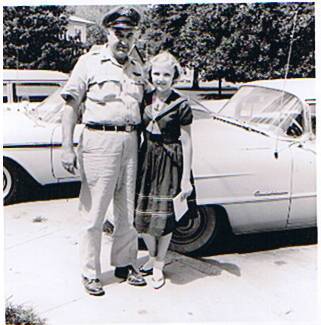
I had the opportunity to have a father in the United States Air Force. We lived on the island of Okinawa when I was 5-7 and in France when I was a teenager. I went to a boarding school that provided an education that exceeded my first year in college in Memphis. I switched schools because I wanted to actually learn something. To pay for my college education, my wonderful dad sold some of the French clocks he and my mom had collected while we lived in France. I worked a year between my sophomore and junior years in college as a private detective to earn money myself and to see what the world was all about. That was probably as important as the four years in college. After I graduated from Rhodes College in Memphis and worked another year to earn money, I moved to California. I took acting lessons so I could learn about the movie industry and especially how to write dialogue because I wanted to write for TV or the movies. I had a few scripts looked at, but none sold. I decided to write mystery novels instead. There is even a story in how that came about, but you’ll have to read my upcoming memoir to see how that happened. It’s a good story. Oh, I went on to write 24 books. I guess all this preparation in life laid the groundwork for that little endeavor.
I have a little saying that I wrote a while back:
It doesn’t matter what you don’t have; It’s what you do with what you have.
OLYMPUS DIGITAL CAMERA
I have been working on my memoir for nearly a year. I have over 40 scrapbooks with bits and pieces of my life from the time I was born to today. I even have my mom’s family album that I redid when it started to fall apart that has the family’s history in pictures. What a joy to look through it now with my niece and her kids. My brother and I still recall old stories and some of them are in the book. It’s full of pictures and memorabilia and stories of my family and me. It shows how I became who I am.
So when you are writing your memoir, even if it takes you a few years to go through your scrapbooks or diaries or old photographs or spend a few holidays with family and talk about old times, discover who you are and share it with others. We all have a story to tell. Frankly, we are all interesting. Write On!
Of course, first I scrubbed the kitchen sink, did a load of laundry, sent belated birthday cards, and read a “Be Kind to your Kidneys” article. All essential stuff – when you’re supposed to be writing your current book…
Is it ‘Yak Shaving’ again? For those of you who weren’t there: ‘Yak Shaving’ is when you find yourself doing something as irrelevant as shaving a yak (don’t ask!), instead of the goal you set out to accomplish. MIT student Carlin Vieri invented the term and blogger Seth Gordon, explained, “the seemingly unrelated, endless series of small tasks that have to be completed before the next step in a project can move forward.” Hmmm.
Don’t get me wrong. I have increased my writing accomplishments ten-fold.
I started a strange mystery about a young, dark-haired girl (so not autobiographical!) in London climbing out of a window to escape… you get the gist. I’ve written many pages of another new mystery set in a small, Greek coastal village. A 60-year-old widow returns to the site of her honeymoon, hoping to find some direction in her life – but finds mayhem instead…I wonder where that ideal came from? Perhaps I should go back and do some more research in that village. What a great idea! Then there’s a World War Two mystery – only six pages done on that one. I’m also still fiddling with my Lottie Topaz Book Two. I’ve written several chapters, know where I’m going – I thought. But the rest is still foggy. So, I took Jackie Vick’s advice and moved away from that book to focus on another project. All these other new storylines. She’s right about the insights you get as you write the draft of another book. Answers to the one you were stuck on filter through whilst writing the next.
As you can see, I’m all over the place. I share this with my fellow writers and readers, not as a cry for help. Well maybe a smidge. More as a warning. Don’t do as I do!
When I see what fellow blogger Linda Johnson accomplishes – she’s a prolific novelist, meeting deadlines with her strict writing schedules. Gayle Pool, Jill Amadio and Miko Johnson all do it. And Jacki H. continues to promote all of us and write children’s stories, as well.
I ask myself, what is wrong with me? I know better. I think I’m missing a gene…
Sometimes I feel like Sisyphus – the Greek Mythology, evil sinner Sisyphus was condemned to an eternity of pushing a boulder up a mountain. Once he got to the top, the weight of the boulder forced it to start rolling down to the bottom, wherein he had to start again. According to Albert Camus, the Greek gods felt that there is no more dreadful punishment than this futile and hopeless labor for Sisyphus. Hmmm.
So, I’ll stop whining! I think this is the way writers’ lives go – seasons of fruitfulness and seasons of distractions.
Stephen King said of writers: “Talent is cheaper than table salt. What separates the talented individual from the successful one is a lot of hard work.” And I’m certainly not afraid of hard work. Just sometimes need a push in the right direction to get over that hump!
When you think of it, we’re really lucky. This is what we choose to do: write. Yes, most of us have ‘day jobs’ – other ways to survive, whilst we feed our muses. Or they feed us. I think most of us have managed several careers – often simultaneously. Which become wonderful sources of material for our writing. And I can’t complain.
It’s not as if we have to study for years, as doctors, nurses and medical professionals do in order to improve and save people’s lives. Or go through really tough, brutal training and then, literally, put ones’ life on the line every day as our police officers and military do, in order to protect us all.
We sit at our computers – or with pad and pen – and spill our imaginations onto the page. We aim to entertain, to educate, to inspire, to elevate people’s lives and show them different possibilities – escape into other worlds. Or perhaps just to make them laugh. Everyone needs to laugh. Charlie Chaplin said, “A day without laughter is a day wasted.” And then some of us write because we just want to.
And so I get back to the writing. To the completion of writing. Of getting unstuck and moving forward with all the storylines and characters coursing through my brain and – sometimes – tumbling out onto the written page. Hooray!
Fortunately, I’m not alone. As very successful and prolific author M.C. Beaton – author of the Hamish Macbeth and the Agatha Raisin series – once said when asked her worst habit – “Procrastination!” she replied. Yay! There’s hope for me yet! The interview continued with her philosophy: “Stop projecting. Tomorrow’s a mystery. This is not a rehearsal. I’m on stage now.” Although my favorite was her answer was to the question, “What do you collect?” M.C.’s immediate response: “Dust. I’m a lousy housekeeper.”
Thankfully, after this cathartic Blog, I’m ready to get going again. Move to the next stage. Be disciplined. Finish one book before moving on to the next. Get going.
Someone once said, “Move forward. Aim high. Plan a takeoff. Don’t just sit on the runway and hope someone will come along and push the airplane. It simply won’t happen. Change your attitude and gain some altitude. Believe me, you’ll love it up here. “
I’m ready for my take off. How do you get unstuck and move forward?













 That Aristotle guy was smart. He understood the basics in writing a story: Plot, Character, Dialogue, Setting, and the Meaning of the story. If the writer doesn’t address all those points… what’s the point of the story? Of course you have to have a Plot. Something’s got to happen. And without people or even a furry face, there is nobody to watch as they uncover those twists and turns. Without a Setting you have no place to wander through while the main characters are exploring that environment. And without a Meaning to the story the reader is going to wonder: Why am I here?
 So as a writer you need to give your character something to say that fits his or her character, but also have them do something that nails that character while they are speaking. Whether you are putting those words on the page to be read in a book or writing a scene for a movie, describe those characters with words unique to them and give them something unique to do. And I don’t mean just your main characters. Why have somebody show up on the page or in a scene who adds nothing to the story. If you don’t want to add a superfluous character, have someone literally send a telegram and then let an established character read it out loud. But remember, when they’re reading that message let them give it some personality… it’s either good news (slap your thigh)… or bad news (cringe)… or it’s a disaster (dive under the table!)

 I had the opportunity to have a father in the United States Air Force. We lived on the island of Okinawa when I was 5-7 and in France when I was a teenager. I went to a boarding school that provided an education that exceeded my first year in college in Memphis. I switched schools because I wanted to actually learn something. To pay for my college education, my wonderful dad sold some of the French clocks he and my mom had collected while we lived in France. I worked a year between my sophomore and junior years in college as a private detective to earn money myself and to see what the world was all about. That was probably as important as the four years in college. After I graduated from Rhodes College in Memphis and worked another year to earn money, I moved to California. I took acting lessons so I could learn about the movie industry and especially how to write dialogue because I wanted to write for TV or the movies. I had a few scripts looked at, but none sold. I decided to write mystery novels instead. There is even a story in how that came about, but you’ll have to read my upcoming memoir to see how that happened. It’s a good story. Oh, I went on to write 24 books. I guess all this preparation in life laid the groundwork for that little endeavor.


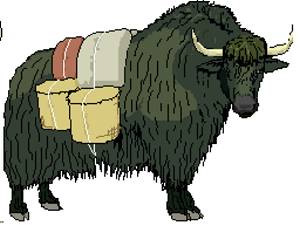 Is it ‘Yak Shaving’ again? For those of you who weren’t there: ‘Yak Shaving’ is when you find yourself doing something as irrelevant as shaving a yak (don’t ask!), instead of the goal you set out to accomplish. MIT student Carlin Vieri invented the term and blogger Seth Gordon, explained, “the seemingly unrelated, endless series of small tasks that have to be completed before the next step in a project can move forward.” Hmmm.
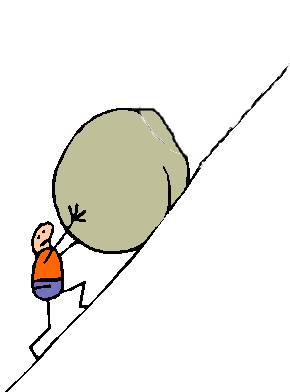 Sometimes I feel like Sisyphus – the Greek Mythology, evil sinner Sisyphus was condemned to an eternity of pushing a boulder up a mountain. Once he got to the top, the weight of the boulder forced it to start rolling down to the bottom, wherein he had to start again. According to Albert Camus, the Greek gods felt that there is no more dreadful punishment than this futile and hopeless labor for Sisyphus. Hmmm.
 We sit at our computers – or with pad and pen – and spill our imaginations onto the page. We aim to entertain, to educate, to inspire, to elevate people’s lives and show them different possibilities – escape into other worlds. Or perhaps just to make them laugh. Everyone needs to laugh. Charlie Chaplin said, “A day without laughter is a day wasted.” And then some of us write because we just want to.
 ……………………………
 The Writers in Residence
You must be logged in to post a comment.