
Happy Memorial Day!
We are a group of published writers who come here weekly to entertain, inform, and encourage you in your writing and your reading journey. Grab a cup of coffee, get comfortable, and join us.


Kay Mouradian, Ed.D, is an author and educator whose writing, until recently, focused primarily on yoga and meditation. When her mother, a survivor of the 1915 Armenian genocide, predicted, “You’re going to write a book about my life,” Kay began an odyssey into her family’s past. The result was her novel, A Gift in the Sunlight.
You can find out more about Kay and her work at http://www.agiftinthesunlight.com
Welcome, Kay.
A Gift in the Sunlight was inspired by actual events that happened to your mother. How were you able to distance yourself emotionally from that traumatic history and craft a novel out of historical fact?
It was tough at times. I went through a lot of Kleenex and wrote a lot in a meditative state where the scenes would just come to me so I could write them. The driving force for me was a sense of responsibility to history. Some say I was too easy on the Turks in my novel, but that was intentional. I did not want to write something inflammatory or too painful to read. I just wanted to educate people about what really happened.
What sparked your interest in writing this book? You’ve remarked that you used to be uninterested in the story; what changed your attitude?
In the last five years of my mother’s life, she made some remarkable recoveries from death’s door, and her entire attitude and personality transformed. Her life until then had understandably been affected by the Armenian tragedy, and she held much anger and self-pity. However, in a series of miraculous physical recoveries, she also became more loving and appeared to have released her hatred of the Turks. In witnessing these changes in my mother, I became curious about the events that had shaped her life. Of course, she’d often told me stories about her childhood in Turkey, but I’d dismissed them as not relevant to me. However, my interest in my family’s history grew as I started reading about events that happened in the Ottoman Empire during World War I, and this research really opened my eyes.
You manage to avoid stereotypes in the characters of this novel; for example Captain Khourshid, who leads the Turkish soldiers enforcing the deportation order, is shown as a kind and honorable man. How did you manage to create such well-rounded characters?
Many of the characters are based on real people, so that helped. For example, the Captain really existed, and he did break his leg in my family’s village before the war. My mother’s aunt was actually the healer who treated him, but I needed to fictionalize some parts of the real story, to keep number of characters manageable, so she isn’t included. Some of the other characters were based on stories my mother told me.
Miss Webb, the missionary, was also based on a real person (in fact one of the translators I consulted regarding my family’s documents happened to know her.) I wanted readers to know she existed, as she was a very noble human being who made huge sacrifices to help the Armenians.
Your book is full of authentic details about life in that era and environment. Can you tell us a bit about how you went about your research?
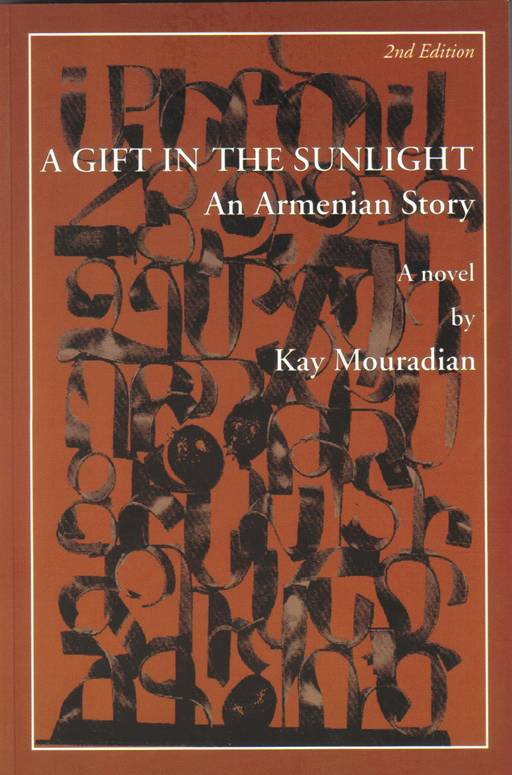 There’s a saying: “If you want to know the facts, read the newspaper. If you want to know the truth, read a novel.” I kept that in mind as I became overwhelmed by the amount of material that confronted me.
I went to Turkey four times, and visited the village of Hadjin, where my family’s journey began. I followed their route into Syria, although I had to make two separates trips – you couldn’t just cross the border because of the political situation. I’d heard Hadjin described as a beautiful place, and it was – but also something of a letdown in comparison to some of the other scenery I encountered; it’s fairly isolated, as there aren’t many roads going there. In my family’s day, there were 20,000 to 30,000 people living there, but the number had dwindled to about 5,000 by the time of my visit, and these were mostly Kurds. Many Armenians, of course, didn’t survive the massacre.
I also read a lot of my family’s letters, although they were in Old Arabic and Turkish so I had to find translators.
And I did a lot of reading. I read books by diplomats, missionaries, and journalists. At Bart’s Books in Ojai, I looked at all their histories and memoirs, and if I saw “Constantinople” in the table of contents, I bought the book. At the UCLA Library, I researched Turkey during World War I. I contacted the Library of Congress and ordered ten reels of microfilmed documents written by Henry Morgenthau [who was the U.S. Ambassador to the Ottoman Empire during the First World War and the most prominent American to speak out against the genocide.]
I also contacted the Franklin Delano Roosevelt Library and got copies of Morgenthau’s “letters to his brother” which were essentially his typewritten diaries from that era.
Overall, I spent about three years doing the research.
You faced another set of challenges in getting published. How many times did you submit the novel to agents/publishers? How did you ultimately find your publisher?
My novel was rejected by 60 agents. One told me, “Only Armenians will read it.” I then located a small London publisher who specialized in historical works and emailed him the first chapter. He called me from London and said, “I want it.” It turned out that his family came from the same town as my grandparents.
You’ve written nonfiction books on yoga and meditation, as well as newspaper and magazine articles. What prompted the move into fiction?
I would’ve been too limited if I’d stuck to just the facts. I wanted to tell the whole story, not just pieces I knew to be facts. I wanted to be able to amplify the story, make it more emotional.
Because most of my writing until then had been academic, I had to learn how to write a different way. I enrolled in a class at Pasadena City College on getting published, and it led me into library research where I studied books on how to write a novel and began to understand principles like point of view and character development.
Have you been able to incorporate any of your experiences as an educator into your writing?
Yes, since so much of the studying for my Doctorate was research-oriented. And one of the real skills I learned in the process was determination. My social life, however, has never recovered!
You’ve “taken your show on the road” with presentations at libraries and other venues to explain the background to A Gift in the Sunlight. How has that worked out for you?
I’ve had to do most of my own publicity for the book. I started by phoning libraries and asking about speaking engagements. Persistence paid off at the Pasadena Library, and they asked me to speak to one of their book groups. After I created a Power Point presentation, the head librarian gave me advice on it. One of my tennis partners belonged to a book club, so I had an “in” there.
Some recent exciting developments are that Congressman Adam’s Schiff’s Deputy Director saw my Power Point presentation and requested a copy to Fed Ex to Washington DC. I also sent copies of my book to President Obama and Secretary of State Clinton; when I contacted Congressman Schiff’s office for the mailing addresses, they suggested I also send a copy to Michelle Obama – which of course I did.
Is there anything else you’d like our readers to know about you and/or your work?
My objective is to fulfill my responsibility to history. I have a strong desire to educate and a sense that there’s more for me to do. The Armenian story still feels like it hasn’t released me. Every time I think about releasing myself from it, something comes up to pull me back in. I have to see where it all leads me.
What’s up next in your writing agenda?
No more novels! You have to have a story. With A Gift in the Sunlight, I knew I had a story, and a structural understanding of how novels are written, but that’s it for me. I want to work on my yoga stuff, to rewrite my original book Reflective Meditation. It’s hard to find the time to do it all.

by G.B. Pool
Writing may be your obsession, but you might also have a hobby or passion that sometimes helps you over those dry times when a story isn’t quite gelling and you need to leave the keyboard.
 Some “crafty” writers use their hobbies, like quilting, cooking, or bookbinding, as a launching pad for their writing. I set up a mystery panel once called “Murder on the Menu” which featured authors who write stories around cooking. Joan Del Monte (Death Has a Yellow Thumb) mentioned that for some reason, mystery writers eat a lot in their books, so writing about food is a natural. Check it out.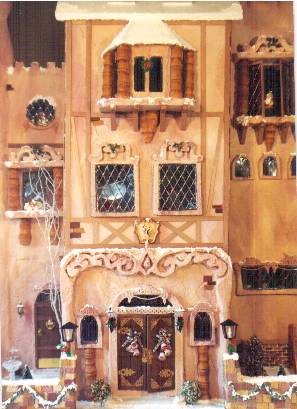
 As a writer, I thought of a story that would include a Santa Castle, a talking Polar bear, and of course, Santa Claus. I designed a castle on paper and eventually wrote the story. Years later, I built the castle, furnished the rooms and crafted the Polar bear and even Santa. The story hasn’t been published as yet, but the creative work is done.
Your hobbies and life experiences can find great places to grow in your books. At least they are a starting point for ideas. After going with my husband to the horseraces at Santa Anita Racetrack, I wrote my second Gin Caulfield novel. And remember, if you have a hobby, an interesting job, or have been to a cool place, you have firsthand knowledge. That ring of truth will add to the reality of your story and you have already done the research.

Jennifer Connon is a Certified Law of Attraction Coach/Practitioner. She has studied Law of Attraction, Quantum Physics, New Thought, Science of Mind and Metaphysics passionately for the past few years. Jennifer enjoys teaching and coaching others on this important law of the universe.
Jennifer can be contacted via email at jenconnon@comcast.net or phone at 630-346-6650.
Continued from yesterday….
You say that we should focus on the positive. That’s very difficult when we are assaulted on all sides by propaganda, negative images and sales pitches that feed off fear.
First thing I would say is stop watching the news – as much anyway. I don’t watch it at all. I scan the newspaper enough to stay informed of the world affairs and then read the articles that are positive and uplifting (sometimes I even cut them out). Some people say that you should watch all of the devastation and suffering going on in the world. I say that you can be aware of it but you don’t need to wallow in it. The more time you spend focused on suffering the more you are adding suffering to your vibration. And not just adding it to your own vibration, but the whole world. Oh we could go on and on here with Quantum Physics and how everything is connected and the studies that have been done about how when monks meditated in war zones the fighting actually ceased for the time they were meditating, etc. But I am digressing from your original question…

You can’t ward anything off. As soon as you try to resist something it gets bigger. Whatever you resist persists. I don’t remember the exact quote but consider what Mother Theresa said about war. “I won’t go to a march against war, but if you have a march for peace I’ll be there.” Don’t push against. Replace with a positive thought. You always have the choice to change your focus. It takes a little practice, but fortunately with the way LOA works, the more you do it the easier it is.
Conversely the more you look at negative media hype, the more you will find. And yes it is in large part fear-based advertising isn’t it? Here’s another trick – record everything on tv and fast forward through those ads. I won’t let my son watch anything that hasn’t been recorded first. He doesn’t need to see 15 different ads for 15 different medical conditions he could possibly get someday and then hear all of the side effects for each drug they’re recommending. I once heard about a pharmaceutical company who had extra money one year and began running lots of ads for a drug to relieve restless leg syndrome. Prior to their ads, restless leg syndrome was almost unheard of. After the ads began running, there was a huge increase of diagnosis of people with RLS. After a couple of years, the company’s ad campaign ran out and guess what – the instances of RLS dramatically decreased. Surprising? Not really.
You have to know within you that all is really well and follow your own internal guidance. Follow what feels good. If you are looking at something and it doesn’t feel good to you, then it is not good for you. Meaning, you are currently focused on something that if you continue to focus there you will attract more like it into your life. Very simply if you are feeling upbeat, light and easy then you are attracting good things into your life. If you are feeling grumpy, fearful, anxious then you are attracting those types of experiences. You are literally pre-paving your life by what you choose to focus on.

One last thing – you mentioned it’s difficult not to be cynical; it’s difficult not to look at life as ½ empty. Try to rephrase that to something positive like – I’m looking forward to finding more reasons to see life as ½ full. Remember it is totally up to you what you focus on and the way you look at it. No one can force you to see it a certain way. That’s the beauty of freedom of thought. Don’t make what “they” say so important. It’s what you think that counts.
How does this process help a person and, more specifically, how could this help writers?
Samuel Clemens once said, “What work I have done I have done because it has been play. If it had been work I shouldn’t have done it.” There is quite a bit of LOA in that statement. It is easy to do anything when we are enjoying it. When a writer is completely in the moment and allowing the ideas to flow forth without worry, without struggle, then it is almost effortless. Working with the principle behind LOA, one learns to allow more good to flow into one’s life, to let go of the need to fight through it and push against. Remember, whatever you push against, pushes back with an equal and opposite force (Newton).
Also, what writer doesn’t want to be published? A LOA Coach could work with a writer on becoming more successful in that, or really any, area.
For those who are interested, how does this work? Are there classes or one-on-one sessions? Are there a minimum number of sessions required?
I do indeed offer classes on this subject. If you are interested and live in the Chicago area, let me know and I will keep you informed on when and where classes are being held. Otherwise, as a coach I offer one-on-one sessions which can be done in person but are more commonly conducted over the phone.
What’s one piece of advice or wisdom you’d like to leave with our readers?
 One of the best exercises a person can do is to make time every day (preferably before bed) to write down all of the things that happened that day that were good – no matter how small. A smile from a stranger, helping someone out, a funny email, a hug from a child, an unexpected check in the mail or finding money on the ground, whatever it was that felt good and brought a smile. Write it down and give that good stuff some focus for awhile. Try that out for a couple of weeks and see what happens…
In the words of singer Jack Johnson, “Who’s to say what’s impossible and can’t be found?”
Thank you, Jennifer!

Jennifer Connon is a Certified Law of Attraction Coach/Practitioner. She has studied Law of Attraction, Quantum Physics, New Thought, Science of Mind and Metaphysics passionately for the past few years. Jennifer enjoys teaching and coaching others on this important law of the universe.
Jennifer can be contacted via email at jenconnon@comcast.net or phone at 630-346-6650.
Welcome Jennifer!
You are a Certified Law of Attraction Practitioner/Coach. Could you explain to our readers what that is?
In order to understand what a Law of Attraction (LOA) Practitioner/Coach is, it is helpful to understand a bit about LOA. Though Law of Attraction may sound like the latest “catch phrase” the principle has been around since the beginning of time and has been taught for 1000s of years by many of the great thinkers and spiritual teachers of our past and present including Jesus, Buddha, Lao Tzu, Einstein and Eckhart Tolle to name just a few.

A basic definition of LOA could be stated as “I attract into my life whatever I give my energy, attention and focus to (whether I want it or not).” This is because everything is vibrational – everything – including our thoughts. We are all emitting vibrations similar to a radio signal. We receive whatever we are tuned into – be it a positive vibe or a negative one. Since everything is vibrational, everything is changeable; there is no solid hard fast reality. I could spend several pages on why that is and the science behind it, but for the purposes of this interview consider these quotes from some of the aforementioned teachers:
“Imagination is everything. It is the preview of life’s coming attractions.” Albert Einstein
“A man is what he thinks about all day long.” Ralph Waldo Emerson
“Therefore I tell you, whatever you ask in prayer, believe that you have received it, and it will be yours.” Mark 11:24.
“All that we are is the result of what we have thought. The mind is everything. What we think we become.” Buddha
Chances are you have heard at least some or even all of these quotes before, but did you ever stop to think about what they were really implying?
We are taught in society to look at reality and make our conclusions about our lives and what is possible based on what we see before us. The Law of Attraction states that WHATEVER I give my attention to be it in my imagination or in my reality is what I am creating more of – or bringing more of into my life.
For example, have you ever known someone who seems to go from one bad relationship to the next? He/She no sooner is out of one horrible relationship than they land in the next? or from one bad job situation? or financial situation? etc. Different places, different faces, same problems. If you understand that this is an attraction based universe, then you can see how that person is continually attracting the same problems over and over because of something they have going on in their vibration. Not only are they looking at the problem and therefore attracting more of what they’re looking at (the problem), but because of experiences they now have a belief about that subject that is keeping them from getting the relationship or whatever that they want.
My job as a LOA Coach is to help that person uncover what it is that they are thinking, feeling and believing about a particular subject that is keeping them stuck and help them to focus on what it is they are really wanting.
Could you tell us how you got into this field?
When I first heard about LOA, I was a HUGE skeptic. At the time I was focused on a health challenge that I had. I happened to turn Oprah on (something I do probably once every few months). She had on the people from the movie “The Secret”. I had never heard of the movie or LOA and only paused to watch the show for about 20 minutes. I was instantly infuriated by it because they kept mentioning that if you had a health problem it was because you had attracted it into your life. HA! I don’t think so!

I jumped on the computer, found Oprah.com and fired off an email to her. I don’t know what possessed me as I’d never done anything like that before. Immediately after that I went off to teach a fitness class (note the irony) and promptly forgot about it. The next day the phone rang. The caller ID showed Harpo, Inc. I froze. I let the phone go to voicemail, but they didn’t leave a message. Later that day they called back and this time I answered. It was one of the producers. He was interested in my point of view and invited me to come on the “Response to The Secret” show they were taping the following week. It was a fun experience but in the end I still didn’t understand what they were talking about and I left feeling frustrated.
To make a long story a little shorter – over the next 6 months various things about LOA kept popping up from many different sources. It wasn’t until I did a search for something completely unrelated (I thought) and LOA popped up in the definition that I finally said – “OK I get it, Universe, you want me to learn about LOA!!” Instantly, I felt this great joyfulness come over me and I was filled with an intense amount of energy. I was literally bouncing off the walls with joy. From that point (3 ½ years ago) on I have been studying LOA passionately and have found it to be the one thing that makes perfect sense to me. As they say, do what you love. So here I am.
What’s the difference between a Certified Law of Attraction Coach and a really upbeat friend?
A Certified LOA Coach has been trained to look at things a little differently than your average upbeat friend.
Yes, it is important to have someone there to support you and show you the silver lining, but if you’re not understanding why you’re attracting a problem into your life it can be a tiring cycle of ups and downs with no real progress towards what you’re wanting.
For example, let’s say that you are having financial difficulty. Sometimes the money is pouring in and sometimes there is barely enough to pay the bills. A LOA Coach would help you to determine where your beliefs are focused on the subject of money – chances are they are on lack. You might say – “Well, I’m focused on money so why aren’t I getting more money?” when what you are really focused on is lack of money. Every time you say, “I want more money.” What your vibration is saying is, “I don’t have enough money.”
You attract what you are vibrating not what you are saying. Not only will a LOA Coach help you to identify this, but we also have lots of really neat tricks to keep you focused on what you do want rather than what you don’t want.
If, for example, a writer wanted to get published, what would be the difference between focusing on “I would like to be published” and “I’m not published”? It sounds like a very fine line.
That is an excellent question. In the above answer, I meant to illustrate that it is not our words, but the attention, energy, belief behind the words that matter. Let’s take a more in depth look at that.
Anything that you are wanting has two ends to it. On the one end there is what you want – to be published, a better relationship, better health, more money, whatever. On the other end there is the lack of what you want – not published, a bad relationship, poor health, etc. And then there are all the points in between that come out to be a muddied combination of what you want and don’t want – a so, so relationship, pretty good health, published with extremely limited distribution, etc.
Whatever is happening in your life is a result of your mix of vibrations or in other words a result of the mix of where your attention and beliefs are on that subject. Just saying “I want to be published” means nothing. In fact it is really more focused on the fact that you are not published.
Instead, are you seeing yourself as published? Do you believe that you will be published? Are you willing to let go of the worry of whether or not you’ll get published and just enjoy the experience of writing?
Mostly we focus on ‘what is’ and so that continues to be our dominant reality. As a coach I would work with you to shift limiting beliefs and apply your focus to what you are wanting. You would begin to say (and really mean) things more like, “I am looking forward to getting published. I am a talented and relevant writer and people enjoy reading my work. I have already been published before and now have my foot in the door plus more experience to draw from.” These are positive and believable statements that help to keep you focused on where you are going.
Join us tomorrow for the conclusion of our interview with Jennifer Connon, Life Attraction Coach!

Authors are constantly being asked to classify their books. I, myself, will only read humorous-small town-old fashioned-must have a moral-with a possible Victorian twist books.
Kidding aside, how does one classify a book? I thought mine fell under cozy. The locations are usually small town, the murder happens off the page, there is little swearing and minimal violence—the kind I wouldn’t mind my grandmother reading. Then an editor classified me as chick-lit.
Chick-lit makes me think of sassier-than-thou singletons who disparage men and spend evenings swilling martinis with their cool-but-obnoxious-to-anyone-who-doesn’t-really-really-know-and-love-them friends, the kind of women I would happily schedule a dental appointment to avoid. I HATE chick-lit. Or at least I thought I did. If I’m writing it, I must enjoy it.
But then I wondered if there could be a cozy/chick-lit cross. A woman who is a bit of a smart-aleck but not completely lost to cynicism. A gal who lives in the modern world but is old-fashioned enough not to find the term “gal” offensive. A feminist who avoids bashing men and actually thanks her stars when the masculine sex offers to change her flat tire. Someone who is comfortable in her female skin yet NEVER talks about her sexual needs/wants/desires. Could there be a market for such a character?
And that got me thinking about other genre mixes. How about classic/horror? Not classic as in Dracula, but classic as in THE Classics? Well, it’s a reality.

I bring you “Pride and Prejudice…and Zombies”. If this book had been offered in my high-school reading program, I would have leapt for joy. There’s enough of the original text involved to allow you to experience Elizabeth Bennet’s journey to true love. The Deadly Arts are thrown in for excitement. And the theme remains the same. When Elizabeth bites the still beating heart of a recently vanquished ninja warrior, you understand that it’s a comment on class conflict, as Elizabeth is subjected to sneers because her Master hails from China and not Japan.
If our sixteenth president can become Abraham Lincoln, Vampire Hunter, are there any limits? What’s next? Maritime/Native American/Romance? Religious/Lesbian/Horror?
I’d love to hear what new genre’s you come up with!

Jacquée Thomas is an authoress, poetess, lyricist and columnist. Miss Thomas’s background includes extensive Western European travel, knowledge of the Spanish language and involvement in Chicago’s Rockabilly scene. She was a computer instructor at Wright College and a freelance writer for the “Chicago Sun-Times” and “New City” magazine before she became columnist for “Letter from Chicago.”
She established Detour Productions as an outlet for her published works, events, and videos.
Welcome Jacquee!
When I think of Jacquee T. and Detour Productions, I think Romance. You mastered the branding process long before writers were talking about it. How did you go about deciding on the image you wanted to project, and what steps do you take to ensure that image remains clear?
I hadn’t set out with intention to “brand” myself; I set out to build a writing career. I needed to express my passions and perspectives – through creative and expository writing. Eventually, I realized I lived life as passionately as I wrote about it.
For example my writing helped me realize how much I loved being a woman, and how much that was a part of my identity – so that, I referred to myself as an authoress instead of an author, an actress, not an actor. And, true to form, when writing poetry I was a poetess.

Over the years, I realized and asserted my feminine side, which happened to be most of me. And the fellas had no worries, because I averred that a gal could not love being a woman without loving the fellas. Out of this attitude, I believe, resonated a voice that appeals to both women and men.
In knowing myself, and allowing myself, I’d honed a voice that resounded across mediums – newspaper, books, theater and radio – and I realized that my overall message was romance.
I’d already established my image with my readership. Now I needed to guard it as I appealed to wider audiences. How would I introduce myself to them?
The biggest draw, and the biggest deterrent, was the word “romance.” Everyone had their interpretation. Folks who heard “romance” might think of steamy formula novels, or of fluffy-puffy analogies, or they might think this was something for couples only.
While here I was, knowing that romance could be earthy, gritty, profound, heavy, airy, or soaring, and that it’s a part of our nature. How could I, ‘Jacquee T.,’ communicate romance?
I founded the company Detour Productions publishing and entertainment, to represent me and my products. The company message is “Slow Down” to taste life. The Detour web site, products and events, inspire to do so.
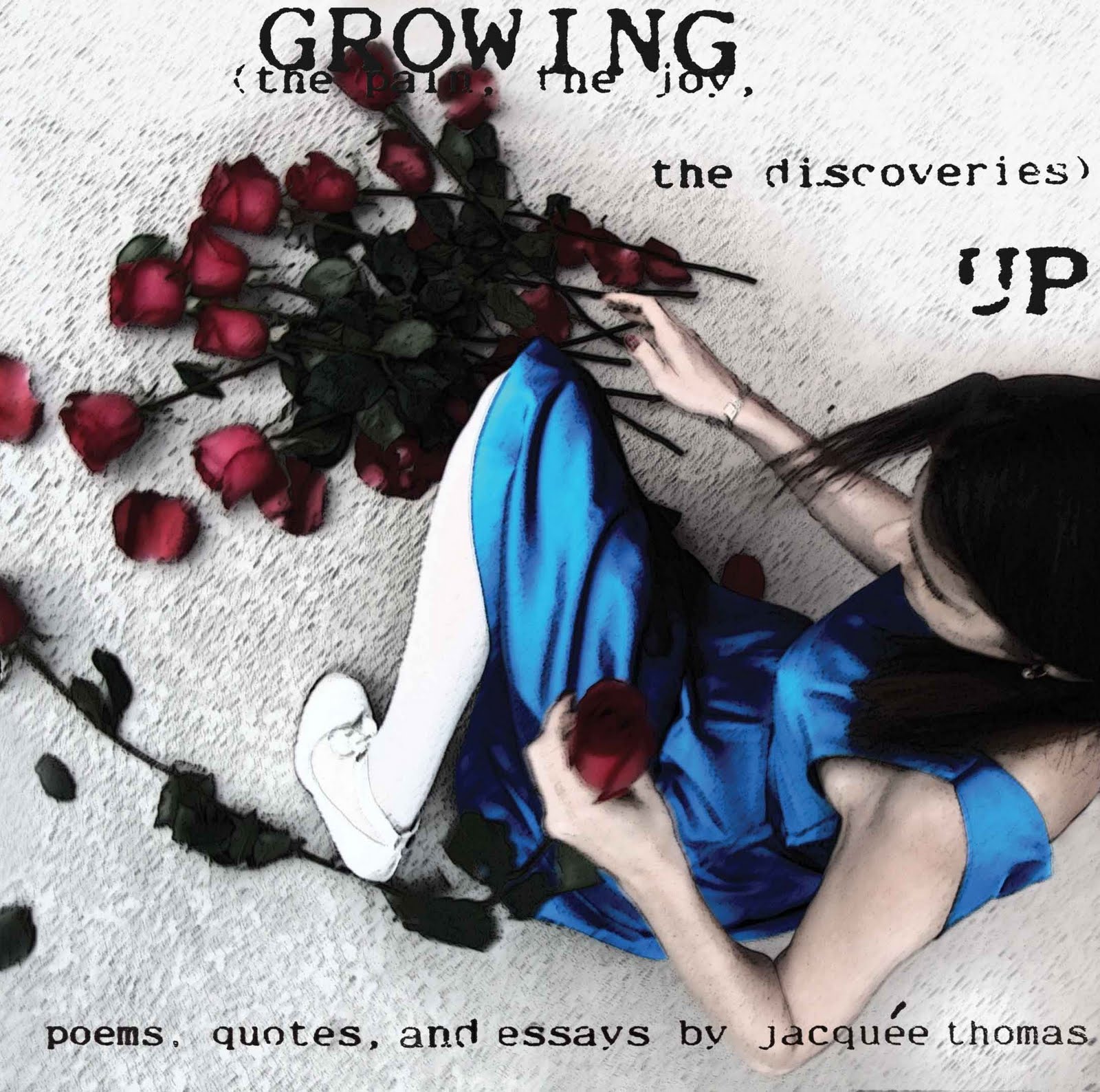
Please tell us about your book, Growing Up (the pain, the joy, the discoveries).
This is the first book printed under Detour Productions. It’s designed as a keepsake.
Growing Up is an 7″x7″ book, with a cloth hardcover and a silk screen title and spine. It has a beautiful dust jacket, and a red ribbon bookmark. It’s perfect to display on the coffee table or nightstand.
Inside is a collection of poems, quotes and essays I wrote throughout various stages of my life. The moods range from somberness to a sense of humor.
I call it “accessible poetry.” Usually when folks hear “poetry,” they anticipate needing to concentrate and de-code the meanings. With Growing Up, I’ve found that people draw their own meanings from my poetry. Both men and women respond passionately.
The retail price is $20. This is a great price for a book of this unique design and quality.
It makes an elegant gift, and adds a little romance to those who receive it.
You regularly hold events that promote your book of poetry, evoke romance, and serve as fund raisers for worthy charities. Would you share with us some of your more unique events?
Detour events promote that “romance is accessible.” The venues are carefully selected; they provide a romantic backdrop.
Two milestone events were the Detour Productions launching party, and the “unveiling” party for Growing Up (the pain, the joy, the discoveries). Both included live music, and a “romantic raffle” to benefit a select charity.

In the Detour launching party, I sang the company namesake song, “Detour Romance.” Among the “Romantic Raffle” prizes were an Odyssey dinner cruise, “Chicago Chocolate Tours” tickets, a bottle of premium champagne, and an overnight suite in Chicago’s Amalfi hotel. Proceeds benefitted Alliance for the Great Lakes
At the “Growing Up” poetry book launching party, I signed copies of the newly “unveiled” books, and read some of the poetry. The Chicago WineStyles on Belmont hosted a tasting of “wines from romantic countries.” The event was titled “Roses for Mozart,” in fond memory of my cat Mozart who had recently passed on. Organic roses were part of the decor. Among “Romantic Raffle” prizes were a Winestyles-Belmont private wine tasting, dinner for two at the famous Pump Room, and tickets for Noble Horse Theatre, Proceeds benefitted Treehouse Humane Society, a cage-less shelter for cats.
Another event was a “Pink Champagne and Poetry” book signing and celebration at the historical Chicago Drake Hotel. This was celebrated in conjunction with the Swing band, The Flat Cats. They performed the song “Pink Champagne” in honor of the occasion. I took the mic regularly during the night, spoke about romance, and read poems from Growing Up. Per the Drake, all “Pink Champagne” purchases benefitted The Lynn Sage Cancer Research Foundation.
Those are some of the larger events hosted under Detour, and there are more like them in the works. They will be posted on the Detour web site once the dates and details are set.
How would an author or authoress go about setting up an event in conjunction with fund raising and then publicizing that event?
If you plan to host an event, plan to work hard. You’ll need to utilize both sides of your brain to make it successful. Set it up to make money, but of course, yet also to cause a buzz about who you are and what message you offer.
Firstly, be creative in choosing a theme to your event, a select venue, and a select charity. These will help you come up with the event title.

For example, if your book is “My Ski Adventures: the Good, the Bad, and the Human Snowball,” consider a snow theme. If it’s summertime, perhaps title the event “Snowy in July: author John Smith’s ‘Ski Adventures’ will give you chills!” Select an establishment with an outdoor terrace. Bring in a snow cone vendor. What else? Popsicles®, Slushies, and for those who want a potable – ice wine.
If it’s winter, select an establishment that has a fireplace and that serves hot drinks – some of them spiked. Potential event title: “Snow Lodge at Ike’s Tavern: author John Smith tells the ‘don’ts’ of skiing.”

In selecting a charity, perhaps one that protects Polar Bears, to go with the snow theme. Or perhaps you have a personal reason for benefitting a different charity.
Secondly, now that you have a focused title and theme, approach the people who can support this event, and whom you can support per the event publicity.
For example, if you approach Ike’s Tavern about donating his fireplace room, explain why his establishment fits perfectly with the theme. Offer to find a date and time that works for both of you. If Ike passes, try Irma’s Fireside Lounge, and so on.
Be prepared to send them in writing a description of the event, the benefitting charity, how you intend to publicize the event and to publicize the supporting establishment, how you expect them to publicize the event. Also, exactly what proceeds will benefit the select charity. A percentage of book sales? A raffle drawing? Sometimes folks like Ike and Irma opt to offer a percentage of bar sales to the charity. If so, be sure to publicize their added altruism – and to announce it during the event.
More details: Provided the drinks, appetizers they provide, what’s complimentary and what’s ‘available?’ Is there a cover price for the event? If so, how would you divide it with Ike or Irma?
Make sure everything is understood and agreed verbally, iterated via e-mail, and if need be, per signed agreement. This with the select venue manager, with the charity, and anyone else contributing to the event.
Thirdly, publicize! The moment you confirmed the event date, title, and location, post a “Save the Date!” on your web site and social media profiles, and send a note to your e-mail list. Offer updates and reminders, in moderation. Once details are confirmed, submit press releases to print and radio sources. Print announcements to distribute to friends, and to people you meet at networking events.
Check with the event venue folks, and the benefitting charity folks, on how they’re publicizing – before you sign them on, and as the event draws near. Offer to deliver fliers, or to send text they could use in blast e-mails or on their web sites.
In all publicity, you need the grabber title, and to assure all is clear to potential guests. For example:
You’re invited to
That’s an informative grabber. It also gives Ike’s Tavern and Protect Polar Bears reason to make the same announcement, or to use the announcements you send them.
For the ensuing info, provide more reasons folks would want to attend, the cover price, if any, etc.
As a poetess and authoress, how do you determine which format is best for what you want to say?
An inspiration comes to me, and I write it down. A poem comes as a poem, a song as a song. With the song, I must find a recording device to sing into to make it complete, and that’s usually via calling my own voice mail before I find a musician to transcribe the tune.
Sometimes a character’s action comes to mind, and I write it down, or their dialog with another, and I write it down. When this happens, it’s an excerpt, that may fit into a poem book. Yet later I may get another action or monolog, and realize it’s connected with something I wrote before, and I put those notes together; as notes accumulate I realize this is a short story … (or) this is a novelette …. (or) this is a novel!
Sometimes the dialog is so dominating, I write the inspiration as a screenplay or play. The initial format I put it in remains the medium in telling the story.
Sometimes my thoughts are purely expository. They are released on my Internet outlets.
If I were to offer advice on inspiration, I’d say, allow it raw, don’t force it in any form, record it and make room for it. Do that, and the idea will manifest in its own form.
It was from your website that I discovered the recipe for perfect mashed potatoes! I’ve also read movie and wine recommendations, learned how to take care of my Shamrock plant, and through the “A Romantic in Chicago” link, vicariously enjoyed my favorite city. Where do you look for the content on your site?
Thank you. You’re referring to my Vignettes weblog, on the Detour site, and the new web site under Detour Productions, A Romantic’s Perspective.
Vignettes is a “tip of the fingers” outlet, as I may have an inspiration and be informal about sharing it. A la “Perfect Mashed Potatoes.” It’s not a recipe, it’s a depiction of my experiences that led to a Eureka! that potato lovers would appreciate – especially as they prepare to sit down for a holiday feast.

A Romantic’s Perspective (.com) has a section titled, “The Wine Corner,” where suggestions on wines and wine places are featured. The web site also has “The Green Romantic” section that covers earthy and sustainable subjects. This web site offers features by the month.
March 2010 featured Ireland, and included “wines to go with Irish fare” under “The Wine Corner,” and “Shamrocks, the Wild Irish Clover” under “The Green Romantic.”
As a former columnist for “Letter from Chicago,” it behooved me to include my knowledge about Chicago as a separate entity under A Romantic’s Perspective – “A Romantic in Chicago.” It’s a sub-site under A Romantic’s Perspective (.com), and has the same categories: “The Wine Corner,” The Green Romantic,” with Chicago-based features.
Where do I look for content? I cannot keep up with my ideas. A Romantic’s Perspective was designed to tame them – under categories like “The Wine Corner,” etc. At the same time, those categories spawned new angles.
For example, I anticipated that the March A Romantic’s Perspective to include a splash of Irish among the categories – until I attended a “Flavors of Ireland” event that I thought would merely enhance the “splash.” I left the event with more article ideas than I had categories, and ended up covering all Romantic’s categories with an Irish flair, plus adding a special “Claddagh Ring” page.
These all- Irish subjects knocked out previous features I’d planned. Not only because they were conjoining in the “St. Patrick’s” gaiety, but also because my contacts were prompt to provide requested photos, and to answer questions in rich detail.
All my contacts, I realized, were Irish, with the exception of an Irish American, a few generations removed, who hosted Ireland trips and spoke of them like poetry. It behooved me to let go my previous plans to fill the Romantic’s categories, and to take on the wild Irish subjects.
The previous plans were shelved for later months.
This process keeps me on my toes and excited. At the same time, as a professional writer, I respond to sources who are timely in responding to my information and photo requests.
Do you have any final thoughts you’d like to share with our readers?
If you have a conviction for a writing career, start putting out your writing. Assure your grammar skills are intact, but of course. Yet the most important thing is giving of yourself. Spill into your writing, be it first person or third person; write from your core, not your surface. Readers will sense the difference and respond accordingly, whether or not you hear from them.
And, dress well. Dress as if you respect yourself, and your writing, and the people you meet.
Ideas for Articles and Profiles by Jackie Houchin
I’m not a fiction writer, but I still get asked the question, “Where do you get your ideas?” Of course they mean, where do I find interesting people and events to write about, but that’s okay, I know what they mean.
When I first started writing for a local newspaper, the editor sent me out on specific story assignments – a quadriplegic who’d lived 20 years on life support (that actually turned out to be his mom’s story), a man who built model airplanes, a woman injured at a car repair shop, a sculptress who made marble look sensual, a market-window muralist, an orchestra conductor, a trailer park scandal, a middle school with security issues, burglaries at a church and a neighborhood market, and my recent 3-part story on Women in the LAPD.
He also assigned profiles on local businesses, including several restaurant reviews (yum and yech!), and a calendar of community events. Easy, right? Just go where I’m told. Yes, that’s true, and I did get some “spin-off” stories from those assignments.
Observation
But what is interesting is that I began to “see” my own stories everywhere. A man in the Starbucks line in front of me had a crossword puzzle on his T-shirt. I commented on it and we started talking. I learned that he created personalized puzzles for businesses, individuals and magazines. (One job was for a young man who used the puzzle to propose to his girlfriend.) He and his business made a great story!

Driving from Costco one day I saw a man walking a giant Tortoise. A slammed on the brakes and pulled to the curb, utterly fascinated. I set up an interview and photo shoot and after spending a delightful morning with the two friends, wrote, “Walking Newman.” It made it into the Los Angeles Daily News – front page!
Browsing in the Flintridge Bookstore one morning, I noticed their barista making a latte for a customer. He showed an unusual amount of pride as he handed over the cup. Turns out, he was a “latte artist.” He (and the bookstore) allowed me to take notes (and photos) on each step of his creative process, including the foam artwork atop the brew. They still have a faded copy of the newspaper story in a frame on their counter.
While pumping gas one afternoon, I noticed a small faded sign across the boulevard that read “Adventure in Postcards”. When I finished, I investigated, and found a little shop crammed full of antique and collectible postcards. Thousands of them all categorized and labeled in shoeboxes and shelves. The reclusive (for health reasons) woman gave me a fascinating interview, photo and resulting story.
Friends & Family Referrals

Friends are also great sources for story ideas. I wrote a series on a local Toastmasters chapter at one friend’s suggestion; two stories on a Pet Detective who, with her bloodhounds, finds lost pets (another friend’s idea), and the exciting experience of a young swimmer in the “Escape from Alcatraz” competition (my granddaughter’s friend). And from the elderly neighbors of another friend, I got a tender story and some wise observations on life.
Collectors & Hobbyists
“Crafty” people always make good subjects. I discovered a woman who sews winter blanket-coats for dogs, and vintage (1920’s) dresses for women. Another woman has a vast collection of Santa Claus figures.

My hubby is a hot-rod enthusiast. His contacts netted me stories about car owners and clubs (one donates to the City of Hope, another collects toys for needy kids at Christmas). A man stopped by to admire our flashy-red Roadster in the driveway and began talking about the vintage airplanes he restores. I got some terrific photos and a story about his current plane (and the ones he’s crashed).
Unusual Occupations

I’ve written several stories on a local Alpaca rancher, one on a magician who teaches kids about books, another on a man who drives a cesspool pumper truck (oh the things they find in those portable potties!). A tour of a beachside lifeguard station – with a few true life rescue-stories – made another fine story.
A family-owned Art Glass company promised to be an interesting profile in itself, and then I heard the grandfather tell how he earned his apprenticeship restoring the ancient glass in England’s Canterbury Cathedral after WW II. (It still gives me shivers.)
My farrier (horseshoer) and my large animal vet were fodder for interesting equine stories. The artsy photo I took of the farrier ended up in Country Magazine, the equine dentistry shots on the Vet’s website. Note: it helps to be able to “shoot” your subjects.)
Event Notices
Pay attention to those banners in your neighborhood announcing upcoming events or shows. I’ve written several stories about festivals, breakfasts, and shows at a local institution for the developmentally handicapped. The American Legion once hosted an official “flag-burning” ceremony I wrote about. An elementary school drama club and a new horse trail dedication got ink too.
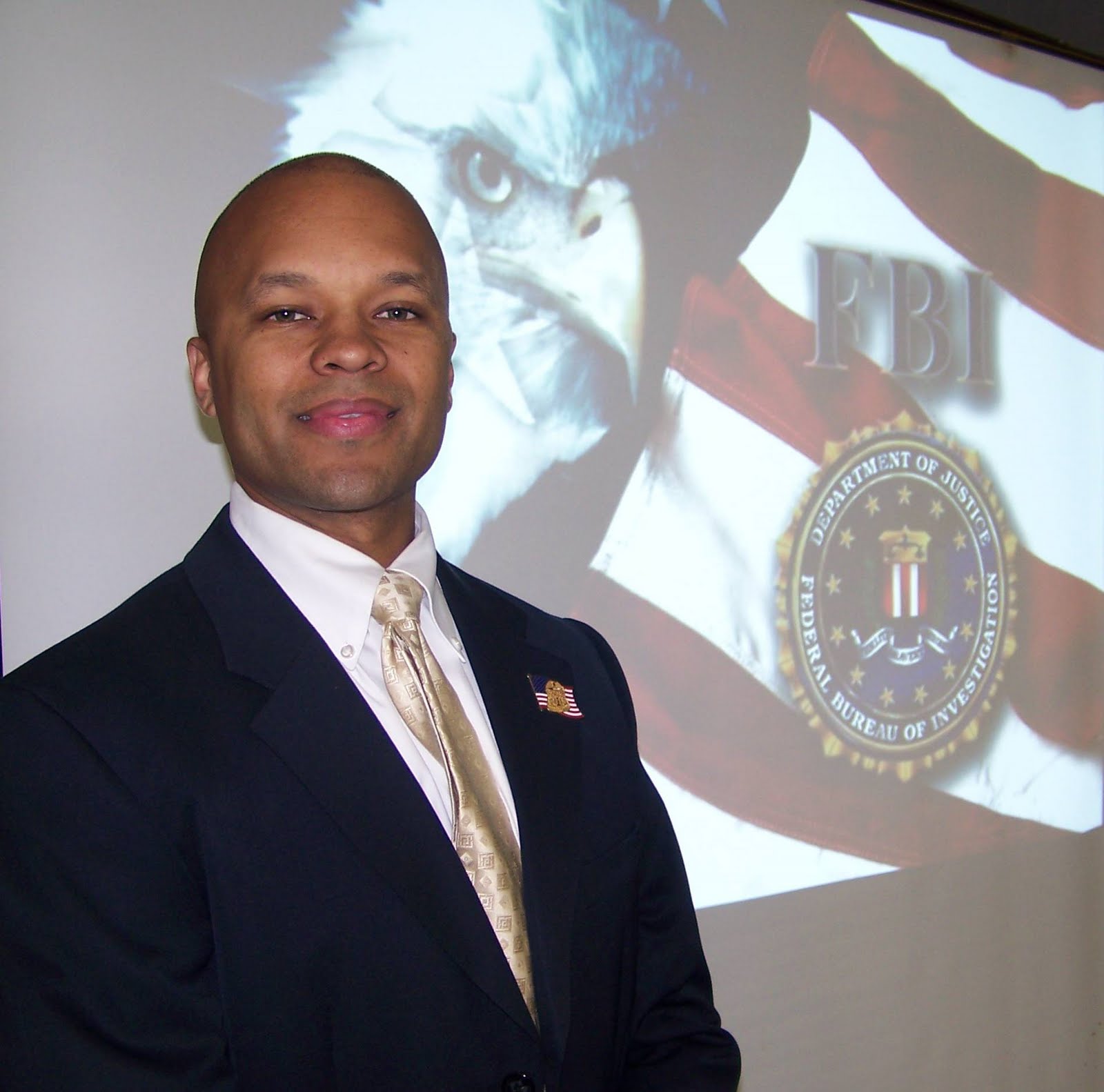
I also scope the morning newspapers and group newsletters for upcoming events that sound fun or informative. (Art exhibits, author signings, workshops, expos.) From local pet announcements, I wrote stories on Pet Scanners and Protecting Pets in Hot Weather. An announcement about an FBI Agent speaking Identity Theft made another story.
Organizations
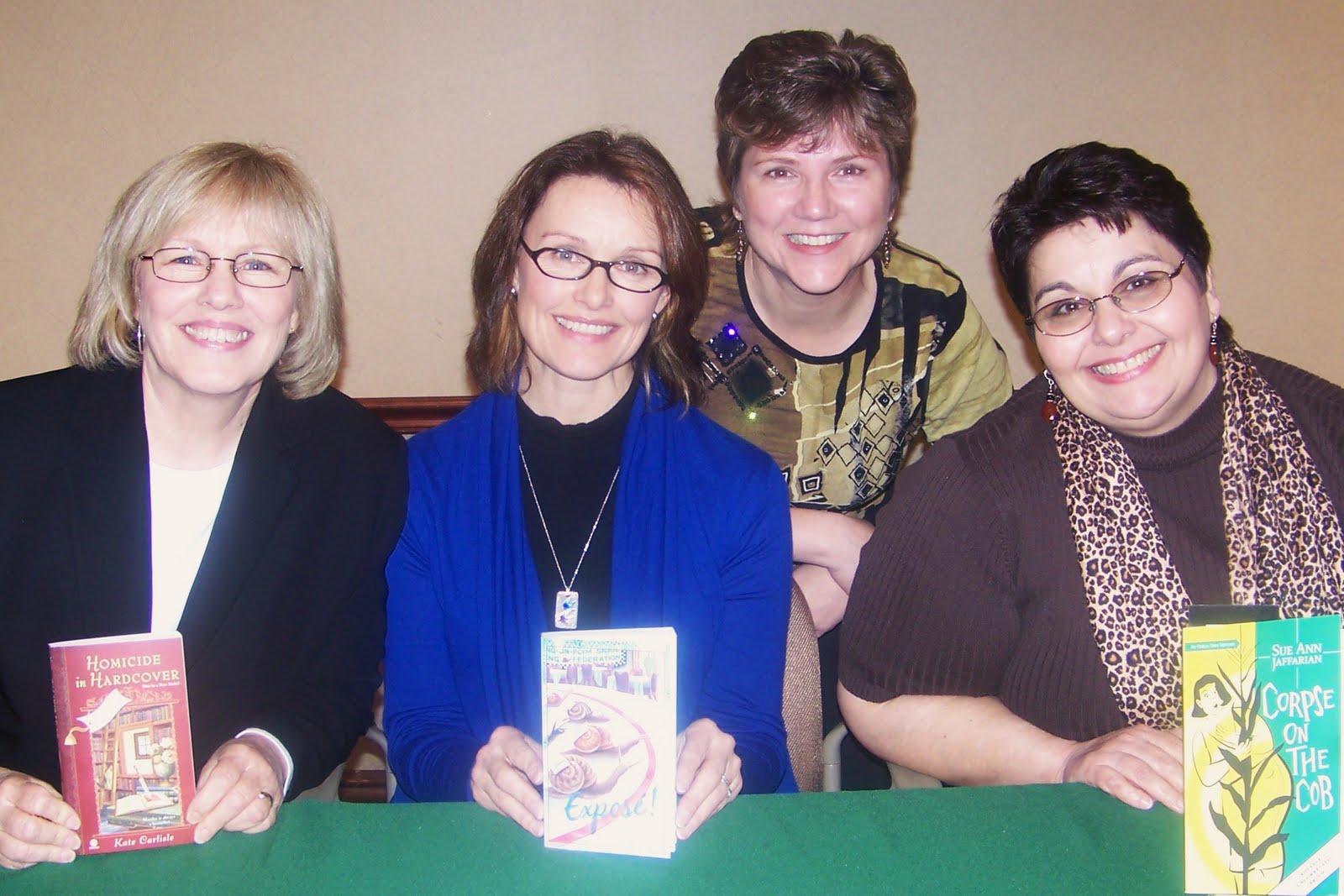
There are always things to write about the organizations you belong to. The speaker’s bureau of our local Sisters in Crime has set up many author panels and workshops that I’ve written about (or at least blurbed). THIS Writers In Residence group has gone on “outings” that were fun to write about (A class on hand-gun safety at a local firing range, and a trip to the famous Greystone Manor for a reenactment of a murder – see them archived in this blog).
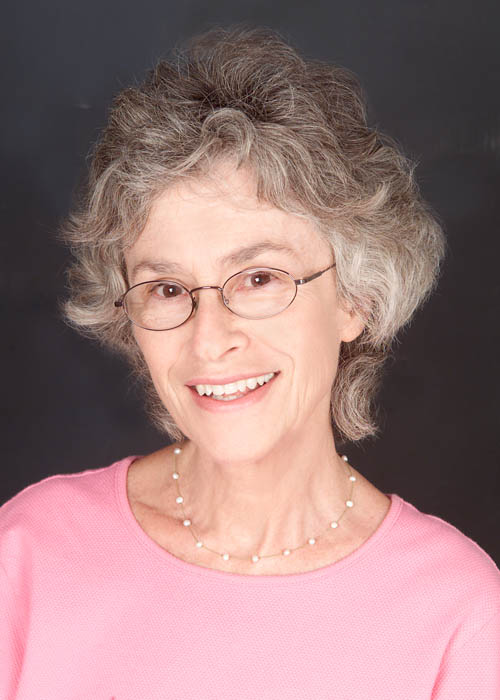
We are pleased to have with us author Laura Levine. Laura is a former sitcom writer (The Bob Newhart Show, Laverne & Shirley, The Love Boat, Three’s Company, Mary Hartman, Mary Hartman) As an advertising copywriter, she created Count Chocula and Frankenberry cereals for General Mills. Her work has been published in The Washington Post and the Los Angeles Times. Her Jaine Austen mysteries have been published internationally. When not writing mysteries, she contributes comedy material to Garrison Keillor’s “A Prairie Home Companion.” She lives in Los Angeles with her husband.
Welcome Laura!
You have experience in so many writing fields. What led you to the long narrative form and specifically, to mysteries?
What led me to mysteries was unemployment. At the ripe age of fifty, I’d been unceremoniously drummed out of show biz. (In the wacky world of sitcoms, twentysomething is ideal, thirtysomething is “getting up there,” forty is ancient, and fifty is prehistoric.) I’d always thought it would be fun to write a mystery, so I wrote one on spec. And because of my background as a sitcom writer, I decided to make it a comedy-mystery.
And PS. Getting booted out of show biz was definitely a blessing in disguise. After years of having my scripts nitpicked to death (it’s part of the “collaborative” process), at last, as a novelist, I get control over what I write.
Are there skills you learned in advertising, television, or radio writing that helped with novel writing?
Absolutely. Writing sitcoms for all those years taught me a lot about both story construction and joke writing.
I plot out my books the way I used to plot out my spec movies (only one of which ever got produced, by the way.) I put each scene on a separate index card. One color for the mystery scenes, another for the comedy scenes. Then I lay them out on my dining room table to check for pacing and an overview of the story.
Your series protagonist is Jaine Austen. Like her namesake, she’s a writer—not a novelist, but a jack-of-all-trades freelancer. What about this career makes it a good job for a mystery protagonist?
To tell the truth, when I wrote the first book in the series, I had no idea it was going to be a series, so I didn’t give that much thought to Jaine’s profession. I’d spent a few years teaching sitcom writing at UCLA extension and during that time had met another teacher, a freelance writer who lived in a charming duplex. I was fascinated by the fact that this woman was able to support herself as a freelancer (it seemed like such a precarious way to make a buck), so I decided to make Jaine a struggling freelance writer. And it’s actually turned out well. Because Jaine’s writing assignments are so varied, she gets to meet people—and solve murders—in lots of different worlds. (Fashion, showbiz, L.A. society, etc.)
What kind of writing schedule does a professional writer need to have?
Oh, lordy. I was afraid you’d ask me something like this. Highly professional goody two shoes writers get up at the crack of dawn, go racing to their computers, where they spend most of the day pounding out award-winning thrillers. I, on the other hand, stagger out of bed at the crack of nine (okay, ten), have my coffee, do the crossword puzzle and any other work-avoidance activity I can think of, and then, after wasting all that time, I goof off some more. Eventually I break down and do some writing.
I tend to be at my most shameful at the beginning of a book, but after a while, a momentum starts to build, and I find myself actually eager to get back to my story. At the beginning of a book, I may put in as little as two hours of writing in a day, and at the end, as many as seven or eight. (And although I start my day admittedly late, I will often work till ten or eleven at night.)
In my humble op, the important thing for any writer is to keep writing, and never let herself be paralyzed by self-doubt. When I first started out in show biz, I had a wonderful mentor who told me, “Laura, everything stinks at the beginning. Just keep writing. You can always come back and fix it later.” And it’s so true. Writers are often assailed with doubts at the beginning of a project, and allow their inner critic to stymie them. But if you just keep plugging ahead, the more your confidence builds and the easier the process becomes.

“Death of a Trophy Wife” came out on April 27th. Could you tell us a bit about the plot?
I’d be delighted to. In Jaine’s latest adventure, she comes to her neighbor Lance’s rescue when he’s accused of murdering one of his customers at Neiman Marcus—a venomous trophy wife with an enemies list as long as her hair extensions. While Jaine tracks down the killer, she must also fend off the advances of Vladimir Ivan Trotsky, an internet Romeo who shows up on her doorstep all the way from Uzbekistan, hoping to win her over with bad poetry and pictures of his goat Svetlana.
Does a series get easier to write as you go along, or harder?
Harder, definitely. It seems like every plot twist or gag I come up with is something I’ve already done. Arggggh!
Tell us what’s next for you.
Next October I’ve got a novella coming out in a Christmas anthology called GINGERBREAD COOKIE MURDER. The headlining author is the wonderful Joanne Fluke, so you know the book will include some yummy recipes. The other author is the very popular Leslie Meier.
In my story, Jaine goes to spend Christmas with her parents at their retirement community in Tampa Vistas, Florida (always good for a dose or two of aggravation), and is called into action when her mom’s best friend is accused of murdering the resident lothario, a sleazy dude who has been wooing and cheating on several of the single ladies.
And right now, I’m starting in on the tenth book in the series, where Jaine sets off for a week at a swellegant spa, little realizing that it is a strict diet joint, run by a tough cookie she will come to know as the Spa Nazi. Needless to say, one of the guests will get bumped off before the final aerobics class, and Jaine will spend the rest of the book simultaneously searching for both the killer and something decent (as in “Chunky Monkey”) to eat.

Thank you so much, Laura. You can find out more about Laura’s books on her web site. I’d also like to note that her last mystery, Killer Cruise, is now out in paperback.

Jacqueline Vick is the author of several as-yet-unplaced mystery novels including “Family Matters” which placed in the quarterfinals of the Amazon Breakthrough Novel Competition. Her short fiction is found online and in the “Every Day Fiction Two Anthology”, and her article about pet psychics appeared in the April issue of “Fido Friendly Magazine”.
What led you to write mysteries?
Well, the dark version is on my website under bio, but I grew up under the rule of a woman who read every mystery ever written. I remember looking at my mom’s collection of Agatha Christie’s and thinking “How boring!” Since I was a teenager, I probably added a “Duh!”
I’ve become much wiser in my older age. My favorites are Golden Age and British. You cannot top British humor in my book. Robert Barnard’s “Death by Sheer Torture” remains one of my favorites, as is anything by Christie, James, Sayers, Mortimer etc. (I share Agatha Christie’s birthdate!) I’m also discovering “new” authors such as Delano Ames.
A year or so ago, I decided that, since I’m never going to capture the voice of those oldies but goodies, I should actually start reading some of the comtemporaries. I’d tried a few authors and really didn’t get into them, so I wasn’t enthusiastic. Thank goodness I didn’t crawl back into my cave, because I’ve discovered some fantastic authors since.
Do you find conventions and writers groups useful?

My first convention was Love is Murder in Chicago. I met so many fantastic authors; kind, supportive people no matter what level of success they were on. I didn’t know a lot of authors at that time, and I sat next to Charlaine Harris and humiliated myself by asking her if she wrote full time. She was so humble and nice. She said, “Well, yes, honey, I do.” Then she got up to give the keynote speech and they congratulated her on her series making it to television. I guess I should have read the program. Lesson learned: Know the authors in your field.
Sisters in Crime and Mystery Writers of America are both great places to meet other writers and exchange ideas. Both offer programs with speakers that have helped my writing. I’ve just joined the Public Safety Writers Association which promises to be informative and fun. And my critique group (you know them as the WinRs) are intelligent, generous writers who aren’t afraid to slap me upside the head when my writing stinks. (And yet they do it so nicely that I thank them every time!)
How do you balance writing mysteries, children’s fiction, and whatever else?
I don’t. I should be in therapy. I’ll sometimes have five projects going at once and I have to step back and ask, “Would I like to do any of them well?” That usually keeps me down to two projects for a short while.
I don’t understand when people say they don’t have enough ideas. I have three different protagonists so far, I’m writing a pet psychic mystery, I have a Young Adult book outlines, a children’s mystery series in mind, a picture book waiting for an artist, the Logical Larry series, a non-fiction book promoting local businesses in Santa Clarita, a rambo-style Father Brown series I’d like to write…. (OK. Maybe not Rambo, but he is a police chaplain and former marine who get’s transferred to teach at a girls school. Talk about being unprepared. Of course a parent is murdered and things go from there.)
What else do you do to keep on top of your writing?
I am a voracious reader. On average, I read three books a week–sometimes more, sometimes less. Besides enjoying the books, I’ll watch how the author handles everything from dialogue tags to description. I’ve even outlined the plot of books I think work especially well just to see I’ll have a revelation.
Is there an essential ingredient in any fiction you read?
Humor. There are enough humorless people walking around that I’m not going to immerse myself in their company while I’m reading. One of my favorite books is “Blue Heaven” by Joe Keenan. I’ve read it several times and it still makes me laugh out loud. “Lamb” by Christopher Moore is genius. P.G. Wodehouse is another favorite, as are Carl Hiaasen and Neil Gaimon.
I like humor that makes fun of the human condition in a gentle way. Humor that comes from a place of superiority is only funny when the joke is on the lofty character. Otherwise, it’s just a lecture. An example is how Christie makes fun of Hasting’s arrogance through his inner dialogue about Poirot. He’s feeling sorry for the detective, thinks the old guy is losing his abilities, but it’s Hastings who can’t see the forest for the trees.
What’s next for you?
I’ll have my books at a fundraiser at the end of May. I’m working with the SinC/LA Speaker’s Bureau, putting together panels for the Burbank Library. I want to finish the pet psychic mystery, go back over my last mystery for rewrites, and write the next Logical Larry. I really need to prioritize.


 The Writers in Residence
You must be logged in to post a comment.