

Bonnie Schroeder started telling stories in the Fifth Grade and never stopped. After escaping from the business world, she began writing full-time and has authored novels, short stories and screenplays, as well as non-fiction articles and a newsletter for an American Red Cross chapter.
As I get older, I seem to be experiencing an odd form of dyslexia (I think) where my brain transposes letters in words so that I read something that’s not there. Only on second glance do the letters rearrange into what they’re supposed to be.
This has been a boon for me in one way: character names. For example, I came across the surname “Murdock,” but my eyes thought they saw “Mudrock,” and after my initial annoyance at myself, I thought, what a great name for a character.
I collect names because few things are as frustrating to a writer as creating a new character and not being able to name them, right? First names are easier to come by; I pop open 1001 Names for Baby and can usually find one that works. But surnames? The tone must be just right.
In my novel Mending Dreams, the main character’s last name is Krajewski [yeah, even now I have to look it up in the book to spell it correctly], and that was intentional. I knew a fellow with that last name, and he used to joke about how people mispronounced it. I wanted the character, Susan, to have willingly kept the name even after she and her husband divorced. Her maiden name was Stafford, and it says volumes about her and her feelings about her ex-husband that she kept his name despite the difficulties it could cause.
My list of unusual surnames fills several pages in my notebook. One I’m trying to find a story for is “Evilsizer.” Meaning no disrespect to real people with this name—and I found several via Google—I think it would be perfect for a scheming couturier. Or maybe someone who is really nice. . .
Strong first and last names are essential to me so I can paint a picture in my own mind of the character before I start writing. Names help me visualize characters—sometimes even more than physical descriptions. Names bring with them associations for me personally that color a character’s nature and behavior.
Take the name “Joan,” for example. What does this name conjure up for you? Joan of Arc? Joan Crawford? Joan Baez? For me, it brings back the memory of a woman named “Joanie,” the utterly helpless wife of a fellow I worked for. This woman would call my boss with every little challenge life presented her. If she locked her keys in the car, her first call wasn’t to Auto Club; it was to her husband. I haven’t found a role for Joan or Joanie in my stories yet, but some day I will.
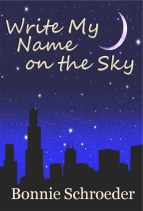
Names and the way they are used in a story also reveal behavior and sometimes emotion. The main character in my novel Write My Name on the Sky goes by “Kate,” but when she exasperates her mother, she becomes “Kathryn Ann.” How many of you remember hearing the sound of your first and middle name as a cue that you were in big trouble with a parent? And if they added your last name—run for cover!
Sometimes the way a name is mis-used in a story can affect the outcome, too. For example, my flash fiction piece “What’s in a Name?” answers that question with one word at the end of the narrator’s date with the man of her dreams. If you want to check it out (it’s only 532 words), follow the link on my website: http://bit.ly/2En7TJw
Yes, names are important to writers, and to readers. And not just the human characters. The animals in our stories need particular names, too. After all, none other than the masterful poet T.S. Eliot admonishes us to give thought to the naming of cats: http://bit.ly/2mZ47xQ
How about you writers: do you struggle as much as I do to come up with suitable character names? And, readers: any favorites among your literary heroes and heroines? Any tips for good name sources?

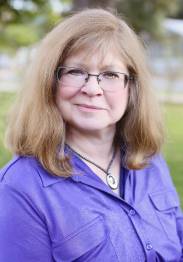 Linda O. Johnston, a former lawyer who is now a full-time writer, writes the Barkery and Biscuits Mysteries for Midnight Ink. She has also written the Pet Rescue Mystery Series, a spinoff from her Kendra Ballantyne, Pet-Sitter mysteries for Berkley Prime Crime. She additionally currently writes the K-9 Ranch Rescue miniseries for Harlequin Romantic Suspense about a ranch where dogs are trained, as well as the Alpha Force paranormal romance miniseries about shapeshifters for Harlequin Nocturne. And yes, they all involve dogs. Her most recent release is her 46th published novel, with more to come…soon.

 Rosemary wrote her first book when she was ten years old – for her little brother. She also illustrated it herself. It was later rejected by Random House!

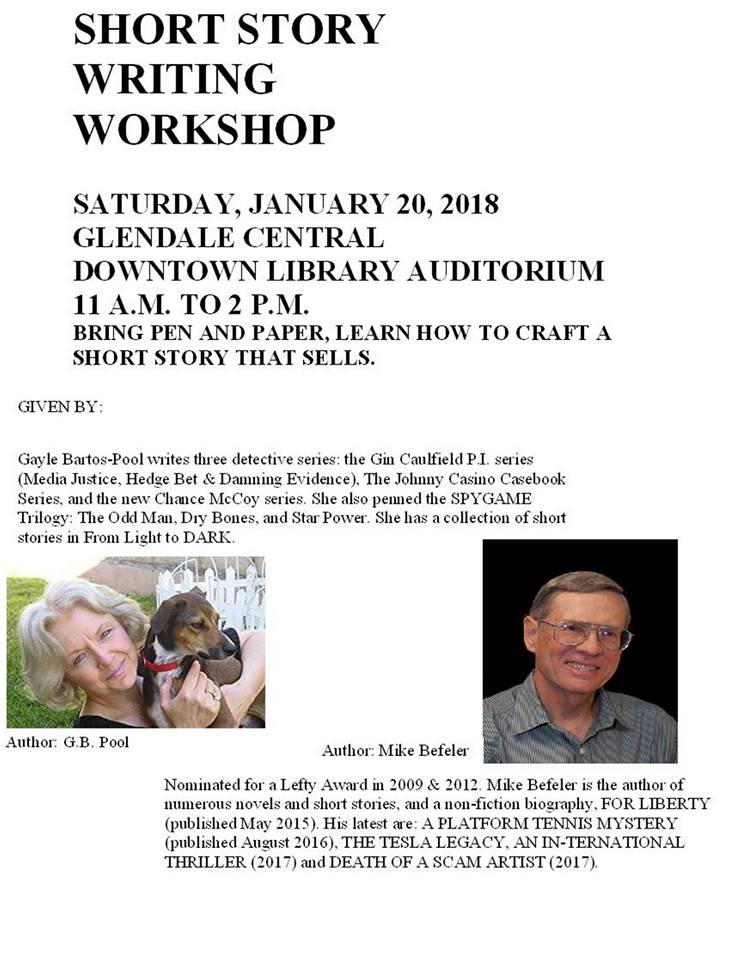


 .M.) Gornell is the author of seven award-winning mystery novels. Her current literary focus is Route 66 as it traverses California’s Mojave Desert. Madeline is a lifetime lover of mysteries. She lives with her husband and assorted canines in the High Desert. Visit her

 by Jackie Houchin
 Just kidding! You won’t get rich from these sales, but you will get “writing clips.” And when magazine editors discover your timely, well-written articles/stories etc., they will approach YOU with their needs.






You must be logged in to post a comment.