We are a group of published writers who come here weekly to entertain, inform, and encourage you in your writing and your reading journey. Grab a cup of coffee, get comfortable, and join us.
Author: gbpool
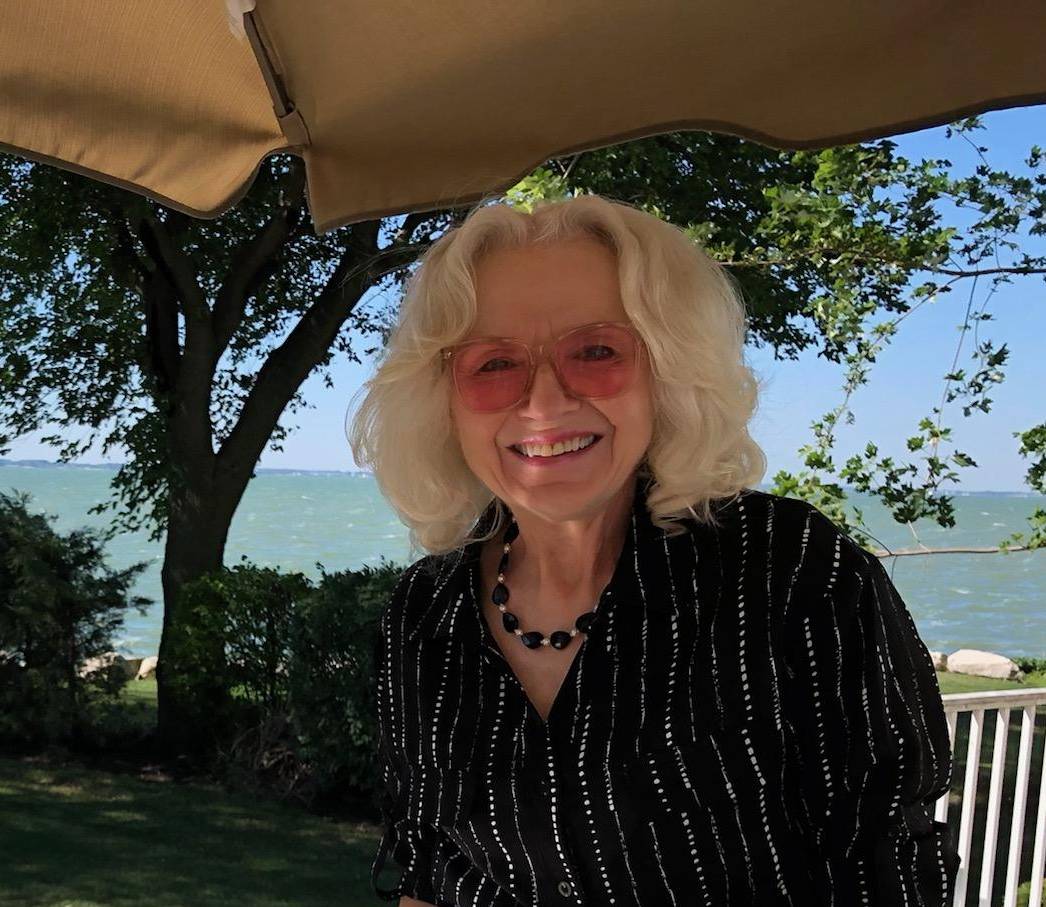
A former private detective and once a reporter for a small weekly newspaper, Gayle Bartos-Pool (writing as G.B. Pool) writes three detective series: the Gin Caulfield P.I. series (Media Justice, Hedge Bet & Damning Evidence), The Johnny Casino Casebook Series, and the Chance McCoy detective series. She also penned a series of spy novels, The SPYGAME Trilogy: The Odd Man, Dry Bones, and Star Power. She has a collection of short stories in From Light To DARK, as well as novels: Eddie Buick’s Last Case, Enchanted: The Ring, The Rose, and The Rapier, The Santa Claus Singer, and three delightful holiday storied, Bearnard’s Christmas, The Santa Claus Machine, and Every Castle Needs a Dragon. Also published: CAVERNS, Only in Hollywood, and Closer. She is the former Speakers Bureau Director for Sisters in Crime/Los Angeles and also a member of Mystery Writers of America and The Woman’s Club of Hollywood. She teaches writing classes: “Anatomy of a Short Story,” (The Anatomy of a Short Story Workbook and So You Want to be a Writer are available.) “How To Write Convincing Dialogue” and “Writing a Killer Opening Line” in sunny Southern California. Website: www.gbpool.com.
If we’re lucky, we learn stuff everywhere we go in life. I did just that when I moved to California when I was twenty-five. I wanted to write for television and the movies. Me and five million other people. Since I didn’t know anything about the “business” of Hollywood, I thought it would be a good idea to take an acting class to see what writers needed to know when creating a screenplay character.
I happened to get a job working for a talent agent, and he got me in an acting class. This one was taught by Bruce Glover. You might have seen him in the James Bond movie Diamonds Are Forever. He played the sinister/funny character that was trying to kill off Bond.
What Bruce taught was when you’re playing a character, large part, small part, or walk-on, have your character do something that makes him stand out. Have a menacing smile or a delivery of your lines that has everybody notice you. Many famous actors started as bit players and went on to fame and fortune when they did something that stood out on the screen. And that doesn’t mean just having a pretty face.
As a writer, I figured that when I wrote characters, large or small, I would give them something that stood out. It might be their clothes that telegraphed what economic bracket they fell into or a whacky giggle to show that maybe their elevator didn’t go up too many floors. Maybe it’s the words they use that show their high-toned upbringing or their lack of education.
While taking that class, I had to do an improvised scene with another actor. We were to be boyfriend and girlfriend who were having problems. As the other actor and I were chatting on stage pretending we were seeing eye-to-eye while all the time pointing out the major problems we were having with the other character, I had a piece of paper in my hand that I said was the love letter he had written to another woman. I kept folding it in half, long-ways, until it looked like a knife. Obviously, my character was signaling what I wanted to do to my soon-to-be-ex boyfriend. Actions speak louder than words sometimes.
I try to give most of the characters I write that little bit extra to define them, too.
That acting class wasn’t the only one I took. I got lessons from Rudy Solari and Guy Stockwell. Both men had long careers in Hollywood. What Rudy had actors do was write a biography for the character they were playing so they knew exactly who they were when they stepped on the stage. It didn’t have to write pages and pages, just a brief background of that character, stating where he came from, how he was raised, his education, and what he wanted out of that scene.
What this did for the actor was let him know what motivates his character because in a screenplay, the writer usually just provides the dialogue, maybe how the line should be spoken like a whisper or yelling, and a few physical actions like running away or punching someone. Of course, the director will provide even more of those directions.
But the writer of a novel or short story needs to know who this character is, what motivates him, and things like his age, hair color, and stature, because when you’re writing a story, you don’t want to get to page 275 and have your twenty-five-year-old character with black hair all of a sudden be a thirty-six-year-old blond.
I write a short biography for all my main characters, adding to it as I think about what their past might have included that will help the current story angle. And I keep a Character List for everybody appearing in the story so I know who is who, and who they know, and why they’re there. It sure helps when I get to a spot and need to know all the previous things I wrote about that character like their age, hair color, or their role in the story.
And something else about those two acting classes, they gave me the confidence to get up in front of an audience when I’m talking about the books I wrote. I already know my motivation: get people to read.
Not every writer does this but let me just say this…my characters made me do it.
I have written a couple dozen books, mostly fiction, with a few books on how to write thrown in because I wanted to help other writers get their ideas on paper and into print. I write mostly detective novels because my wonderful husband, Richard, said something that changed my life when I couldn’t get my spy novels published early on in my writing journey. He said: “You used to be a private detective, so why don’t you write a detective novel?”
Words of wisdom from a smart man. So, I wrote that first detective novel, got it published and wrote a dozen or so more books as well as several short story collections featuring a detective or two.
But something happened while writing those books. When I was working on the second detective series featuring a guy named Johnny Casino, I did something my old acting teacher taught me. I didn’t want to be an actor, but I thought that class was a good way to learn how to write dialogue for the movies or television. What Rudy Solari taught us was to write a short biography of the character we were playing so we knew who that character was when we walked onto the stage.
I used that method to get an idea who the main characters were in the books I was writing. While I was writing about Johnny Casino, I let him “talk” and tell me who he was. What I learned was that he had been trained by the first detective I had written, Ginger Caulfield. Who knew? I guess those two characters knew it.
When I started the third detective series about a cool guy named Chance McCoy, lo and behold, he knew Johnny and had been trained by Gin, too. But the coincidence didn’t end there. One of the characters in the three spy novels I penned is a friend of Gin Caulfield. And Gin’s uncle is the main character in those spy novels.
So, after writing three different detective series, I have three detectives who all know each other. But it didn’t end there. These private eyes know this other guy from a stand alone novel I wrote years earlier. The character, Jason Kincaid, has recently retired from the police force at this point in time. There’s a reason he retired, but that’s another story.
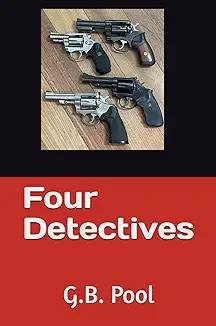
Now I have these four characters who all know each other. What do I do with them? Why not have them start a new detective agency and see what happens. So Four Detectives was written. It consists of four stories from each member’s past and four new stories after they start working together.
But there is something else about these people. They have something in common that started in their respective pasts which is the real reason they know each other now and are working together. When they realize this, everything changes.
Hey, this wasn’t my idea. They told me their story and I just wrote it down…
There was a saying once upon a time that newspapers were only good to wrap fish or garbage in or perhaps line a bird cage. Now that we have TV News and the Internet, most people don’t even get a newspaper, so the acquiring of news today is a different animal. The quality of that news remains the same: Questionable.
But ripping a story from the headlines in order to write something comes with baggage. The baggage is the “truth” of that story. Is it true? Is it hype? Is it garbage? As for me, I prefer stories that create their own world. Maybe a dollop of flavor from the headlines, but I want my stories to have a life of their own. I want the reader to see something new, not something they are bombarded with on TV, Facebook, Instagram or X.
The old movie The Three Faces of Eve was supposed to be a true story about a gal with multiple personalities. Years later it turned out the patient lied. I wonder what else I read or hear is a lie.
If I take a story from the headlines, I use the “What If?” approach and see what would happen IF that headline was turned inside out and upside down and I created something totally new. I might follow a paved road for a while, but before long I take that detour to something entirely different.
A fellow writer, friend, and someone we lost several years ago, Paul D. Marks, wrote an article on this topic on a website called Criminal Element back on October 19, 2018. The title of his article was Fiction Is The Lie Through Which We Tell The Truth. The title itself has been attributed to Albert Camus, but if you look it up, people aren’t sure Camus even wrote it. Fact or fiction strikes again.
My comments at the beginning of this blog are more or less what I wrote in response to Paul’s very good article. The pull quote from Paul’s piece was this:
“The best writing makes you think, but it doesn’t tell you what to think. A crime writer can illuminate aspects of society, good and bad, without being preachy or moralistic.” Paul D. Marks
I responded to a comment Paul made on his post by pointing out: “Your White Heat novel did just that, Paul. You took a real time in history, but wrote totally your own story around it. It’s that world I like to read about, not one that’s on TV 24/7. Truth might be stranger than fiction, but fiction, if it’s done right, is far more entertaining. And it doesn’t leave a bad taste in your mouth. It is exactly what you said about Sullivan’s Travels. Sometimes people just want to be entertained.”
After re-reading Paul’s post recently, I wondered had anything changed. After all, that was over five years ago. What has changed? The news on all the available media sources have gotten stranger, more dire, sometimes just plain scary. In fact, some are so odd I have to laugh. Then there are those news stories that change from day to day. Not a different subject, just the “facts” in the first version we heard wasn’t exactly accurate, so they had to retell the story. You could conceivably call the first story a lie, so maybe we can just call it “fiction,” even if it was on a news channel. We all know when something earth-shattering happens the facts aren’t really known right away, and the story has to be verified by several sources until the actual facts are known. We just hope those “facts” are really true.
That’s why I prefer a good book or an old movie. That’s also why I write fiction to tell a story with a point and good characters to entertain the reader, not indoctrinate the reading public with something I saw on the Internet or heard on the news that might turn out to be even stranger fiction than Abbott and Costello Go To Mars. That’s a movie about a couple of guys who accidentally launch a spaceship and think they are heading to Mars, only to land in New Orleans during Mardi Gras. They think they are really on Mars since everybody is in costume. Two bad guys chase them back to the spaceship and they head off again only to land on Venus that’s populated entirely by women who hate men. (That sounds as goofy as news reports today, doesn’t it?) Well, the guys are sent back to earth, but frankly, the 1953 movie isn’t any odder than some reports saying American astronauts didn’t really land on the moon. (Scotty, Beam me up!) Or how about the one about life on earth will end in ten years? They’ve been saying that for fifty years. Can anybody trust the news?
Fiction is more fun, and I can write my own ending. I like my characters better than some of the real people I see on the news, and I can render a fitting end to the bad guys I write into my stories. So what if I live in a fictional world… Wouldn’t it be nice if the real world was like some of the books we read?
And remember, some people are rewriting the actual history we have lived through…Sound familiar? George Orwell wrote that story in his book, 1984 back in 1948. His book was fiction…or was it a blueprint for what lies ahead in today’s world? Brave New World, Fahrenheit 451, and Animal Farm have some thought-provoking themes as well. Maybe we should write books that show how we want the world to be in the future…Hope they have a happy ending. At least my books have the main characters fighting for that better world. How about you?
I’ve learned a lot from other writers. This blog has allowed me to gain knowledge about what we need to do to get those words on paper or into our computers. We might have a few different technical methods for getting that story actually written down, but many times I’ve noticed that we use similar ways to come up with the narrative.
Many writers actually let their characters “talk” to them so they can craft a unique person in their story. I’ve done it so often that I rely on that connection with those characters when I’m writing.
When I first had the idea for my Johnny Casino books, I sat down and basically let Johnny give me a two-page monologue about who he was. That “chat” ended up being the opening pages of my first book about Mr. Casino.
I learned about creating a biography for a character when I took acting classes from a terrific actor named Rudy Solari. He told us when we were doing a scene from a play to write out a short bio about the character we were playing. The script might have the words and the actions of our character, but Rudy wanted us to know more about the person we were playing like their education, where they grew up, and how they viewed the world so we would know who our character really was when we first stepped onto the stage and delivered our lines.
I use that method when I write my characters in my short stories and novels. When I start crafting the story, I jot down the name, age, general attitude and some special characteristic of that person so I can keep track of him or her throughout the story. I don’t want a 25 year-old blonde named Mary to turn into a 45 year-old red head named Mildred later on in the book because I forgot who she was supposed to be.
That lesson from acting class has stayed with me for over fifty years. It works. I learned a few other things from actors, other writers, and by just honing my craft. But for many years I thought I should share this stuff I was learning with other writers, so when I became Speakers Bureau Director for Sisters-in-Crime/Los Angeles, I thought I would put on a few classes to let other writers know how I got words on paper.
This “giving back” to fellow writers became something I have done for years. Not everybody can give money to groups and causes they endorse, but we can give of ourselves. I’ve done this by speaking at women’s clubs, libraries, and to other writer groups. And the times I’ve been on a writers’ panel has always been fun, because I learn new things, too.
Something else I try to do is to encourage people, not just somebody wanting to write that first novel, but to regular people who have lives that are frankly extremely interesting. I tell them to try writing their own autobiography so they can share their life experiences with their family and friends and maybe a whole bunch of other people who learn that this person they just met has a book out there about their incredibly interesting life. That just might prompt the next guy or gal to jot down a few of their own memories for a book of their own. But somebody else learns from that memoir – the writer. They learn things about themselves. Nothing wrong with that.
I want to encourage people to write and to read. Both are becoming a lost art. Look at the handwriting of kids and even young adults nowadays. It looks like a first grader. Ask a teenager what was the last book they read. You’ll be lucky if they ever read a book outside the classroom.
By encouraging people to write, we might get a few more words on paper, a few more ideas in print, and a few more interesting stories to keep people company when the Internet is down. People might actually see there really is a world out there and they are an interesting part of it and they have a few stories to tell as well.
Read On, Write On, and Teach Others!
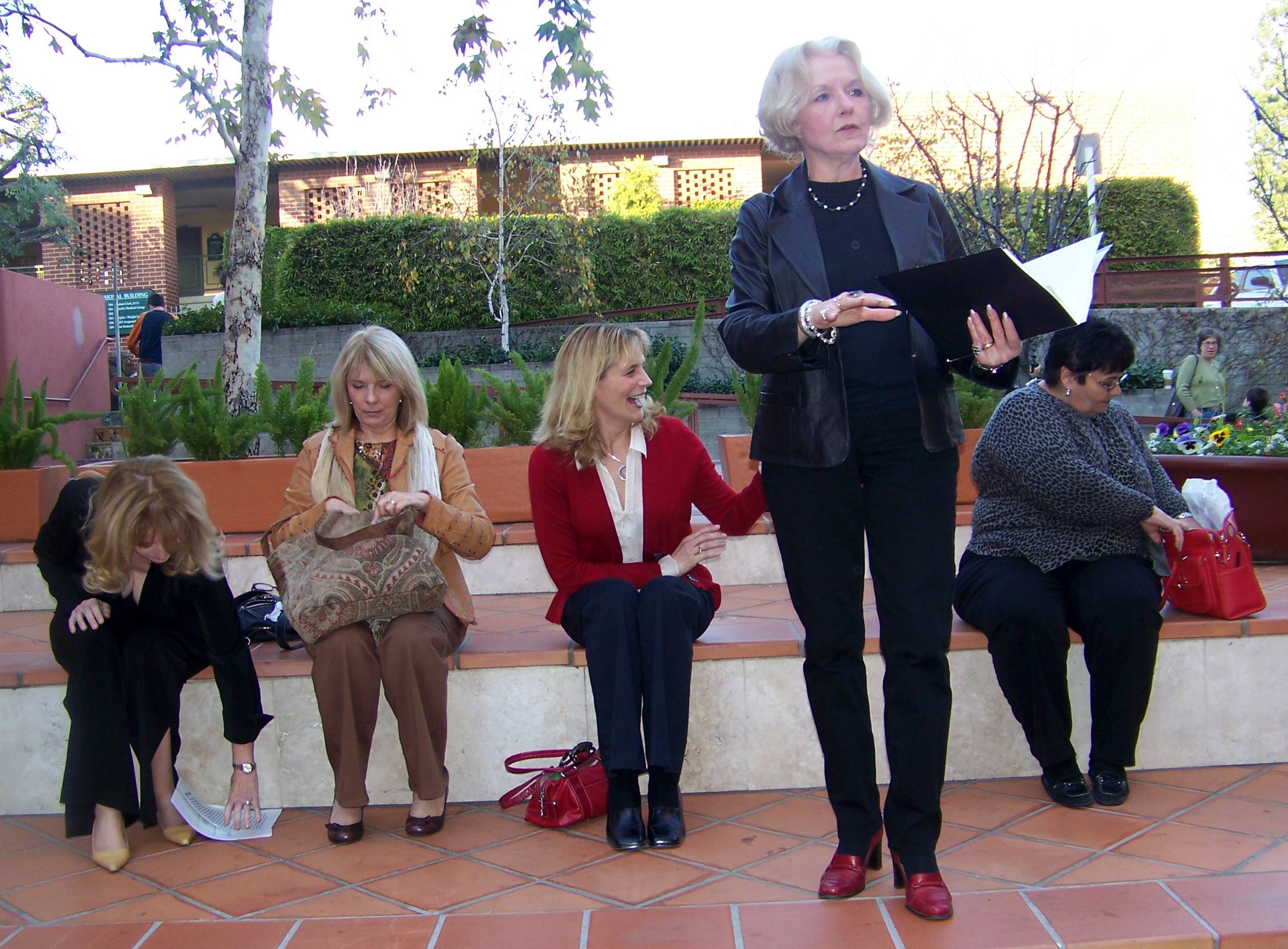
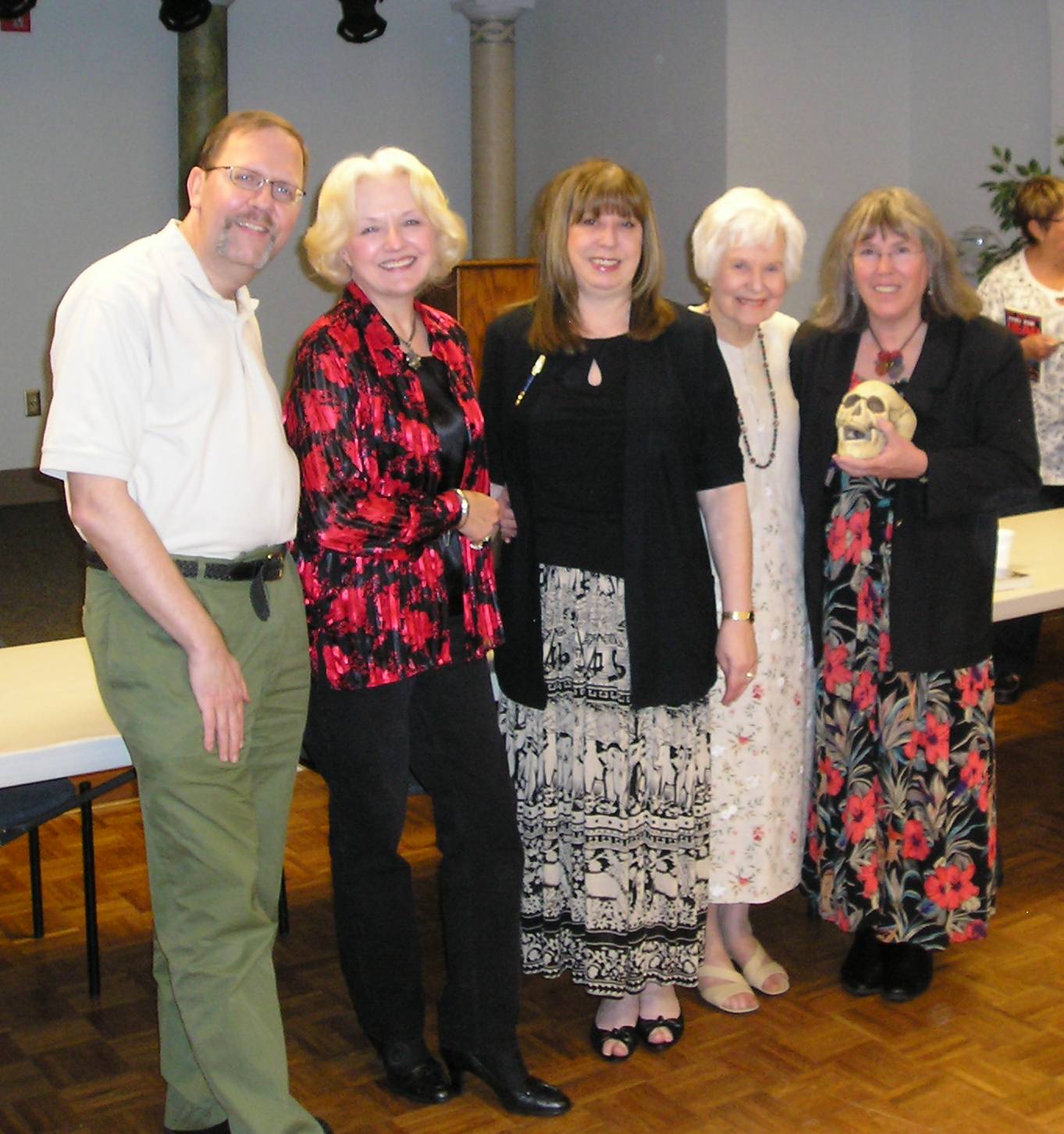
Here are a few of us Writers-in-Residence at one of the writers conventions.
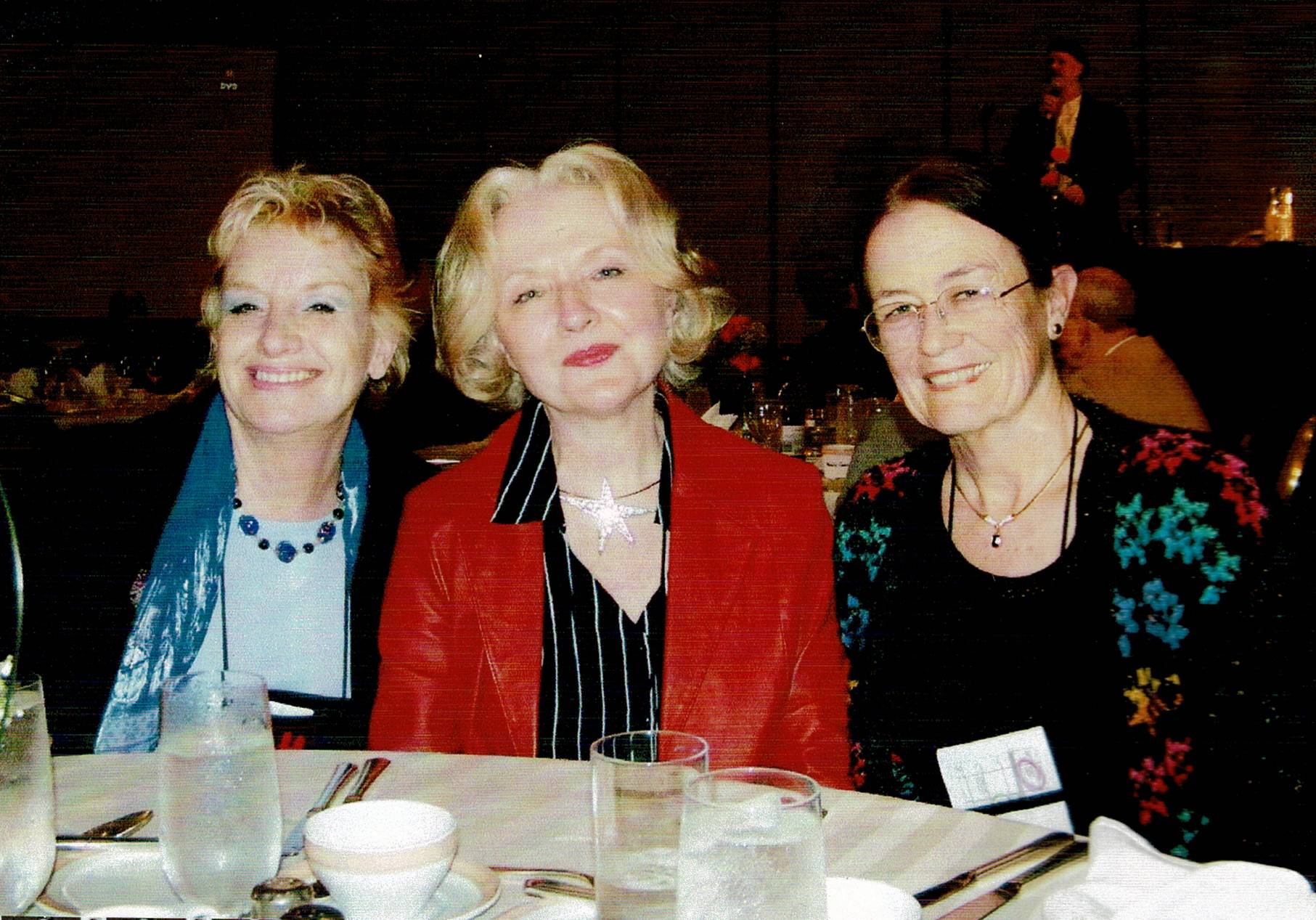
Rosemary, me and Jackie
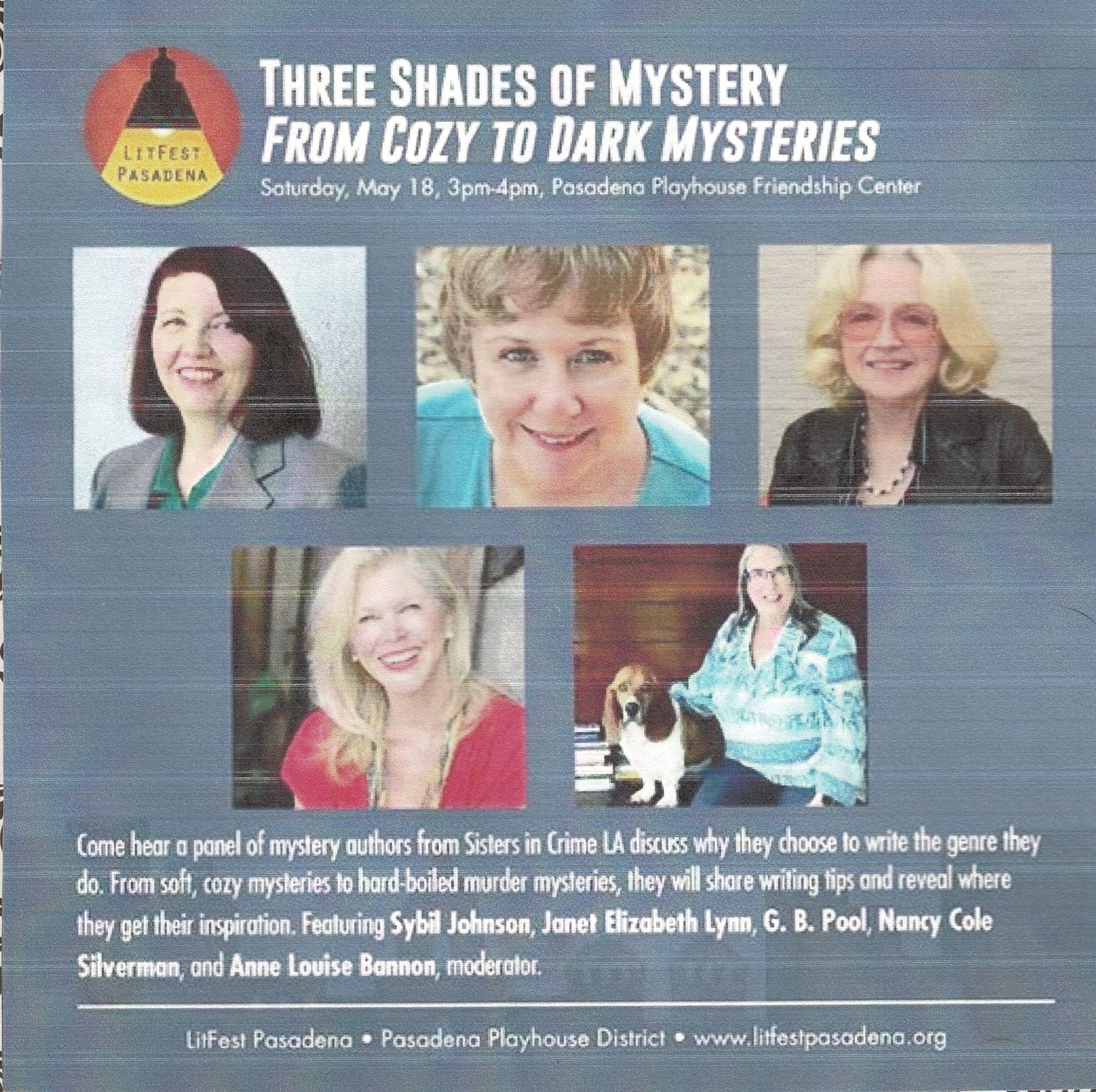
Or how about one of the panels I put on at the Burbank Library. It was a Total Hollywood moment…And yeah, I had fun doing those events.
I have read a lot of mysteries over the years and have written quite a few myself. My detectives, whether they are a professional or a talented amateur, always gets the bad guy or gal. Writers like a happy ending.
Most detectives, private or otherwise, usually spot a few clues toward the end of the story that help them pinpoint the culprit responsible for the previous mayhem. Jessica Fletcher in the Murder She Wrote TV series usually came across a major clue early on in the hour show, but she doesn’t put two and two together until after the last commercial break. It might be formulaic, but most of us like the show and the redundant plotline enough to come back for more.
But there are a few variations of the theme that are kind of fun to write. While I was writing one of the new stories in my latest book called The Four Detectives, I was having trouble with how I was going to finally catch the would-be killer. In this new book, I have taken the three private detectives from my three previous mystery series, added a retired cop from a stand-alone book, and have them join forces in a new detective agency. But I couldn’t figure out how to get this one P.I. to catch the killer before she struck again.
First, I was going to have the killer turn the tables on Ginger Caulfield and blame her for the killing she was planning, but after researching how long it would take for Gin to go to court and deal with lawyers and judges and the media was way too time consuming. Some of these court cases take years. This was to be a short story, not Gone with the Wind.
I knew how I wanted Gin to get ensnared in the plot against her, but getting her out was taking too long, so I had another thought. What if she smelled a rat early on and turns the tables on this would-be menace?
Not that this hasn’t been done before, but I wanted to actually drop a ton of clues throughout the story so my readers might start getting the hint early on and guess what was coming. This method would allow the reader become the detective, too.
I did this by putting quotation marks around a few words. That usually means the word has a double meaning. And I have a character grin at certain times after they say something that might not require a grin. That telegraphs to the reader that the statement probably has a hidden implication. Or I had a character hesitate when they shouldn’t be hesitating. That usually means somebody’s lying. I added a number of these “tells” just like a bad poker player does when his actions let other players know what kind of a poker hand the guy is holding. Usually a bad one.
As for me, the writer, I wanted to give the reader some clues that they might put in their fertile brain to see if they could solve the case along with my detective. It was a fun journey and I think my private detective got a laugh out of it, too.
Writers always need a way to tell a story that entertains the reader, but it’s fun for the writer when they can have some fun as well. Write On!
Through the centuries man has written novels and other stories using that plan old Aristotle, born in 384BC, came up with and documented in The Poetics. He said there are 5 Basic Elements used in writing a story: Plot, Character, Dialogue, Setting, and the Meaning of the story. He was so right. As for the people who populate said story, many authors utilize the “Character Flaw” idea to give their main character some quirk that might trip them up while pursuing their goal.
Whether it’s a private detective with a drug problem (Sherlock Holmes), a gal who drinks too much (the woman in The Days of Wine and Roses), or even the kid who can’t tell the truth (The Boy Who Cried Wolf.), when the reader learns the character has this flaw and also learns what the goal is in the story and what the roadblocks are in trying to achieve that goal, there will be anxiety on the part of the reader to see if the hero can overcome his or her problem and succeed.
This method has been used for centuries and works, but there have been other ways to toss a curve to the hero just to see how he or she handles it. A blind main character (in the movie: Wait Until Dark) or a blind detective (the movie and book called exactly that: The Blind Detective) or a hero in a wheelchair (the TV show: Ironside) worked just fine in catching the bad guys.
A physical handicap can actually make the hero stronger. I’ve known real people who had severe health problems turn into some of the strongest people I have ever seen in my life. But a drug addict or an alcoholic isn’t exactly wearing a badge of courage. I’ve also known people who had those issues as a part of their character and who had no intention of getting rid of them. I probably wouldn’t turn to them in a crisis. In a story they might be the main character with what is known as a “fatal flaw” who solves the problem or reaches the final goal as he dies on the last page. That’s been done, but it’s a bit of a downer.
But there can be other ways to give the main character something to deal with besides thrusting negative points on him. In fact, some TV characters don’t really have major flaws, but some of their friends do. The main character in the series Magnum, P.I., and Jessica Fletcher in the TV show Murder, She Wrote were basically good people, but some of their acquaintances had problems. Usually those problems were thrust upon them by someone else, otherwise known as the villain, and the hero has to solve the case before the jail cell closes on their friend.
So, are we supposed to make our main characters flawed? I’ve read some best-selling books where the hero had flaws that were rather unpleasant and I only read one of their books. I didn’t find that trait a selling point. I often say that I want my main characters to be people I would invite to my house. They don’t have to be sickeningly sweet or holier-than-thou, but I would like to respect them.
But these heroes might have a friend with a major flaw and part of the story is to get the friend on the right track so they don’t die or end up in prison. You can even have the hero mention that he almost went down that same path until somebody straightened him out. My Johnny Casino character used drugs when he was a kid while he was growing up in the Mob. They were importing and selling those drugs until a local priest challenged him to a boxing match and whooped his little butt. Johnny never touched a drug again. This revelation in one of the stories let Johnny use himself as an example to help somebody else shake their dependency.
I’ve wrestled with the notion that the main character should have something wrong with him since that theme is prevalent in many books and movies, but I prefer my main character to have either overcome some minor flaw or never really had one in the first place. Most people I know aren’t one step away from the slammer or psycho ward, so I’m not stuffing my character in that camp. He can have doubts and reservations, but in the end his upbringing and persona got him where he is, so I’m not going to let him fall into a pit. And anyway, that’s what heroes are…heroes.
People with problems don’t usually go to people with their own troubles. They go to the guy or gal who made it through the gauntlet and survived. We learn from characters like that, so my heroes fight to keep on an even keel and get us all to shore.
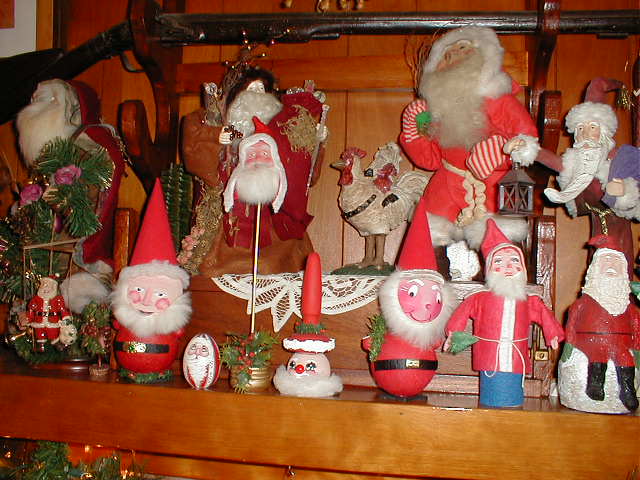
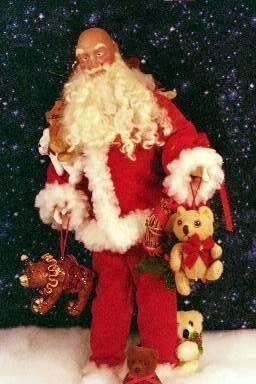
Most people who know me know I love Santa Claus. I have a rather large collection of Santas. About 3000 of them. Some are Christmas cards, old and newer ones, vintage Santa stickers, and assorted paper Santas, but two-thirds are figures, large and small. My basement now houses a good selection of these treasures, set out all year.
OLYMPUS DIGITAL CAMERA
(The Santa with the striped gloves was the first. The others are some I made through the years.)
When my dad was stationed in France when I was in my teens, we went to Germany and I got my first Santa. That was 1963-66. Later, when I had moved to California and started working for a miniature store that sold dollhouses, the owner also had a room dedicated to holiday decorations. She had it open for Easter, Halloween, and especially Christmas. Since I could buy things wholesale, I did just that and added to my growing collection. We would also go to the Rose Bowl Swap Meet in Pasadena every month and I could get small Santas for $.50 to a few dollars. That was great for my limited budget.
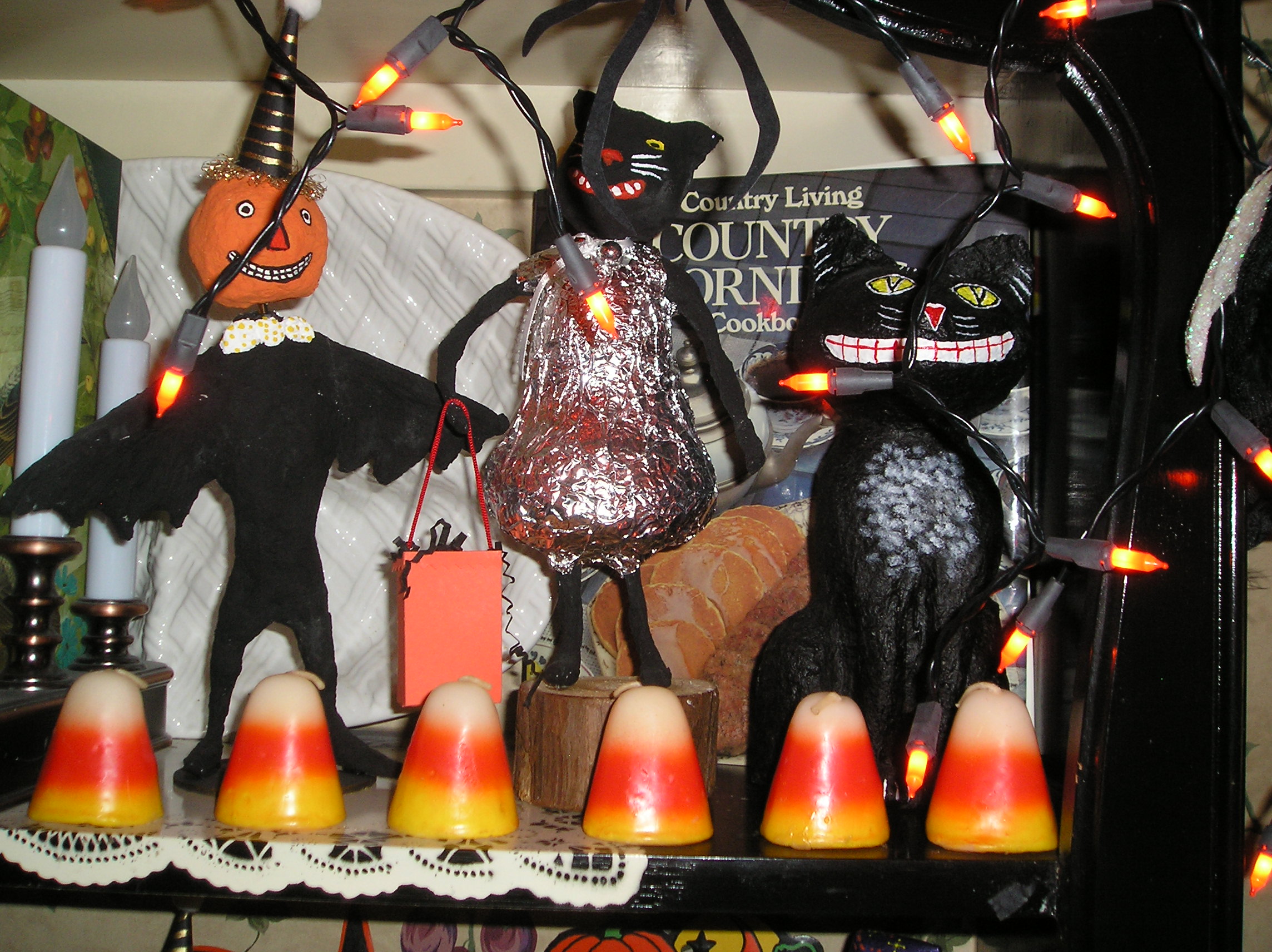
My collection started to grow. I saw some really nice Santas and other holiday decorations in magazines. These were for Halloween, Easter, as well as Christmas. Now, I couldn’t afford most of these cool items, but I could make my own version. And I did. This added to my growing holiday decorations collection.
This is one of the Santas I made. Jackie Houchin mentioned that most of the ones I crafted had a bald head just like Richard, my beloved husband. Maybe that’s why I did them that way.
OLYMPUS DIGITAL CAMERA
(These I made after seeing ones like them in magazines. Hey, I’m on a budget.)
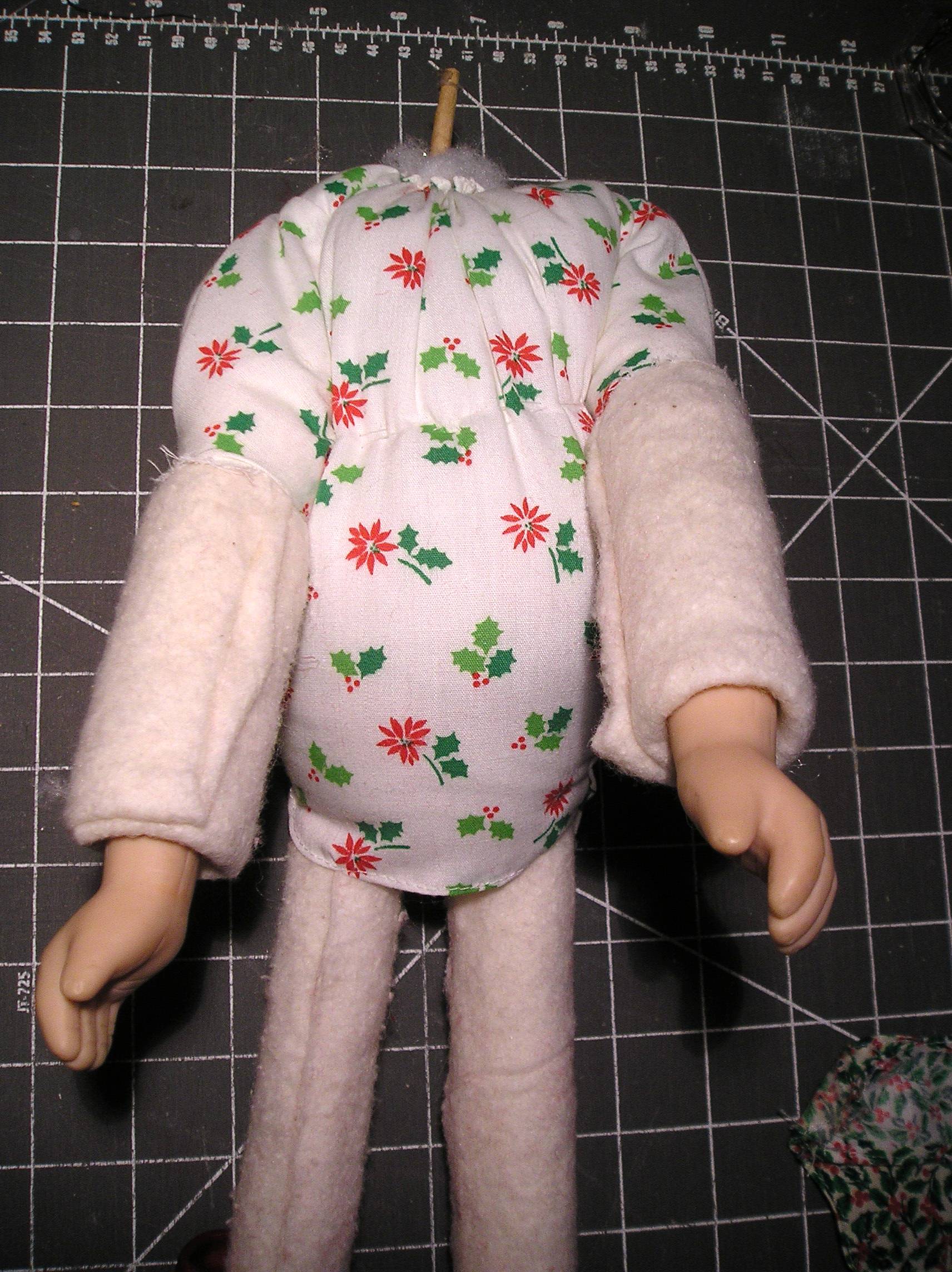
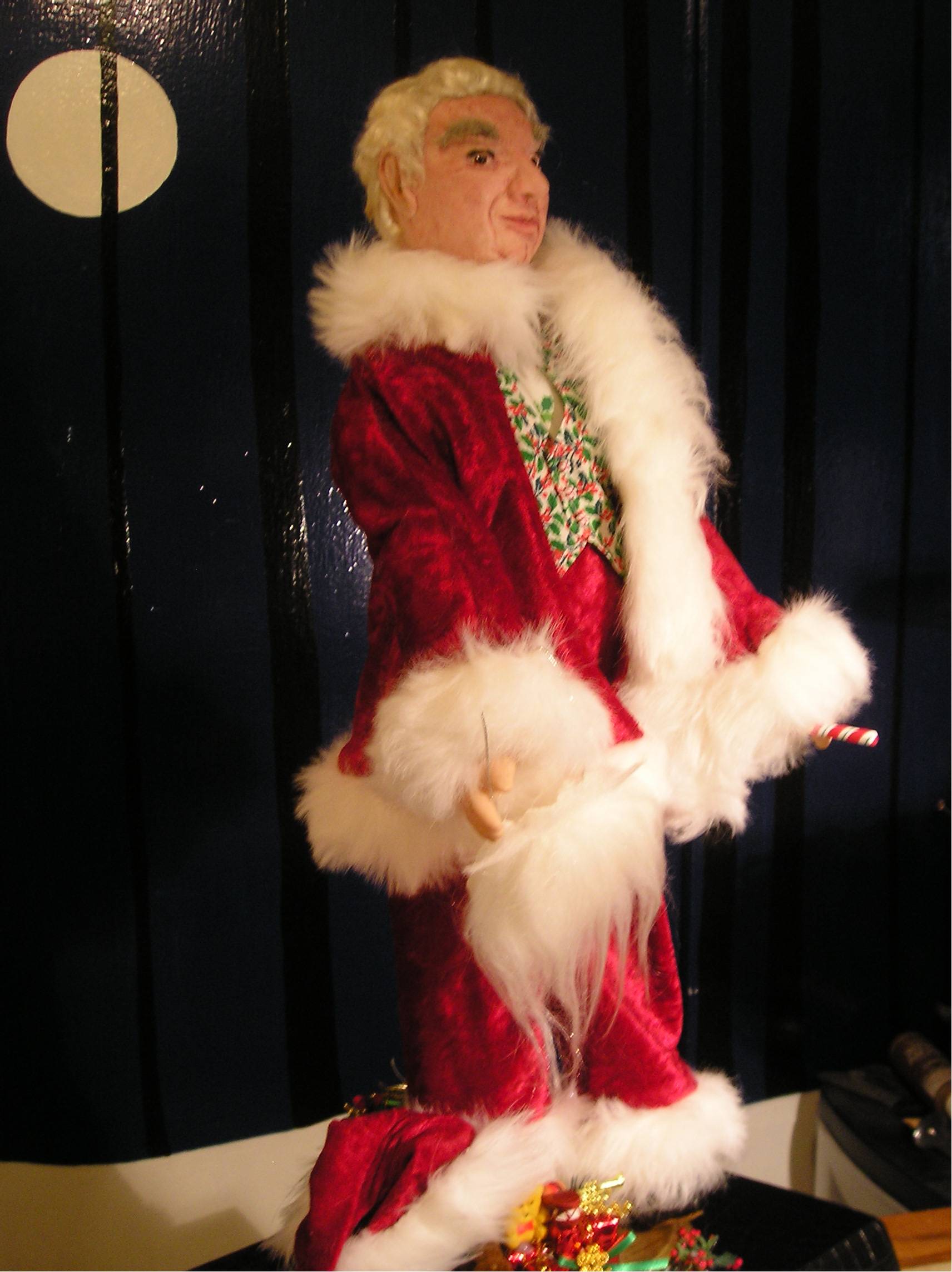
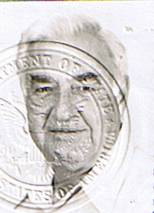
After a while I had a revelation. I actually had an older Santa than the one we got in Germany. That was my dad. He was born on December 6, 1917. That is St. Nicholas Day. So, my dad was my first Santa. To commemorate that event, I made a figure of my dad in a Santa suit. It makes me smile every time I see it amongst the other Santas that I crafted.
OLYMPUS DIGITAL CAMERA
But my dad being born on St. Nicholas Day doesn’t end there. You see, my dad gave me so much, just like Santa does for kids and us kids at heart. First, he gave me life along with my wonderful mom. That’s just about the greatest gift of all if you think about it. He provided me with a great education and I don’t mean just college. He was there to teach me how to fix things around the house if they got broken. He built a den onto our first house in Memphis with his own hands. I might not have built a house, a large one, but I sure built my share of dollhouses. I even designed and built one from scratch, not from a kit. Just knowing my dad had that skill made me believe I could do the same thing.
When I left their home in Memphis when I was twenty-four and moved to California, my mom was worried about me heading off to this new place, but my dad said that they had raised me well and that I would do just fine. I heard him say that. And by golly, I did manage to make a life for myself in the wilds of Southern California. His faith in me kept me strong.
Dad gave me another gift, the “git ’er done” attitude. If something needed to be done, he always found a way to do it. He was a pilot in the Air Force and many times he did the impossible because something had to be done. I have maintained that attitude in my business and well as personal life. Dad was a great role model.
So when I think of Santa Claus doing nice things for kids and grownups alike, I think of my dad. He was my first Santa and on December 6th I think of him and St. Nicholas. Thanks, Dad, for helping to make me who I am. Being that role model was the greatest gift you could have ever given me. I love you. Happy Birthday.
(Dad’s passport photo and one with Dad and me when he took me to work one day way before it was done as a regular thing.)
Ideas for stories come from everywhere whether it’s a person, a memory, a trip, a news article, an object or a picture. Something triggers a writer’s imagination and a story starts to form. Every short story or novel I ever wrote came from something I came across in my life. My three Christmas novels are no exception.
Bearnard’s Christmas was the first one. Many years ago I worked at a miniature store in California. It was one of the first of its kind in the country and the owner had a great store. She also had a holiday shop in a backroom off the open patio. We did Easter, Halloween, and most of all, Christmas. I could buy Santas for my budding collection wholesale which helped my bank account, but we also went to the Rose Bowl in Pasadena when they had their monthly swap meet. I could get Santas for $.50 to $1.00 way back then.
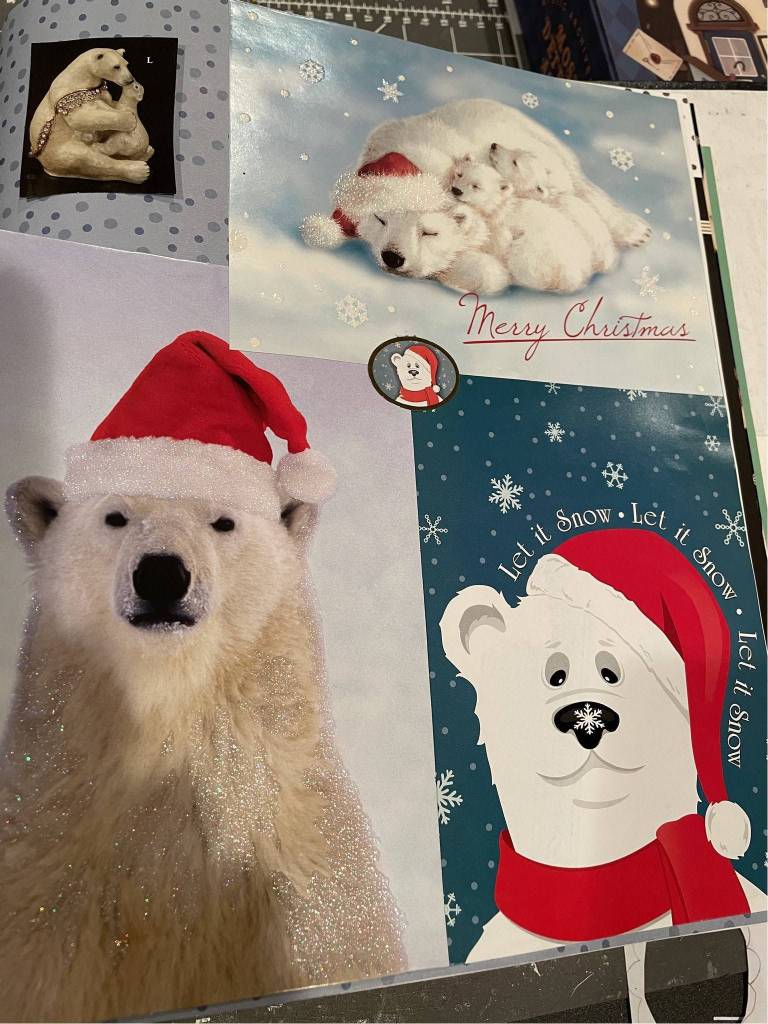
But Kay Kelley also had Christmas cards. I remember seeing one with a Polar bear in a Santa hat. Bing! That got me thinking about a story about this Polar bear who helps Santa and a lady who just happened to collect dollhouses who ends up at the North Pole one Christmas Eve and helps both Santa and Bearnard, the Polar bear.
Now, on my salary, I couldn’t afford to buy a dollhouse, much less a castle, but I could sketch one out that fit my story. Then I started writing that story. A few years later the shop closed and I had to find another job, but I finally found a new one that paid more in salary and I also met and married my wonderful husband, Richard. Within a few years I could buy a dollhouse kit or two, but my story was about a castle.
By then, I had written my story, but I figured I should build the castle to go with it. I did. And I fashioned the characters in the story out of clay and took pictures of everything for my book. Eventually I got the book published.
OLYMPUS DIGITAL CAMERA
Then I saw this Christmas card with a mechanical Santa. Bing! Another idea popped into my head. What if Santa had mechanical likenesses of himself made that could be sent around to stores so his favorite stories could be told to children in his own voice? Santa has his elves make a few mechanical Santas, but a bad guy has them reprogrammed to tell kids to demand more and more toys. What is Santa to do? The Santa Claus Machinetells that story.
A few years later I happened to find this dragon ornament at the hardware store. He was just a little guy, but cute. While I was walking one of our dogs one day, I happened to spot one of those stretchy things girls use for their ponytails on the sidewalk. It was sparkly and just fit around the little dragon’s neck like a Christmas wreath. I slipped it on him and then took him upstairs where the Santa Castle was sitting. I placed the dragon on the roof and said: “Every Castle Needs a Dragon.” Bing! Guess what the name of the third book is?
A Christmas card or two, an ornament, and some imagination provided me with three story ideas and three books. Ideas do come from those things. But there is another holiday story that I wrote that had its own origin.
After the miniature store closed, I got a job at two stores in the Glendale Galleria before I got the better job at a bank. First, it was in a card store and then a bookstore. Both had their moments, but at the mall during the holidays, they had a Santa Claus. We’ve all seen them at stores as we were growing up. Well this guy was a neat Santa, but when kids weren’t around he sang. He had a microphone and he would entertain us with all kinds of songs. Bing!
I moved my singing Santa to Las Vegas where he started out as a lounge singer in really small places, but his agent, just an employment agency guy, gets him a job as a Santa in a mall during the holidays. He meets this little girl with an illness who needs some help and this Santa has to decide between his career and this kid. A few things pop up to let him know what life is all about and he makes his decision. This book is called The Santa Claus Singer.
(All books are available on Amazon.)
So ideas come from everywhere. It just depends on what you do with those ideas that determines if you get a story out of it. Write On!
We’ve all done it… Time Travel, in a book. Or maybe in a flight of fancy or even in a dream. But it’s that journey we get from a novel that interests me as a writer. I wouldn’t have thought about it had I not been reading a book by a favorite author. It was published in 1992. The title of the book and the author aren’t necessary to mention because I like him too much and obviously the publisher and booksellers and fans at the time weren’t thinking about how the book would be received in the future more than thirty years later. But I’m thinking about it now after I had finished some eight chapters of the best seller.
On almost every page there was a reference to a political figure of the time, a current joke going around, or a character in a popular television show or movie. I knew what the author was talking about, but I can bet quite a few of the people in the generation right behind mine wouldn’t understand half of the comments and people in Gens X, Y, Z or whatever young people are calling their particular era now wouldn’t have a clue to what was being said.
I personally can testify that 90% of the current actors, movies, on-line places one would go to be “entertained” or God forbid, enlightened, don’t mean anything to me today. I haven’t read a book written by the younger generations, at least those in their 30s or 40s, if they have ever written a book. Since many high school and even college graduates aren’t exactly proficient in writing our language or maybe even their contemporary slang, maybe there is nothing to read from their generation anyway.
Am I cynical? Yes. Should I be? Yes… and No. I have to be cynical when I see news stories that show some areas of the country have entire school systems with zero kids graduating who can read or do math. And No, it’s not cynical to want the country to do a better job educating our kids so they can write a book, much less read one and to know that 2 and 2 equals four, not five. (There’s a reference there if you care to look it up.)
But there have been books written by older contemporary authors who do a great job writing about bygone eras. How do they do it? They give the reader a nice history lesson along with the story. Their research lets us see what Jolly Old England looked like over two hundred years ago or other places in history. If they do a good job, the reader can “figuratively” walk down a street in London during Sherlock Holmes’ time or Berlin during World War II and see how people lived back then. The scenes are as much of the story as the plot and the characters and the reader gets to learn a little something along the way. Even in science fiction novels we can see the “future” through the writer’s eyes. That’s always fun.
But in a contemporary novel, what if every humorous or “ripped from the headlines” comment mentioned is so obscure the reader thirty-forty years hence won’t understand any of it? When I wrote my three spy novels covering the time from the Second World War up until the early Nineties, I understood the eras, but I had seen a lot of movies made during the war, read quite a few history books on the topics I was covering, and lived through the fifty-plus years after the war. I have to hope they still show some of those great movies made during that time period so future readers have a chance of understanding parts of that history in my books.
But what does a writer do now? Continue dropping current events into their stories just for current readers? How did Arthur Conan Doyle manage to write a story that has lasted through the ages? Even if you never saw the dozens of movies and television series based on his Sherlock Holmes character, the stories are still totally understandable. One thing I can say, he didn’t drop tons of humorous quips into the mix.
When I write a story told in the First Person, the character, if it’s a male, doesn’t have the opportunity to wax eloquently about the surroundings other than a casual mention. Perhaps a woman would comment about the furniture or wallpaper in a room or the fabric in a dress someone wore, but guys usually don’t do that if the story is in First Person. The book I was reading by that famous author wrote in Third Person and did drop in lots of references about everything: clothes, gadgets, politics, movie stars and other current events. My characters, whether it’s a guy or a gal, will often drop a clever remark about something reminding them of a television show or movie, but after reading the book that opened this article, I might not do it as much unless I give a few more details about the show I’m referencing.
I have actually watched reruns of a few television shows done maybe ten years earlier from this current time, but ones I had not watched when they were new, and even in those shows there were one or two references that I didn’t understand. Maybe that’s because I stopped watching television about twenty years ago and haven’t been to a movie in about thirty years. I can’t say it’s my loss, because when I have tried watching a few TV series that I missed when they were new, but was watching them in reruns, they weren’t very good and I stopped watching. To be honest, there have been a few movies and TV series I have watched on television done over these past 20-30 years that weren’t bad. Mostly science fiction or adventure: Galaxy Quest, Star Wars, The Mummy.
But if I want my books readable for a younger audience even when they get into their forties, what do I need to do? Watch contemporary stuff and try to mimic it? I don’t think that’s going to happen. But I will cut down the clever references to favorite television shows and old movies because a whole lot of those particular shows might never be shown again. The future’s loss. Or, perhaps, I will try to explain the reference to the show so even a space alien would understand it. That might work.
As often happens when I’m writing an article or even a book, I will have watched a movie that is pertinent. In this case it was Demolition Man starring Sylvester Stallone and Wesley Snipes. The movie was made in 1993, but the opening scene is supposed to be in 1996, when two guys, a rogue cop and a psychopath, lock horns, cause chaos, and as punishment are frozen for over thirty years for their deeds, but when Snipes is thawed out in 2032, he escapes and starts causing mayhem, but since the “new world” is supposedly crime free, they need to thaw out Stallone so he can catch the bad guy since nobody in this “future” knows how to deal with a criminal.
It’s a fun plot. But in the future, 2032, which is only ten years from the time of this writing, 2023, things are different from the world back in 1993 when the movie was made. But even though the writers of this movie were making up what the future would look like, they hit a few nails on the head. Nobody used cash anymore. Everything was credit card so your every move was watched by “Big Brother.” Another thing that hit me was a word one of the characters used: TikTok. That app didn’t raise its head until 2021. The new society around Los Angeles where the movie takes place had been devastated by an earthquake and this new, non-violent society, emerged where they banned everything and controlled everybody except for the underground rebels who try to get the world back to reality.
Even though the plot was eerily reminiscent of books like 1984 and Brave New World and Fahrenheit 451, most all of the references were familiar to me, but I wonder if younger folks will get the joke about the Arnold Schwarzenegger Presidential Library or even the underlying theme of Big Brother.
So what words or themes or references do writers use that will make it into the future? Should we care? As for caring, of course we should care. Books are what people use to learn things and understand what happened in the past. Movies are those same words in picture form. Are you familiar with the phrase: A picture is worth a thousand words?
But maybe when we write those words we should make sure we don’t overdo it. The book I read by that very famous author had way too many references to current events of his time and they got to be problematic after a while because I was wondering if folks in the future would understand any of them. But since we do have the Internet that allows readers to look up a name or TV show from the past or a fun quote from somewhere in history, maybe the readers in the future will look up a few of them if they want to be enlightened. Maybe they won’t call it the Internet in the future, but if there is a way to learn things, writers might use a few fun facts. Now we just have to make sure people in the future can read…
WRITE ON!
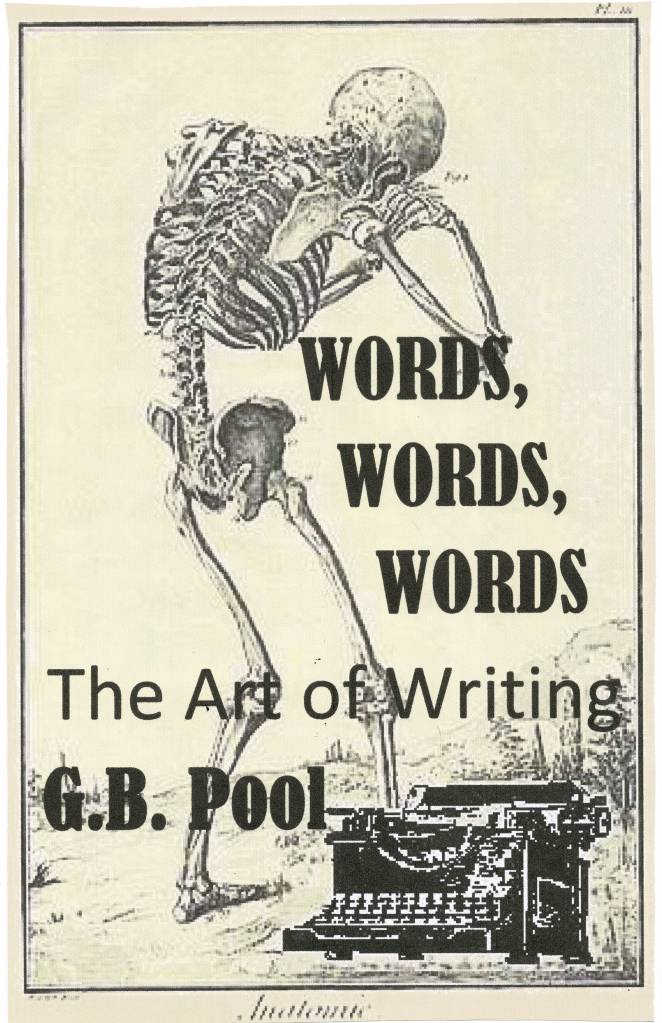
(This article and several others from The Writers-in-Residence blog written by G.B. Pool are in her latest book, Words, Words, Words – The Art of Writing, available on Amazon.)
My apartment smells of burnt candle wick. That’s because the power keeps going out and I’ve been lighting candles everywhere on and off for the past few days. And the power always seems to go out again just as it’s getting dark… Most inconsiderate.
How is that whenever there’s a bit of rain, L.A. comes to a standstill? Drivers go crazy. The local media gets very dramatic. Noah, get out your Ark! They should try living in England, where downpours are the norm, sometimes for days on end, and snatched golden sunny days are relished and worshipped.
So, I’ve been scribbling like mad – with my trusted pencil and yellow pad, in the candlelight, to finish this blog. Research was challenging, as I couldn’t recharge my laptop or phone to get online. But I can still use my dog-eared Oxford English Dictionary given to me by a late and very dear friend, writer Gerry Davis – of Dr. Who, (he created the Cybermen) Doomwatch, Final Countdown fame. I was then a working journalist, so I didn’t consider myself a ‘proper’ writer. He often offered to help me with a novel I was writing at the time. But this foolish, pigheaded girl was too embarrassed to show Gerry her amateur attempts at writing. Boy, do I regret that now!
But I digress.
Writing is, of course, my ‘go to’ thing when things get tough. I write down my thoughts – and solutions. I cheer myself up by writing down affirmations. Of things I want and how I want my life to be. It really does feel good to do this. And I always write, ‘thank you,’ at the end. Because I was brought up to say please and thank you! I write the same wish repeatedly. Pages and pages of the same sentence over and over. (A bit like the schoolteacher telling you write one hundred time, “I must not talk in class”! But more fun!)
In one of my recent decluttering binges I came across a large notebook from several years ago, when I was still pursuing an acting career. Rick and I were struggling financially, so I wrote I Now Have Tons of money. I Now Have Tons of Money. (I tend to capitalize a lot!) Pages and pages of I Now Have Tons of Money.
I had obviously put it aside and moved on to something new. Probably I am now a published author. I am now a published author…
But all these years later, when I discovered those handwritten affirmations, I stopped. And grinned. And remembered. About a year after I’d written those particular repeated affirmations over and over and over, (then forgotten all about them – until their recent discovery) I was cast in one of the leads in a revival of a 1920’s comedy at the local Richmond Shepherd Theatre in Hollywood. Guess what the play was called?
Tons of Money! I kid you not! We had a great run, got terrific reviews, and it led to other bigger roles.
So, I am a firm believer of writing my affirmations each morning. I am just more careful with the wording of my affirmations because I know they worked!
Okay – the power has just come back on again. Now, where was I….
“I write because I want to have more than one life,” Novelist Anne Tyler was quoted as saying. “Writing is our opportunity to peek into other people’s lives,” – or create other lives.
I’ve just started reading “How To Write a Mystery,’ a handbook from the Mystery Writers of America, edited by Lee Childs. Anne Tyler and several of our fellow writers contributed articles.
Our local writer, Naomi Hirahara, has had her first successful novel, The Summer of the Big Bachi published in 2003. It was the first in a series of mysteries about an ageing Japanese-American Gardener, Mas Arai, who became an amateur sleuth. She’s had over 20 more published novels since then and gave a terrific workshop at a recent Writers’ Conference on how her road to publishing success – and the failures along the way.
In this book, she writes about the accidental detective, the amateur sleuth. She says that no other genre reveals more about the writers’ inner life – or their personal life. Especially, new writers create amateur sleuths with a background familiar to the writer- similar to themselves or someone in their lives.
Beth Amos likens the suspense buildup in mystery writing to a roller-coaster: first the build-up, then the exciting plunge, then another build up.
Louise Penny, Charlaine Harris, T. Jefferson Parker, Laurie King, write in this book about “turning your first, raw draft into a clear, compelling story.” Jeffrey Deaver says, ‘Always Outline!’ Catriona McPherson writes about adding the humor.
I’m still thumbing through this thoughtfully produced book, inspired to read the inner workings of such an assortment of writers.
And I still find myself Yak Shaving from time to time. What, you might ask, is ‘Yak Shaving’? It’s from a long-ago blog. Where do I start…? It’s when you find yourself setting out to accomplish one thing, but going off at tangents, taking a circuitous route in order to accomplish your original goal – much later than you had intended. It’s doing something as irrelevant as shaving a yak (don’t ask!), instead of the goal you set out to accomplish.
I think we all find ourselves yak-shaving from time to time – except for those super-human, prolific novelists who churn out novel after novel, without stopping and who never, ever get distracted from their goals! Hmmm. Just how do they do that?
But the rest of us, we may have to do a bit of pencil-sharpening, fridge-defrosting or ironing before we sit back down to write the next page. Ironing is a good distraction because you can watch television while you’re ironing and tell yourself your doing research, watching re-runs of Murder She Wrote. I’ve thought this through, as you can see.
Now – back to writing page 173 – before the power goes out again.


















 The Writers in Residence
You must be logged in to post a comment.