
If you’ve been reading this blog for a while, it won’t come as a surprise to hear how much we at THE WRITERS IN RESIDENCE like, respect and learn from each other. As 2018 draws to a close, I’d like to share with you some highlights from the blog this past year.
Our cycle of posts begins with Madeline, who always opens the discussion of writing with her unique point of view.I nodded in agreement after reading her post on why adjectives and adverbs are okay… “They are what bring the cadence to your ‘voice’, and the musicality to your writing.” I admire the way she paints pictures with words: “…the (plot) cake is mixed and in my mental oven.”
Reading Rosemary’s entries almost feels like I’m reading her diary. Her innermost thoughts on why she writes remind me that the best writing digs below the surface of the subject. “Leading Myself Astray”, on the importance of research, illustrated how she brings historic authenticity to her writing. I especially related to her piece on how endings, even when tragic, can lead to promising new beginnings.
That proved true when a post on naming characters became the last entry from former member Bonnie Schroeder, who decided to leave the blog. However, we welcomed Jill Amadio, whose range and depth of experience has made her a valued addition to the group. Not many of us can begin a sentence with, “Sara Paretsky told me….” I appreciate her insight on the business side of writing, something I tend to overlook.
Speaking of the business side, Linda wrote a thought-provoking post about a subject many of us have, or will, experience as the publishing industry continues to transform. I could relate to the decisions she’s facing with publisher Midnight Ink’s dissolution, a common dilemma for authors.
Gayle’s “What’s in a Name?” confirmed the importance of getting the right name for our characters – it took three tries before my newest one would ‘talk’ to me. I consider Gayle the teacher of the group. Her lessons included how a character’s voice can convey who they are, and how to bring minor characters to life without a lot of exposition. And I still smile when I recall Gayle’s post on Valentine’s Day – part 2 of “How to Open Your Story with a Bang”.
There were several great tips on how to evoke sensory details in Jackie’s post on the subject. Jackie’s work with African children, including mentoring them in writing, exemplifies not only her life’s mission, but our blog’s mission to encourage and support writers. I found her recent post on handing down traditions very meaningful.
I can’t ignore the many excellent guest posts we’ve had. Patricia Smiley’s “The Importance of Setting” would have been an outstanding piece under any circumstance, but it carried special meaning for me. I read it the day before the mass shooting in Thousand Oaks California took place. Whenever these tragic incidents happen I’m horrified and disgusted, but this was different. For many years I lived two blocks from the Borderline Bar, where the shooting occurred.
Sitting 7,500 miles away in Sydney Australia, I watched news footage taken from a sidewalk I’d walked along thousands of times, of a building I’d driven past almost daily for years. I could envision every inch of the route the ambulance would take back to the hospital, the layout of the ER where they’d treat the victims, the waiting room, down to the carpeting, where the victims’ families would be waiting. Having had ‘boots on the ground’ personalized the emotional impact for me. It became a painful reminder of our challenge as writers to incorporate that first-hand realism in our own writing.
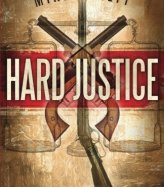
I interviewed author Mike McNeff about his background in law enforcement and the authenticity it brings to his writing. Mike has also pursued courses in the craft of writing and became a certified editor. He generously shares his expertise with other writers, including creative writing students at our local high school.
Hanna Rhys Barnes weighed in with the best pep-talk on writing romance fiction I’ve ever seen, reminding us of how some writers can be disrespectful toward the most popular, best-selling genre of fiction in the English language. As we WINRs have often said, “Writing is writing.”
An excellent post by Paul D. Marks lamented how… “our cultural ties-that-bind are breaking down”, which has made writing more challenging as a new generation seems less aware of the past. I still recall a young writer in my critique group questioning why my child protagonist wandered in the forest for days when she could have used GPS. In 1899. Fortunately, some readers appreciate the past. Sally Carpenter made that point in her “Retro-Cozy” piece, and in “The Story of You”, three memoirists shared their insight and advice with me on the importance of communicating memories of earlier times.
What to do when you lose your publisher or contract became a popular topic (little wonder), on which both Linda and guest blogger Heather Ames reported. And the question of where writers get their ideas has been explored frequently this year. Jackie wrote about it in “Writing A Murder”, Linda in “Inspiration?”, and Madeline in “Stealing and More….”
Did you find one of our posts particularly noteworthy, touching or instructive? Tell us which one. Wondering what the new year has in store for you here at THE WRITERS IN RESIDENCE? Check in with us every Wednesday and find out!
Miko Johnston is the author of the A Petal In The Wind Series, available through Amazon and Barnes and Noble. Miko lives on Whidbey Island in Washington.




You must be logged in to post a comment.