
by Gayle Bartos-Pool
When I was asked to teach a writing course for Sisters-in-Crime/Los Angeles, I decided I better evaluate how I wrote a story first. I write novels and short stories and figured there were similar fundamentals all writers use in both endeavors. Then I remembered the Aristotle course I had taken in college. I still had the textbook, The Poetics, so I dusted it off and read the part on the 5 Basic Elements in any story: Plot, Character, Dialogue, Setting, and The Meaning of the story.
I have covered most of these points in previous blogs, but there is one crucial thing a writer needs to make sure all these elements fit and that is a Timeline. I looked back over the files I had on all the books and stories I had written and lo and behold, I actually made a timeline for just about all of the stories.
What does a Timeline do? It keeps track of Who does What, Where, and When, and sometimes Why. I worked as a newspaper reporter a long time ago and those points were necessary in any article I wrote.
I actually use several methods to achieve these goals. If the story doesn’t cover very much time or utilizes few locals, I write a simple Timeline noting the date and time certain things happen and where the action takes place and who does what each time. If there is a lot of time covered, I use a calendar.
I generally have a basic idea what my story is about before I start putting words on paper. I write the opening (usually about 20 times) until I know where I’m going and the tone I want in the story. Then I jot down the relative time of day each event happens as the story progresses. I break them into no less than 15 minute intervals. Usually it is thirty minutes or by the hour. You can’t have more than 24 hours in any given day, so it keeps you honest and organized.
If my characters are driving around the city, take for instance Los Angeles, I use Google Maps to see how long it takes to get from point A to point B. I’ve seen TV shows where people in L.A. can get someplace in thirty seconds… Only if they use a teleporter. (“Beam me up, Scotty.”) I discipline myself and make my fiction a tad more real.
When I have finished the story, I’ll go back over the Timeline to see if I have crammed too much or too little into that given time frame. And I do something else. I’ll see if the plot holds together. Sometimes a destination doesn’t make sense or maybe some other character should be involved or eliminated. And sometimes I need to add a high point or low point just to give the story movement. I know movies today are all action and explosions and no plot, but I prefer plot and character.
There is another type of timeline I make: A List of Characters. I include their date of birth in case they age throughout the story. You want to make sure you don’t have a character born in 1920 be only fifty in 1990. And you don’t want a character to remember seeing news of the Hindenburg when she was born in 1947. Keep track. I start out with a piece of paper that I print off just for this task. I pencil in the character’s name as I write them. I give a brief description of their role and age. Many times I change the name. I put an alphabet at the bottom of the character page. I circle the first letter of the character’s name in that alphabet. I want each name to fit each particular character, but they can’t all begin the same letter unless I’m having fun.
When I’m finished with the story, I copy all those names and descriptions into the computer and add even more description and start evaluating those characters. Do some need more personality? Does one need to be meaner? Or smarter? Or should a particular character add something to the story that is needed? Or should the character be eliminated? One time I wrote a book knowing who the bad guy (or in this case gal) was going to be, but when I was finished, I had another thought. I bumped off the initial suspect and then my private detective had to go back over the case to see what she missed… or was it time to hang up her .38s and retire? It was by reviewing that list of characters that allowed me to see a “What if?” scenario. And I am glad I did. It made for a much better and far more exciting conclusion to the novel.
And here is another benefit in having that Timeline. It gives you an Outline for your story in case an editor or publisher wants a synopsis of your book. And even better, that quick rundown of the plot lets you see what your story is about so you can more easily write the all important blurb for the back of your book. You only need the first third to tell any reader what is in store. Think of the Timeline as the dry run for that “elevator pitch” you have heard about. The fact that you have consolidated your story into a few pages of a “time-lined” plot; you can easily tell someone what the story is about.
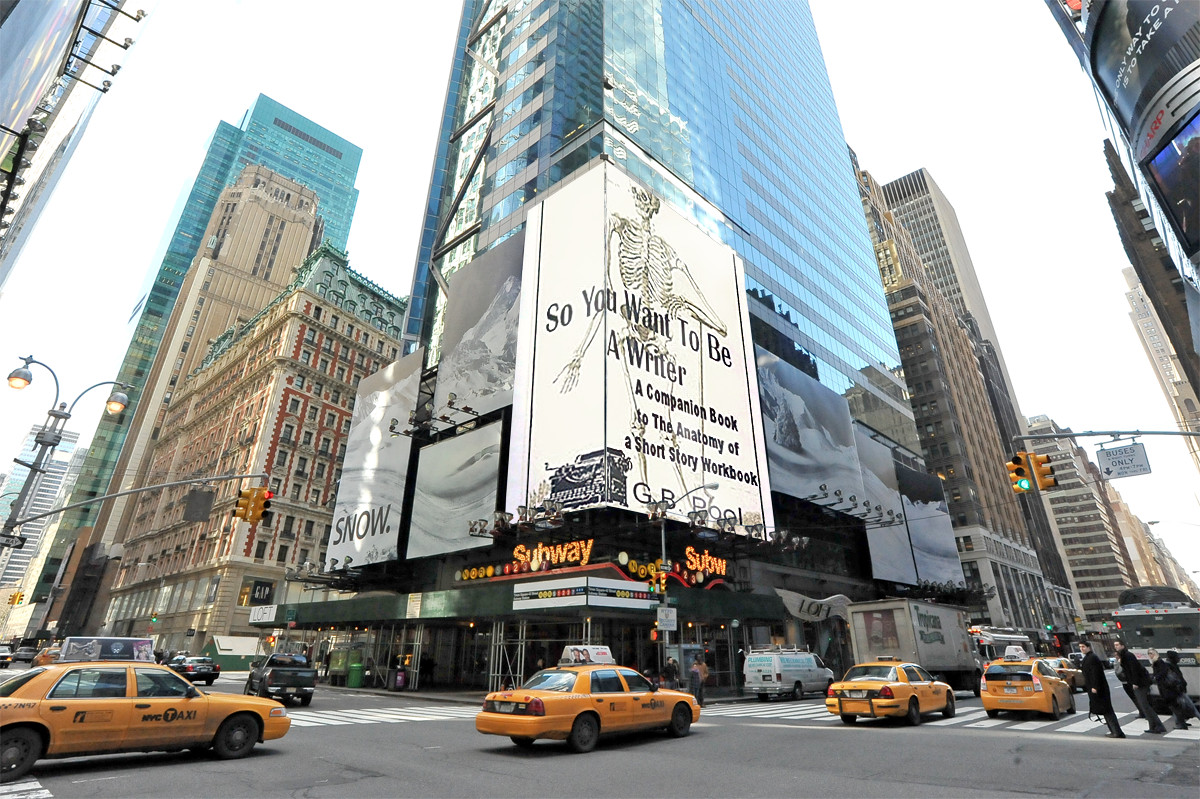
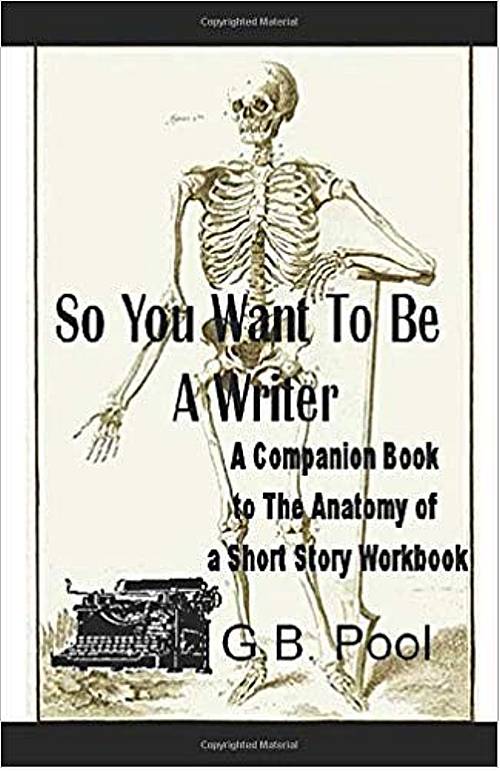
I have put most of my writing course into books: The Anatomy of a Short Story Workbook and its companion book: So You Want to be a Writer. They cover many of the things I have posted on our blog, but as an added bonus, they give you diagrams and pictures of the worksheets I employ. I use them in all my writing. I never create a story without them. Maybe they can help you. Write on!


 People used World War II, the Vietnam War, the Depression, -insert disaster here-, in their work. The memorable stories didn’t dwell on the event itself per se. They used it as a backdrop and then showed how their characters’ personalities dealt with the event.
 As for myself showing up in the books I write, a little of me is here, a little is there, but I actually like to have my characters be themselves. I might like them because we are compatible, but not identical twins. And I definitely don’t want us to be Siamese twins joined forever, never having a life of our own. That wouldn’t be fair to my characters, after all, they are like one’s own children in a way. You might want to instill some values in them, but you really have to let them be themselves. Think of your friends, you like them because you have something in common, but if you try to change them, I bet you won’t have them as friends anymore.

 As you learn new skills, like doing a TV interview, let people know about it on your website. Polish old skills. (You can always improve.) You should have learned a hundred great writing techniques and mistakes to avoid in that writing group you joined. (We can all learn from other’s mistakes as well as our own.)



 During the Covid 19 enforced solitary confinement, my writing methods have changed somewhat. Partly because, after all the Woman’s Club administrative work,
  So now, sitting in my newly arranged office space, with smartly labeled files and clearly focused folders – I can’t find anything. I do a lot of research and have copious folders of notes, print-outs and clippings; now all neatly categorized. Normally, when I sit at my desk in my very small ‘office’ (in reality, a corner of the living room) I can reach my arm out and grab the stack of papers I need. Or reach the other arm out and grab the specific notebook. Everything’s at arms length and very convenient. Except now I have to stop and think “which arm?” “Is it to the left or to the right or behind me? My color-coded files are in upheaval because I have re-arranged them methodically. But my creative mind doesn’t work that way. Now I have to rethink my steps as to why I re-filed things and where my logic was going with the new system.

 After I joined Sisters-in-Crime/Los Angeles, I was asked to join the board. I started out as Speakers Bureau Director. I set up writers’ panels all over the area. I first went through the roster of members, located websites for those members with one, learned what they wrote, and got an idea what types of panels I could offer local libraries based on the types of books these folks wrote. I did cozy panels, Noir, mysteries with a travel theme. 80 panels later, I pretty well know who wrote what.


 Roll up your sleeves and join me as we polish the gems that we are inside.
 So, what do you primarily write?
 So, what is your biggest asset?
 When I first moved to Sunny Southern California in the early Seventies, I decided I should take
 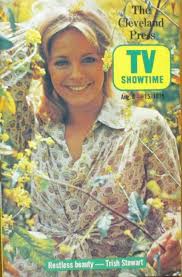 My only claim to fame by that time was playing Girl Number Two in a high school production of Sabrina Fair. I had maybe two lines, but I did get a few laughs when my character had to feign a headache to make another character think that was why me and the Boyfriend, another minor character, were out on the patio getting some fresh air. I guess I did the funny bit of business well enough to get a chuckle from the audience. As for the girl who played Sabrina,
  During the nine months I worked for him, he got me into an acting class. The first class was taught by
  That brings me to the second acting class I took. The talent agent I was working for thought I might like to try another class taught by a couple of guys he admired. The guys were
  I ordered a
  So back to my original point. Karen and I knew our roles. We knew the characters. We did the scene for Guy Stockwell one evening at the acting studio and he liked it, then he asked how well we knew the scene and did we know each other’s part? Yes. Next he said, “Switch roles.” We did. Karen played the fastidious Felicia and I played the ballsy Esther.
 by Gayle Bartos-Pool
 Polishing the Gem


 The Writers in Residence
You must be logged in to post a comment.