
 Jackie Houchin is a Christian writer, book reviewer, and retired photojournalist. She writes articles and reviews on a variety of topics, and occasionally edits manuscripts. She also dabbles in short fiction. “I’m a wife (52 years in Feb/2016), a mom, and a grandma (of adults, sigh!). I enjoy creating Bible craft projects for kids; growing fruits, flowers, and veggies; and traveling to other countries. I also adore cats and kittens and mysteries.” Follow Jackie on Morning Meditations and Here’s How it Happened
What comes to your mind when you think of free writing?
Do you think of finding a word, idea, scene or photo, and putting your pen to paper (or fingers to keyboard) and… writing whatever comes to mind? (I did that once about salt from a photo of a vintage restaurant saltshaker, giving the condiment a personality. It turned out pretty cool, I thought!)
Or does free writing mean penning something “on spec” which is a fancy way of saying that no money is involved. Or, if you are a newbie writer, maybe you volunteer your services for articles, blog posts, interviews, fillers, etc., for experience and to accumulate “clips.”
Freeing Willie
“Free Writing” – that mind-over-matter, staring-into-space writing that begins with a prompt – is often used by writers and novelists who experience writer’s block, as a way to prime the pump. However it happens, once you get your creative juices or muses moving, your other WIP seems to suddenly take on new life. (And no, my muse’s name is not Willie!)
 This kind of free writing invigorates your thought process, sparks ideas that catch fire and burn down forests of paper!! (Sorry, I got a little carried away.)
You don’t have to be “stuck” to make use of free writing. Some writers write from a prompt daily in a journal designated for that purpose. Not only does it kick start their writing, but they archive a huge number of ideas in the process to use later. (See a list of websites at the end that feature prompts for writers.)
Don’t write right
Another method of free writing (I love this one and have recommended it often, but no one ever tries it… or at least has told me they’ve tried it) is to use a left/right brain strategy. (You have to use a pen or pencil for this one.)
Choose a photo, or even an advertisement from a magazine with at least two people in it, and some background. With your dominant hand, write a brief account of what is happening in the scene (other than the obvious ad line). Include background, clothes, colors, expressions, relationship possibilities, etc.
NEXT, switch hands and write about the same scene with your non-dominant hand. I was told that your brain will notice different details and story possibilities from the “other” hand’s POV. I didn’t believe it, but I tried it. I was amazed! I did it again using a painting of a village scene this time and the same thing happened!
Try it. Do. Then email me (or comment below) the results.
Money Ain’t Everything
 The other type of free writing that most wordsmiths don’t like to consider, is writing FOR FREE; not charging a fee, gratis, a lot of work for no pay. Some do it for the experience and to get a name and byline which they can later barter. They think of it as a rite of passage, paying their dues, a necessary evil. (Hey, I love clichés.)
But I bet you’ve done free writing and didn’t even realize it. How about that guest blog? (Okay, you pumped your book.) What about being so wowed by a book you just read, you ran to Amazon or Goodreads and posted a glorious review?
Unless your own blog has a commercial aspect, every post there is virtually free.
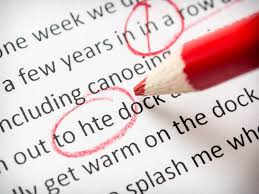 How about volunteering to critique or edit a friend’s manuscript? (I edit papers by seminary students in Africa and it is very gratifying.) Or mentoring a newbie writer? (I’m doing that for a friend who’s attempting her first memoir.) How about writing a note of encouragement to an author who’s just lost her editor or publisher, or gotten a stinky review?
These kind of projects are definitely in the “feel good” category but they are still writing. They are lucrative in a non-monetary way, and sometimes the payoff is astounding.
The Bottom Line
Writers write… however and whenever, for whomever, and for whatever pay. They write. WE write.
So WRITE FREE and see what happens.
Websites with writing prompts: scene setups, situations, words, and photos:
http://www.writersdigest.com/prompts – scenes
http://thinkwritten.com/365-creative-writing-prompts/ – brief suggestions
https://dailypost.files.wordpress.com/2013/12/365-days-of-writing-prompts-1387477491.pdf – each day
http://www.writingforward.com/writing-prompts/creative-writing-prompts/25-creative-writing-prompts – brief ideas
http://writeshop.com/creative-writing-photo-prompts-imagination/ – photos
http://writingexercises.co.uk/random-image-generator.php – very cool! a new photo prompt with each click of your mouse.







 The Writers in Residence
You must be logged in to post a comment.