
Occasionally, we have an open spot on our blog schedule. One of our members suggested we all (or those able) could jump in for a group blog question. Our first was suggested by Miko Johnston.
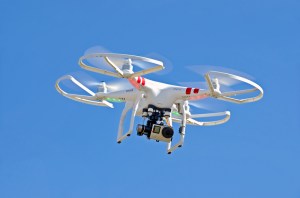 How do you incorporate ever-changing technology in your writing, especially in a series that covers years?
Jackie Houchin — In my short stories, I use the technologies needed in the story’s time and place. I used GPS settings to find a long-buried stash in one mystery set in modern New York. In that story, the dates were firmly set by newspaper clippings. In my missionary kids’ series set in modern but rural Africa, cell service is spotty (indeed, you can’t even be sure of electricity), so I use these technologies but don’t depend on them. Actually, “no cell service” adds to the suspense of the moment when an emergency happens.
#
Gayle Bartos-Pool — If you write stories set in the Roaring Twenties, you might want to include a bunch of things to define that era, like telephone operators connecting you to whomever you are calling or a radio program providing music and some news. There were no televisions or cell phones back then. The automobile was new with the Ford Model T, and assembly lines were just gearing up.
Every era has its newfangled gadgets, but do they have to do more than set the stage in the story? Sometimes, too much detail distracts from the narrative unless there is one particular thing that plays a key role in your story, like the old typewriter with the damaged key and the ransom note with that same twisted letter. That’s been done before in several old movies, but it worked.
But if you are writing a contemporary tale, do you have to rely on the main character’s cell phone on every page? After a while, it gets old to have the characters pull out his or her phones rather than use their eyes and ears to see the problem at hand.
I do like gadgets, but I don’t depend on them totally in my books. My characters will use a computer, but they use their brains more.
#
Miko Johnston — Back in the 1990s, before I started my series of historical novels, I attempted to write a (then) present-day mystery thriller that centered around a secret high-tech device. The problem was that I knew nothing about the subject and figured what I’d made up would ring false with knowledgeable readers, so I put the manuscript aside. Twenty years later, I revisited the story and realized I knew enough about what had been developed back then to finish the story with authenticity.
I do incorporate technology in my modern work as it’s such an integral part of life now. For example, my short story, Senior High, comically follows three older women who travel to Washington, one of the first states to decriminalize marijuana. Although they haven’t “partied” since the seventies, they decide to get high one more time but can’t figure out how until Siri comes to their aid.

 Before we go on to some inspiring quotes from a dozen great mystery writers, here’s a little housekeeping to help you get the most from our blog.
 Those of you who are reading this are most likely writers and readers. And some of you are also techies. You know what you’re doing when you sit down at the computer and write. Well, that part also works for me.


 The Writers in Residence
You must be logged in to post a comment.