
by Miko Johnston
 I wish I could take credit for the title of this post, but the idea came from one of my favorite books on writing, How To Grow A Novel by Sol Stein. So instead, I’ll focus on what I’ve learned from the parallels between gardening and writing.
Know your regional growing zone
Trying to create a desert garden in the Pacific Northwest makes no sense. If you aim to sell what you write, be sure you have, or can create, an audience for it, otherwise write for your own pleasure.
Plant your seeds at the right time
In gardening, as in writing, timing can be everything. When I began working on my Petal in the Wind series in the early 2000s, I found little information about WWI’s eastern front (in English). That changed when the 100th anniversary of that war approached. We’re a year away from significant anniversaries: our nation’s 250th, the 25th of 9/11, and (looking at you, Mad) the 100th of Route 66, any of which should stimulate interest in books inspired by these events.
Know when to use seeds and when to use starts
With my local climate, anything slow-growing, like bushes, tomatoes or delicate herbs, takes too long to grow from seed, so I buy them as starts. Ideas also can be seeds, which require a lot of development, or “starts”, inspired by an existing story. If you like the thrill of seeing a workable idea break through the soil of your imagination, then go with seeds. Otherwise, get a head start with a pre-sprouted concept.
Plant them in the right place
Some plants need protection from the late afternoon sun while others thrive in hot, sunny conditions. Planting the latter in a place that provides some shade for the former benefits both. In writing, that’s called rhythm, which keeps the scenes flowing at a good pace, with moments of intensity/drama relieved by moments of relief/humor.
Nurture your seedlings, then toughen them up
In early March I plant some vegetable seeds indoors and set them on a south-facing windowsill to sprout. By the end of April, I’ll gradually acclimate them outside once the threat of frost has passed. If they don’t die, they go into the garden. I figure if they struggle a bit to survive, they’ll taste better. Do the same with characters; create them and then challenge them. It gives them, well, character.
Sacrifice the weak for the strongest
Thinning out your seedlings allows the remaining plants ample room to thrive, and lessens the competition for water and nourishment. Overloading your story with too many characters or too much (or a too convoluted) plot will starve out the best parts of your manuscript.
Know when to harvest
Whether flowers, fruits or vegetables, some need to be picked at their peak of ripeness, some slightly earlier and left to ripen on your kitchen counter. Leave a plant too long and it bolts or rots. Then all you can hope for is to collect seeds for next year.
A story must be tended and nurtured until it’s “ripe” for picking. Sometimes that means tackling a second draft while it’s fresh in your mind, other times it’s better to let a finished manuscript sit on the shelf awhile. Just don’t let it linger too long, but if you do, take a seed from it and start again.
Like planting a garden, a great pleasure of writing is growing your seedling into a full-fledged idea, nurturing it and watching it take form until it’s complete. The food we grow feeds our bodies, while the stories we grow feeds minds. But stories have one advantage over garden products.
My writers group used to sell our books at the local farmer’s market. We’d always remind shoppers that unlike the berries, tomatoes and lettuces they’d purchased, our products wouldn’t rot if left in a hot car awhile (insert laughter here).
***
Miko Johnston, a founding member of The Writers in Residence, is the author of the historical fiction series, “A Petal in the Wind”. Her fifth and final book in the series is about to be published. She’s also a contributor to several anthologies, including the bestselling “Whidbey Island: An Insider’s Guide”. Miko lives in Washington (the big one) with her rocket scientist husband. Contact her at mikojohnstonauthor@gmail.com


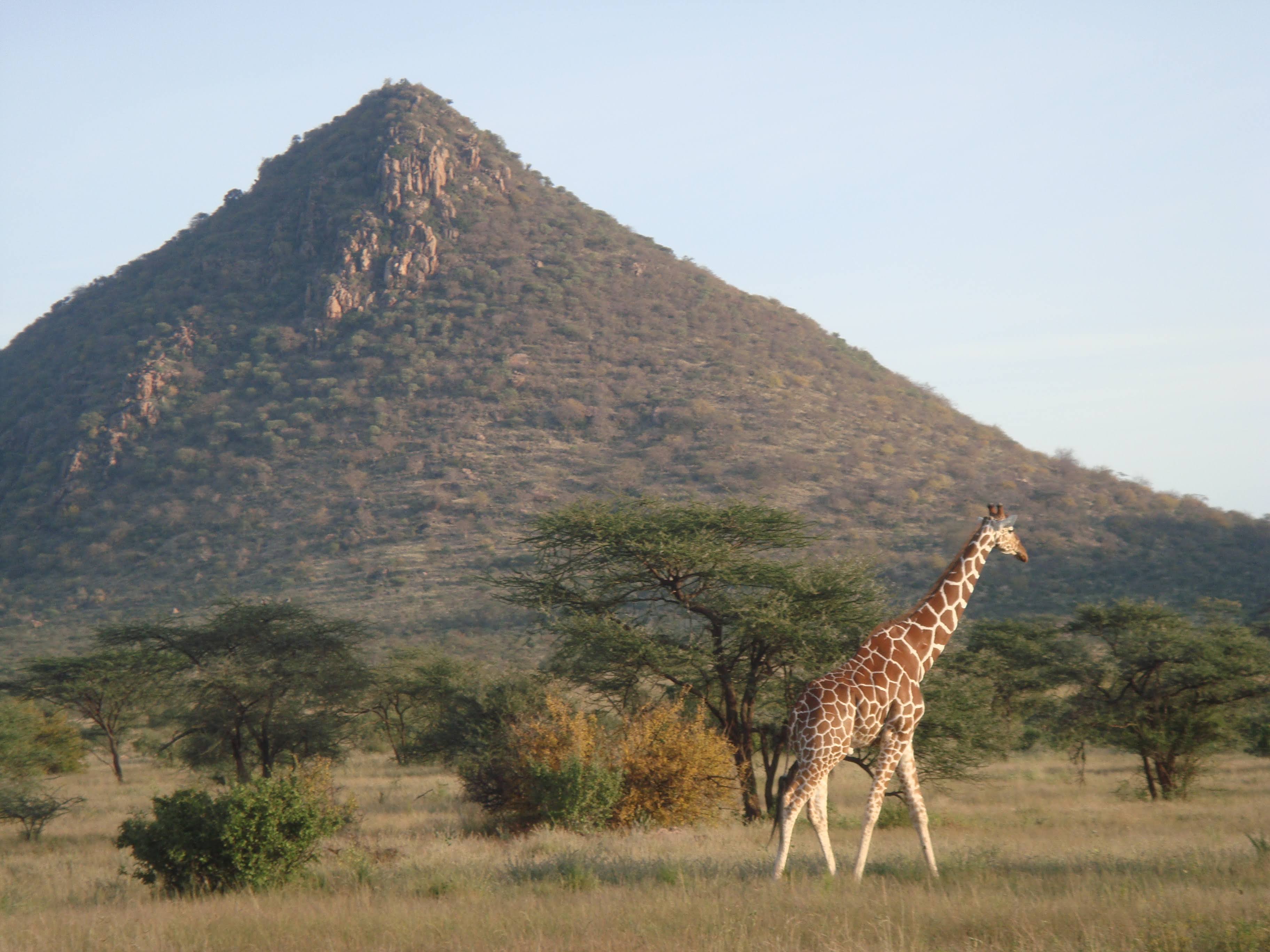 In Africa, the first priority is to survive and so each day, and certainly every birthday, is celebrated. After that come friendships and community and, of course, enjoying the glorious sunshine, fantastic scenery and amazing wildlife that Kenya is famous for.
 In my books I’ve used actual locations, such as Dormans, a town centre coffee shop and a hub of gossip, and the relaxed garden location of Cape Chestnut restaurant. Other places, such as the Mount Kenya Resort and Spa, are recognisable as being based on real settings which I’ve altered to suit my stories.
 A sense of place is important to me and my writing. Has a certain smell or the call of a bird transported you back to a memorable location? I try to convey the smells, sounds and sights of the individual settings and it does help that I’ve visited most of them. And if I haven’t, as P.D. James said, I can use snippets of other places that I have stored up to successfully create them.
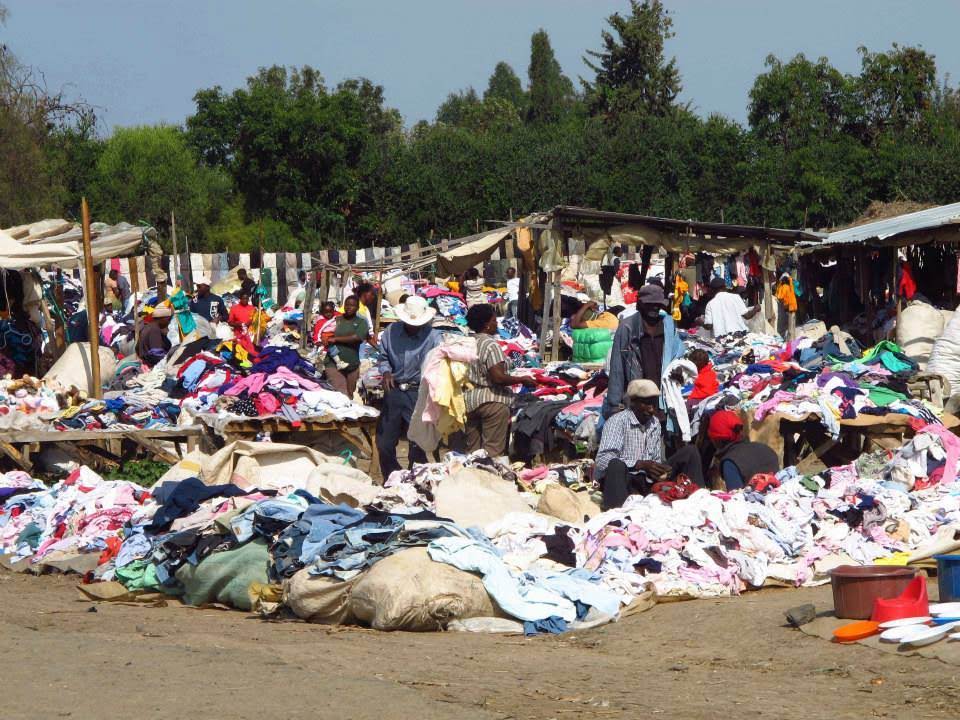 Two raggedly dressed, and shoeless, children tentatively approached our car holding out their hands in a begging gesture. I remembered two squares of jam sandwich which my boys hadn’t eaten. I handed the pieces to the children expecting them to stuff them into their mouths, but instead they just stood and waited. Slowly they were joined by a group of similarly attired children, and those who had the sandwiches carefully divided them up until every child had a small morsel to eat.
  Rhino Charge, my third book, has many Kenyan Indian characters. It evolves around events at a 4×4 vehicle off-road event which is popular amongst the Kenyan Indian community. Whilst I had Indian friends, I wasn’t aware of how, or why, their ancestors had settled in Kenya. Researching this aspect of the Kenyan culture was fascinating. I learnt that Indians came to Kenya with the British and supported the creation of the East African Protectorate, which became Kenya, as clerks, accountants and police officers.
 When I can finally move freely around Sarajevo, and Bosnia and Herzegovina, I will begin researching for a future series. I’ve already discovered that everyone here has a story to tell from the devastating war and various sieges, including the longest in modern history in Sarajevo. As I search for potential locations, characters and stories my attention will be more focused as I learn to observe and record even the smallest incidents. Who knows what snippets will make into future books.
 I have been using a planner since the early 1990s and before when I was in real estate. It was a simple spiral 5×7 notebook. It worked for me until I was introduced to the Franklin Covey Planner when I was a paralegal working for Honda North America. The company was paying for the planners, and everyone was encouraged to use the Franklin system. I did and loved it. I continued to use the Franklin program even when I changed employers.
 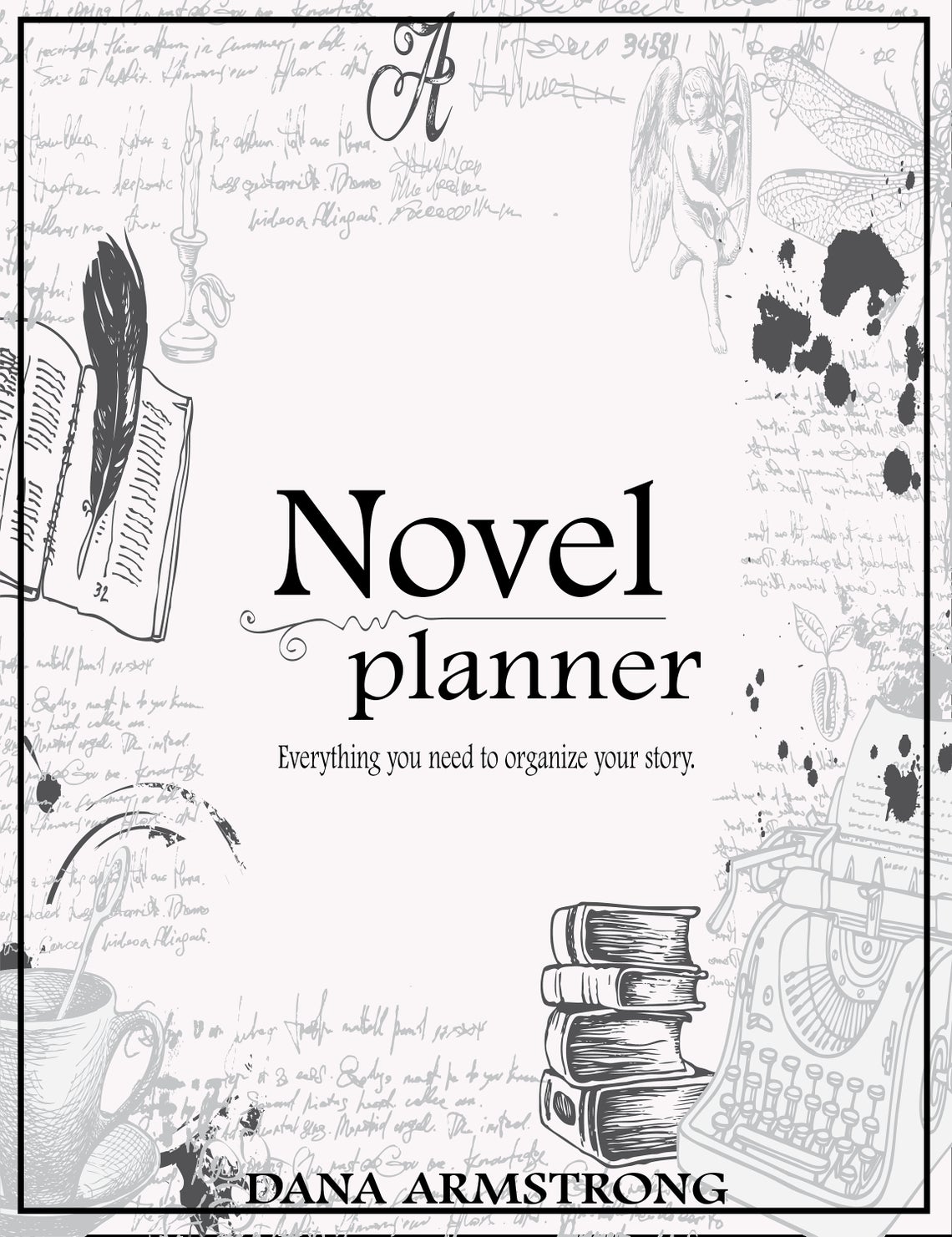 However, I am still in search of the perfect writer’s planner. I have immersed myself into planning groups and become friends with other authors who use planners. Surprisingly a number of them use a combination of planners. I was surprised to learn that my author friends had incorporated several different ones depending on what they needed to track to organize their busy lives. They will use an individual planner for personal, family, and writing.
  I have used a Panda Planner, Amplify, Commit30, Happy Planner, Erin Condren, Define Your Day, Full Focus, and All in One Planner by the Ivory Paper Company.
 The Writers in Residence
You must be logged in to post a comment.