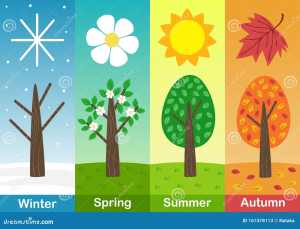
Jackie Houchin — I like setting stories in the Fall. There are all those warm colors, of course, like red, gold, rust, brown, and even olive. I can (at least in Southern California) have my characters wear any style of clothes, from shorts, a tee-shirt, and sandals to jeans, boots, a jacket, and a hat. Hot Santa Ana winds blow. Nights come sooner. Dried leaves crunch and reveal secrets, but also hide things. Bare branches look spooky. And there is an urgency to action (before the frost comes). Also, Autumn characters can be older, wiser (or more foolish), and willing to make one last effort.
I wrote a short story titled Autumn Gold set in Central Park & San Francisco, in the Fall. It won 4th and was published in an online magazine. Autumn Gold
Rosemary Lord — I grew up with the cold and wet of England’s summers, longing for just a few days of no rain and some sun. So I am happiest writing about sunny summers, endless days of sun, and light evenings. I guess I just feel better writing about warm or hot places! I shut down when it’s too cold.
In Lottie Topaz and the Flicker Murders, I have also used the extreme heat of Hollywood in the 1920s, and I loved creating that atmosphere.
During the cold weather of most of my English childhood, I would hibernate, so that does not feel at all creative. My dad was in the Royal Navy, so we lived on the Mediterranean island of Malta for a while when I was tiny. It was blissfully sunny and hot. We had grapes growing in the garden, and spent days on the beach. Moving to Hollywood, California, I found a similar climate. So I stayed!
Gayle Bartos-Pool — A Little Seasoning to Your Story
As writers, we can add characters, dialogue, and settings to the plot, but how about a particular season? Maybe you have a favorite one.
Having lived in California for decades, I got used to no seasons at all, but here in Ohio, boy, do we have four distinctive times of the year. And they can be a great background or even part of the plot. A snowstorm in winter or a beautiful autumn when leaves really do change color, or a spring when buds start to pop after one of those long winters, can be just what the characters need to tell their story.
I never thought about writing an entire book in a particular season, but I have used a rainy day or snow as a background in a short story. At least that’s a start.
Miko Johnston — I don’t have a favorite season to write about. Instead, I incorporate aspects of the seasons into my writing for atmosphere (no pun intended) – the frigid winds of winter, the springtime beauty of cherry trees in bloom, summer heat shimmering over the pavement, a bird of prey’s last hunt before migrating in autumn. Each change of season creates a natural transition in time.
I also use the seasons as a metaphor. By pairing or contrasting them to the emotional upheavals my characters must endure, I can enliven the story with vivid imagery or negative space (see
this post).
Maggie King — My stories are set in all seasons, my favorite being autumn. I love walking under trees ablaze with the reds, golds, and oranges of the season, hearing the sound of leaves crunching under my feet, pulling my jacket tightly against the chill in the air as temperatures drop. The earthy smell of decomposing leaves and burning wood from fireplaces evoke memories from childhood—sipping apple cider, coming home to the heavenly aroma of my mother’s beef stew, celebrating Halloween and Thanksgiving.
My novels Death Turns the Page and Laughing Can Kill You are set in autumn, as is a short story I’m currently writing.
>>


 The Writers in Residence
You must be logged in to post a comment.