
by Jill Amadio
Invited to give as class on How to Write Your Memoir at the Westport, CT senior center, I agreed, somewhat reluctantly. It would be six 1-hour sessions and limited to 10 people. I almost wrote ‘students’ which, I suppose, they are, but somehow the idea of a group of elderlies didn’t seem to fit.
Having written what I now regard as a rather staggering number of biographies and autobiographies when I pulled all 18 of them from my bookshelves to show the class and let them know I felt confident to consider myself qualified to a certain extent, I realized that no matter how young or old such students would be, I had over the years accumulated the knowledge and experience to write and be published. Thus I would share my insights as an instructor. Of course, six hours is a laughably insufficient time to teach someone how to write their life story but I decided that covering the basics could start them on their journey.
All but six of my books were ghostwritten. The remainder were authored by me or co-authored – often a surprise as my contracts specifically identified me as the ghostwriter and thus hidden and forbidden to reveal who actually wrote the story. I am usually mentioned at the end of the ‘author’s’ Acknowledgements page, with a simple ‘Thank you to Jill Amadio.’ I am still waiting for a client to add – ‘for writing my book for me.’
One traditional publisher insister I be listed as co-author, much to the chagrin of the client’s boyfriend, and a UK publisher graced another book with my name as co-author without asking my permission. Quibble? Ha! It was a delightful surprise which earned me author talks at area locations including to a large group of auto racing drivers and vintage car collectors.
However, this first teaching gig to seniors gave me a few pre-class jitters. Would I have to speak very loudly if they were hard of hearing? Would they be able to read the handouts, meaning I’d probably have to print them in 18-point font? Would they find me boring and self-serving by passing around my hoard of books to establish my credentials?
I need not have worried. The first class was a group of extremely enthusiastic six women and two gentlemen who sat at our conference table with pens and pads ready to jot down my golden advice. I’d created a syllabus, and explained the subject matter each of the six sessions would cover. I also told everyone that they could interrupt me at any time with questions. I thought that if they held their questions until afterwards they might forget them.
All went well and I was bombarded with queries about all aspects of writing, not just memoirs. By the way, I had decided to lump the telling of life stories under the term ‘memoir’ because these days it appears to include biographies and autobiographies, and to my mind has a more important ring to it. Time was when ‘memoir’ meant a telling of a slice of one’s life, a particular incident, but these days many media outlets, for example, have called Prince Harry’s whiny-fest book, ‘Spare,’ by that description (whiny-fest is my own opinion)
My only admonition to the class was that they should not give in to temptation and use their book as a bludgeon against relatives, friends, employers, or others who have, perhaps, wronged the writer at one time or another. I hope they will remember this advice from Omar Khayyam’s poem, “The moving finger writes, and having writ, moves on. Nor all your piety nor wit shall lure it back to cancel half a line, nor all your tears wash out a word of it.”
As I prepare for my second class, next week, I will explain that bringing in several elements of mystery writing can lift a life story by adding tension and suspense, to name a few. Settings and characters can be enhanced with the addition of the writer’s detailed emotions, feelings, and personal point of view. I had told the class about the rhythm of writing and the very next day there was Tammy Walker’s excellent post on our site!
While researching my subject I came across a marvelous list of more than a hundred descriptive verbs. Using them is a great way to bring a scene alive – as we do in our mystery and thriller writing.
Interestingly, as a final note, there was a general consensus from the class when I announced there would be no prompts to be written. Many writing classes include a prompt at each class, whereby students are given a subject, a phrase, or a sentence, and must write a page around it. To my mind, this is a waste of time that can be better employed writing your book. Everyone agreed with me! However, I do encourage journaling as one way to loosen up that creative s spirit.
Do any of my fellow Writers in Residence have any relevant tips?
##
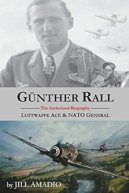


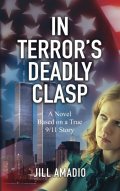
A few of Jill Amadio’s ghostwritten biographies.

 The Writers in Residence
As I have said many times: Everybody has a story to tell. I encourage folks to write their memoirs/autobiography just so they know who they are and as a bonus they can let family and friends know that story as well. I wrote my autobio last year. It only took 75 years to write, but I have an interesting life, but so do other people whether they lived in the same town all their life or moved around like I did with my dad in the Air Force. How a person writes that story will be how they feel themselves. Many people are actually great story tellers and they should write their book so others and see what life is like from someone else’s perspective. Maybe then they will think about writing one of their own. Have fun teaching that class.
LikeLike
Miko here. I’ve known people who, in theory, have led interesting lives, but their meaningless babble, pedantic descriptions, or overgrown egos make them dull. Others have led seemingly mundane lives but their ability to enliven the simplest details makes them spellbinding. We all have a story to tell, as Gail points out, and I’m pleased to say that after some encouragement from a fellow writer, I’ve found mine. Stay tuned….
LikeLiked by 2 people
Jill, I’m glad your “students” (yes, it’s an appropriate word) dispelled the prevailing myths about seniors. I belong to the Lifelong Learning Institute and find most of the participants youthful and bright. I especially enjoyed teaching my dialogue course there. As for writing a memoir—I’m not at that point, but I do incorporate my experience in my writing. Looking forward to Miko’s memoir! As for prompts, I personally loathe them, but do recognize their value. This is Maggie, in case I end up as Anonymous again.
LikeLiked by 1 person
How true, Miko. Thanks for the comments and good luck with your own story. By the way, today is National Fossil Month!
LikeLiked by 1 person
I did just celebrate another birthday, but I won’t take the fossil comment personally (; – )
LikeLike
Very interesting post, Jill, and especially given your experience, and my tendency would for sure going through all the perceived grievances i had, and not tell an interesting story.
I also think you’re lucky in that you have seniors interested in writing! Not interested at my senior’s, and I think there are some interesting “settler” tales to be told.
Thanks for your post. (and sorry, no “tips”)
PS this is Madeline if it doesn’t come up…
LikeLike
Thanks, Madeline. It is an interesting new slant for me – even though I am a senior – although one student in his 80s confessed writing his memoir would be too painful. I urged him to write about happier times. He replied there weren’t any. I said, maybe it would be therapy. No response. I know it can be painful to drag up old times but by our ages we have a different perspective. Or not.
LikeLike
Sounds like you’re not only a wonderful writer, Jill, but also a wonderful teacher! And I do wonder how seniors would do writing their own autobiographies, when their memories may not be as sharp as when they were younger. Maybe I should try it sometime!
LikeLiked by 1 person
Good job and good idea, Jill. Even if none of them begins and finishes a memoir, you have made them laugh, feel good, and been entertained. And challenged, as for that depressed gent. As you read our “goal” under our logo at the very top of this page, what it says is exactually what you are doing. That’s great. And even if they only write a couple pages of one memory and share it with each other or family members, that’s an accomplishment. Thanks for letting us in on your new thing. And maybe i a later post you could share what they wrote, or at least antidotes in the process.
LikeLike
That’s ANECDOTES!!!
LikeLike
Oh Jill!!! What a brilliant post. I hope your “students” realize just how lucky they are to have someone of your expertise and excellent calibre to guide them on their journey. You were right to remind them not to use the opportunity to air a few grievances – that’s where writing fiction comes in – it’s easier to hide behind that. I’m interested in how the course goes and how many of your enthusiastic participants go on to complete their memoirs. I hope you keep WiR posted. (Or at least send me an email please!!)
LikeLiked by 1 person
Hi Hannah – what a great reaction from you and everyone else. Blows my mind, I had no idea it would bring such a response. I’ve been invited now to externd the class to 8 sessions and to do another course in January. It has to have a somewhat different name so I am calling it How to Write/Rewrite Your Memoir, So far my current students say they will sign up again, which boosts the budget!!!
LikeLike
Jill – Rosemary here! What an interesting experience! And my own far-too-long experience caring for seniors, especially those with dementia, is that they can remember details and stories from years and years ago. It’s today they can’t remember. What happened yesterday. Have they had lunch, or where they put something! So I have often heard fascinating stories from my late mother-in-law and a my late friend and neighbor, whom I looked after. I often wish I had asked my mum and dad about so many things that now interest me.
So you might find some intriguing snippets to use in your next book. But they are really lucky to have you guiding them. I know you’ll really brighten their li
ves and give them something to look forward to. If they don’t know where to start – ask them to talk about the first birthday they remember, or their favorite aunt or uncle. That usually gets them talking – and it’s sometimes tough to stop them! Have fun!
LikeLiked by 1 person
Linda, thanks for the compliments – my first memoir class was on gathering their tools, such as photos, letters, documents, etc. etc. to trigger memories. It can work!
LikeLike
Rosemary, thanks for your message. I, too, wish I had asked my mum more about her background, although I love that our mothers were dancers with the same company. Madame Walker’s, in the UK – what a great connection you and I have. The seniors says that my suggestion they gather tools to trigger memories is bearing fruit, and to begin their book with a dramatic incident.
Cheers,
jill
LikeLike
For some inexplicable reason – AI? – my replies to those of our group kind and patient enough to comment on my Memoir piece have been posted higglety-pigglety and somewhat out of order, so I hope you’ll figure it them out. Thanks, everyone.
LikeLike